
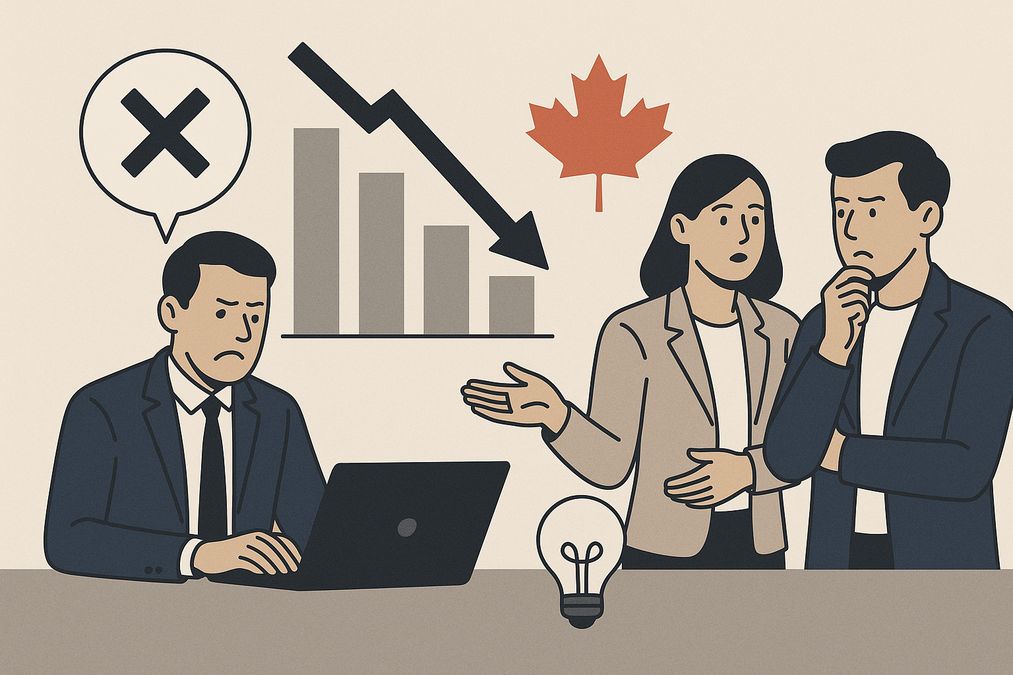
Launching a new venture in Toronto, or scaling your small business, is filled with excitement and challenges. For many Canadian entrepreneurs, much emphasis is placed on landing those coveted first customers. It feels like validation: If people buy, then surely your idea is solid, right?
However, in 2026, seasoned startup advisors recognize a surprising truth: sometimes, your first customers aren’t your best customers. In fact, having the “wrong” first customers can provide valuable lessons that help propel your Toronto-based business to success. This guide demystifies how wrong first customers help startups in Canada, offers real-world insights, and shares practical strategies for founders at every stage.
Why Your First Customers Might Be the “Wrong” Ones
Many aspiring entrepreneurs in Toronto chase early revenue, believing that any customer is a good customer. But the reality is more complex. The first buyers of your product or service often don’t reflect the broader market you’re hoping to capture. Here’s why:
- Early adopters are not always repeatable: They may purchase out of curiosity or a unique, niche need that doesn’t represent your eventual mainstream audience.
- Bargain hunters are drawn to deals: Launch discounts and beta versions often attract those motivated by price, not value.
- Personal connections cloud feedback: Family and friends might support you out of loyalty rather than true interest in your offering.
- Mismatched expectations: Early feedback can sometimes push your business in a direction that isn’t sustainable for long-term growth.
Understanding how wrong first customers help startups in Canada isn’t about dismissing those initial users; it’s about learning from them to build stronger, more resilient businesses.
Lessons Toronto Startups Can Learn from Early “Wrong” Customers
What if the “wrong” first customers are actually a blessing in disguise? Here’s how to leverage their feedback and behaviors for business growth:
1. Identify Product-Market Fit
The pursuit of product-market fit is central for every startup. Early customers can help you:
- Spot mismatches between what your product offers and what the market truly needs
- Uncover unexpected use cases or niches
- Validate or refute initial assumptions in the real world
By studying complaints, questions, and suggestions from initial buyers, Toronto entrepreneurs can iteratively improve their offering.
2. Strengthen Your Value Proposition
Negative or lukewarm feedback isn’t failure—it’s data. What features do customers ignore? Where do they become confused? These clues enable you to refine your messaging so it genuinely resonates with your target Toronto audience.
3. Develop Robust Customer Profiles
Every “wrong” customer helps clarify who your ideal customer is not. Use early sales data to:
- Highlight preferred customer segments
- Identify sectors or demographics to avoid focusing on
- Craft detailed buyer personas based on empirical evidence
4. Stress-Test Your Systems
Toronto startups often discover operational gaps through demanding or mismatched first customers. Are your onboarding processes smooth? Is your support responsive enough? These early hiccups prepare you for the volume and diversity of future customers.
5. Prepare for Pivot or Perseverance
Perhaps your product solves a problem for a different group than you imagined, or you spot adjacent opportunities. Use early lessons to make informed pivots—sometimes leading to breakthrough success stories.
The Common Pitfalls of Listening Too Closely to Wrong First Customers
While feedback is invaluable, Toronto startups should exercise caution:
- Over-customizing: Avoid building hyper-specific features for one vocal user.
- Chasing outliers: Not all complaints require a fix—sometimes, the customer simply isn’t a good fit.
- Losing focus: Stay true to your core vision and avoid diluting your offering trying to please everyone.
Remember: customer-centric doesn’t mean customer-obsessed. Prioritize the feedback that aligns with your business mission and target market in Canada.
How to Learn from Your First Customers—Even If They’re “Wrong”
Make each early interaction a learning opportunity. Here’s how Toronto entrepreneurs can extract value and optimize for future growth:
1. Run Structured Customer Interviews
Document experiences, pain points, and outcomes systematically. Use consistent questions to identify trends, not just individual stories.
2. Track and Analyze Feedback
Centralize feedback using CRM tools, spreadsheets, or platforms recommended by ecosystem players like ABC of Business. Look for patterns over time.
3. Segment and Prioritize
Separate feedback by customer type (early adopter vs. mainstream; personal connection vs. organic lead). Focus on the segments that match your long-term strategy.
4. Share with Your Team
Invite honest discussions with co-founders and advisors, leveraging training and workshops from organizations such as ABC of Business for collective insights.
5. Iterate Quickly
Test changes with mini-launches, pilot programs, and A/B experiments, adjusting as you gain real-world traction in Toronto’s vibrant market.
Real-World Examples: How Wrong First Customers Help Startups in Canada
Let’s look at hypothetical examples inspired by actual Toronto startup journeys in 2026:
- EdTech Startup: Launched by targeting a small group of university instructors, only to find their main product resonated better with professional training organizations. Pivots based on early mismatched feedback led them to become an industry leader.
- Food Delivery App: Early users liked discounts but didn’t turn into loyal customers. By shifting focus to busy professionals needing reliable lunch options, the app saw long-term growth and reduced churn rates.
- Hardware Innovator: Initial buyers were hobbyists who demanded advanced features. Eventually, the company realized that small Toronto manufacturers valued simplicity, reliability, and scalability—leading to new success.
Startups That Listened—to Their Own Data
Successful Canadian startups balance listening with analysis. They value feedback, but they focus more on what actually drives retention and growth down the road.
Why This Matters for Toronto’s Entrepreneurial Ecosystem in 2026
Toronto, as Canada’s leading hub for innovation and small business development, has unique dynamics in 2026:
- A diverse population means your first buyers might not represent the majority
- Access to global talent and funding increases the speed at which you must adapt
- Vibrant business networks, such as ABC of Business, offer workshops, mentorship, and practical resources for making sense of conflicting feedback
By embracing mistakes and mis-matches, Toronto entrepreneurs can turn initial setbacks into strategic advantages in their industries.
Modern Tools and Services for Startup Learning in 2026
To help you capitalize on early customer feedback, utilize tools and resources such as:
- ABC of Business: Training, workshops, and up-to-date information for new and growing Toronto businesses
- Customer Relationship Management (CRM) platforms: Keep all feedback and interactions organized
- Survey and analytics tools: Quickly gather and interpret input at scale
- Mentorship communities: Learn from others’ mistakes—join local Toronto and national groups
For more on how smart planning sets up your startup for feedback-driven development, consider exploring modern business planning techniques for startups in Canada.
How Feedback Shapes the Lifespan of Canadian Businesses
An often-cited concern for founders is business longevity: how long do startups survive in Canada, and what makes them thrive? Data suggests most startups need to pivot, adapt, and redefine their customer profiles several times in their first few years.
- Learning from misfires early: The faster you extract insights from early mistakes, the greater your odds of surviving the ever-changing Toronto market.
- Systems for continuous improvement: Established businesses keep evolving their products and processes through ongoing feedback cycles.
To dive deeper into startup survival trends and actionable advice, read How Long Do Small Businesses Last in Canada? 2026 Guide.
Fast Facts: What Toronto Entrepreneurs Need to Remember
- Your first customers are part of your learning journey, not the final word on your value.
- Don’t panic over negative feedback—analyze it for recurring patterns and deeper truths.
- Network with other entrepreneurs and tap into the support systems Toronto has to offer.
- View each “wrong” customer as a stepping stone towards business clarity and sustainable growth.
Turning Missteps into Momentum: Startup Mindset for 2026
Toronto’s business landscape in 2026 rewards adaptability, humility, and speed of learning. The most successful startups and early-stage companies make decisions based on a combination of data, customer inputs, and strategic focus on their long-term vision.
- Don’t become overly reactive to every single feedback point.
- Use techniques like customer segmentation, Lean Startup Principles, and business model innovation to separate noise from actionable insights.
- Lean on organizations such as ABC of Business for guidance, training, and community support as you evolve.
For additional perspectives on overcoming the “wrong” customer conundrum, see Why First 100 Customers Might Be Wrong: Toronto Startup Insights 2026.
Conclusion: Building for the Long Haul in Toronto’s Entrepreneurial Ecosystem
The story of how wrong first customers help startups in Canada isn’t about glorifying setbacks—it’s about recognizing the opportunity within them. Toronto has always been a city of reinvention, innovation, and growth. By viewing early misfires as essential feedback, you position your business for success in a competitive 2026 landscape.
Ready to accelerate your growth, learn from your first customers, and join Toronto’s thriving entrepreneurial community? Contact ABC of Business today for personalized training, workshops, and resources for Toronto startups and small businesses. Embrace the lessons of your early customers and turn every experience into lasting business success.