
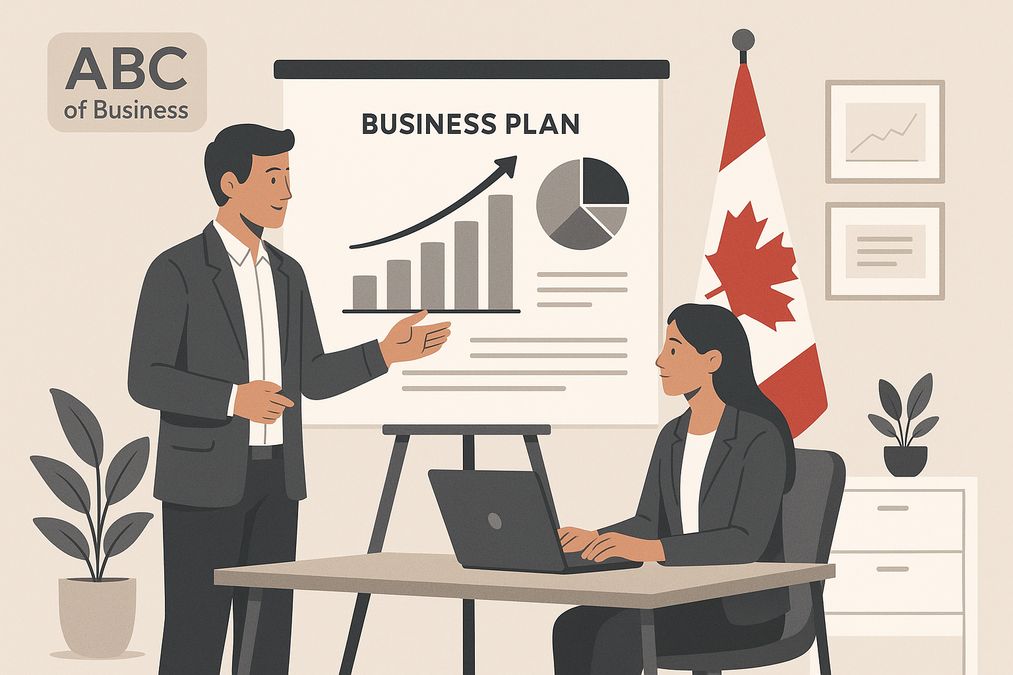
Introduction: Why Modern Business Planning Matters for Startups in Canada
Toronto and much of Canada is thriving with new business opportunities in 2026. Yet, with increased competition and changing customer expectations, startups and small businesses need more than just a great idea to succeed. Modern business planning techniques for startups Canada are now essential—helping you move beyond simple business plans to dynamic strategies that guide every stage of growth. Whether you’re launching a new venture or looking to expand, this guide breaks down the latest approaches suited for Toronto’s energetic environment.
Understanding the Modern Startup Landscape in Canada
The Canadian startup scene, particularly in Toronto, continues to attract entrepreneurs from around the world. This vibrant ecosystem provides ample resources, but also unique challenges around funding, competition, technology adoption, and regulation. To thrive, you must understand the current trends shaping startups, including:
- Rapid digital transformation and tech adoption
- A shift towards lean startups and agile management
- Strong emphasis on sustainability and social responsibility
- Access to local and international markets
- A focus on customer-centric solutions
Learning and applying modern business planning techniques for startups Canada ensures you remain competitive and adaptable in this ever-evolving market.
What Are Modern Business Planning Techniques?
Traditional business plans are lengthy documents created at launch and rarely updated. Modern business planning, on the other hand, is strategic, iterative, and built for agility. These techniques allow startups to adapt quickly, leverage data, and seize new opportunities with fewer resources. The most successful Toronto entrepreneurs now use these methods to:
- Turn ideas into action quickly (lean startup approach)
- Reduce risk and validate assumptions before heavy investment
- Continuously improve through feedback and analytics
- Collaborate and communicate effectively within small teams
Key Elements of Modern Business Planning for Startups Canada
Applying successful modern planning in 2026 means focusing on several core areas:
1. Lean Startup Methodology
Popularized by Eric Ries, the lean startup framework is built on the “build-measure-learn” loop. Instead of spending months developing an untested product, Toronto startups are launching minimum viable products (MVPs), measuring customer response quickly, and iterating based on data. This approach saves money and time while reducing risk by validating assumptions early on.
2. Business Model Canvas
The Business Model Canvas is a one-page strategic tool replacing traditional plans. It helps you map out your:
- Value proposition
- Customer segments
- Channels
- Customer relationships
- Revenue streams
- Key activities, resources, and partnerships
- Cost structure
This visual approach makes it easy to modify your strategy as your Toronto startup grows.
3. Agile Planning and Execution
Borrowed from tech projects, agile planning welcomes change, short cycles (“sprints”), quick customer feedback, and high team engagement. Applied to startups, it means being open to pivots, tracking your progress weekly, and learning from every experiment.
4. Data-Driven Decision Making
With so many tools available in 2026, Toronto entrepreneurs can make decisions armed with hard data, not just gut instinct. Monitor metrics like website visits, conversion rates, customer acquisition costs, and use these insights to pivot your business faster.
5. Customer Development
Instead of building a product in isolation, talk to real customers in Toronto. Find out their actual problems and create direct feedback loops using surveys, interviews, and social media.
How to Use Modern Business Planning Techniques for Your Toronto Startup
Step 1: Validate Your Business Idea
Before writing a full plan, Toronto entrepreneurs should start by validating their business idea with potential customers. Use surveys, a simple landing page, or an MVP. This will limit waste and provide real insight into whether your offering meets a local need.
Step 2: Map Your Business Model
Fill out a Business Model Canvas for your idea. Ensure it includes how you plan to deliver value to customers in the Greater Toronto Area (GTA). Map things visually with sticky notes or digital canvases to make updates easy as you learn.
Step 3: Create an Actionable Lean Plan
Your business plan should be living. Outline short-term milestones for the first 3-6 months and plan for weekly reviews. Set measurable goals—whether it’s “sign 10 customers by July” or “launch our product for under $10,000.” Revise as you move forward.
Step 4: Build and Test Quickly
Toronto’s fast-moving environment rewards speed. Launch your MVP, collect feedback as soon as possible, and adjust. The key idea is to learn directly from your customers—so you’re always developing what they actually want.
Step 5: Prioritize Data and Feedback
Set up tracking for important metrics like sales, website engagement, and customer satisfaction. Use these insights to refine both your product and your business plan. Don’t be afraid to pivot if the data says it’s time.
Step 6: Engage Your Team and Connect with Ecosystem Resources
Modern business planning also means tapping into the supportive Toronto entrepreneurial community. Attend workshops with organizations like ABC of Business, seek mentorship, and make use of incubators, coworking spaces, and government programs. These connections and regular feedback will accelerate your growth.
Top Tools and Resources for Modern Startups in Canada (2026)
- ABC of Business – Offers essential training, workshops, and free information to help new Toronto entrepreneurs develop modern business skills, connect with mentors, and stay current on the latest trends.
- Business Model Canvas tools (online and printable templates)
- Survey platforms (e.g., Typeform, Google Forms)
- Project management software for agile teams (e.g., Trello, Asana, Jira)
- Data analytics tools (e.g., Google Analytics, Mixpanel, Tableau)
- Government resources (Startup Canada, Futurpreneur, City of Toronto business services)
- Incubators and accelerators in Toronto (e.g., MaRS Discovery District, DMZ at Ryerson)
Always look for resources and support systems rooted in your city. Toronto offers one of the most robust networks in Canada for modern entrepreneurs. ABC of Business stands out for practical, actionable support at every stage.
Case Studies: Toronto Startups Thriving with Modern Business Planning
Case 1: From Concept to MVP in 30 Days
Sara, a Toronto-based entrepreneur, dreamed of creating an AI-powered scheduling assistant for local businesses. Using the lean startup method, she quickly built a prototype using free online tools. Within one month, and after many interviews with local shop owners, she landed her first paying client and pivoted her service based on real-world needs. With continued iterations and support from ABC of Business, Sara’s startup expanded across Ontario within a year.
Case 2: Mapping and Modifying the Business Model
Jamie launched an eco-friendly cleaning service in Etobicoke. He used the Business Model Canvas to spot weaknesses in his distribution strategy and pricing, fixing these early to avoid big mistakes. Participation in a workshop at ABC of Business helped him understand how to keep the plan current and adapt quickly to rising customer demands during 2025-2026.
Common Mistakes Startups Make (And How Modern Planning Helps)
- Overbuilding before validating: Spending months or years developing without customer validation. Modern planning solves this by focusing on MVPs first.
- Ignoring feedback: Failing to listen to actual users. Agile and lean planning force regular feedback and adaptation.
- Rigid business plans: Not updating plans to match changing conditions. Modern techniques keep the plan “alive.”
- Poor resource allocation: Allocating money and time to what looks good on paper, instead of what delivers value fast. Modern planning reallocates resources based on learning.
How to Get Started: Practical First Steps for Toronto Entrepreneurs
- Assess Your Market: Who are your customers in Toronto? What’s missing from existing solutions?
- Book a Workshop or Training: Join sessions provided by ABC of Business for actionable insights on business planning, marketing, and finance.
- Create Your Business Model Canvas: Fill it out and review it weekly.
- Find Mentors and Peers: Use local incubators or events to connect.
- Launch Small: Build your MVP, test it, and gather data.
- Register Your Business: Understand all the legal steps. For a thorough breakdown, check our comprehensive 2026 guide to registering your business in Toronto.
- Continue Learning and Iterating: Keep your plan active—set monthly goals and review results often.
Integrating Strategy: Planning for Sustainable Growth
Modern business planning is not just about launching; it’s about building for long-term success. Toronto startups must plan for various growth stages:
- Scaling Smart: When your MVP succeeds, use your data to expand sensibly. Plan for hiring, funding, and infrastructure growth as needed.
- Financial Discipline: Adopt clear budgeting, forecasting, and cash flow tracking. Flexible planning makes these tools easier to update as the market shifts.
- Continuous Innovation: Keep experimenting with new features or products to stay ahead. Use innovation sprints and regular strategy reviews to keep your business relevant.
For more tips on launching with lean budgets, see our expert advice in the Toronto 2026 affordable business startup guide.
Modern Canadian Business Planning and Legal/Operational Basics
Effective planning also covers foundational requirements for launching and operating in Canada, including:
- Choosing the right business structure (sole proprietorship, partnership, corporation)
- Registering your Toronto business – get step-by-step guidance from our 2026 step-by-step startup guide
- Understanding provincial and federal regulations
- Setting up accounting and tax systems early
- Protecting your intellectual property as you innovate
By including these essentials in your dynamic planning, you’ll face fewer surprises and have a clear path for scaling.
Conclusion: Bring Your Toronto Startup Vision to Life in 2026
In 2026, Toronto remains a top destination for entrepreneurs eager to launch or grow their startup. Embracing modern business planning techniques for startups Canada means being nimble, data-driven, and focused on your customers at every step. With the right mindset, tools, and support from organizations like ABC of Business, you can turn your business idea into reality faster—and grow sustainably for years to come.
Ready to take the next step? Contact ABC of Business today for expert mentorship, workshops, and training to boost your business planning skills: https://abcofbusiness.com/contact/