
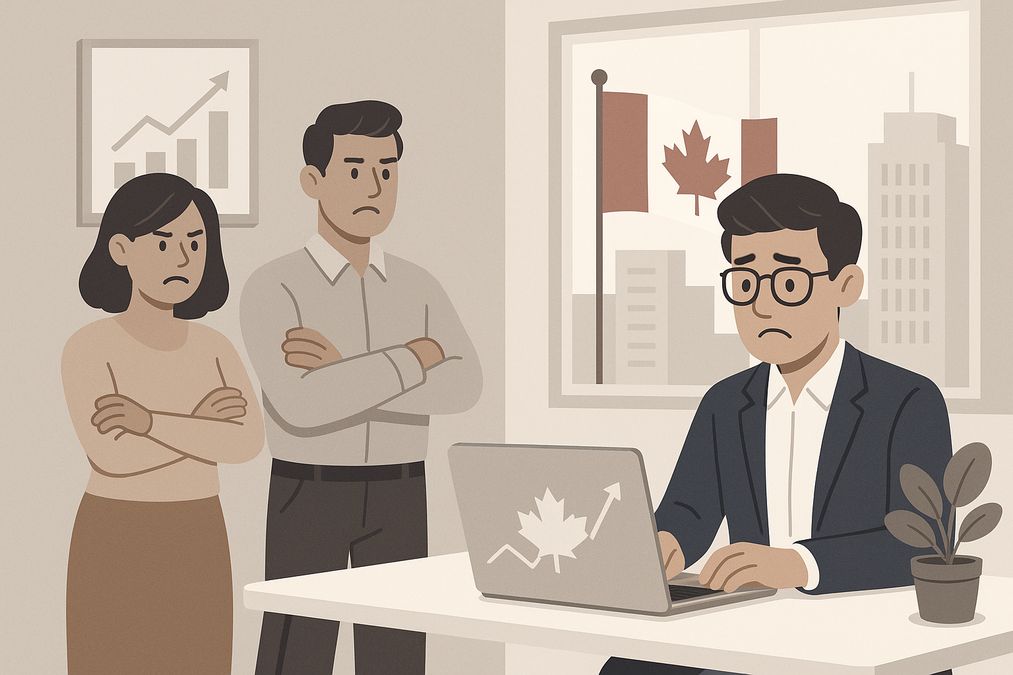
Launching a startup or growing a small business in Toronto can be both exhilarating and intimidating. Every entrepreneur dreams of securing their first customers quickly, imagining that this signals an immediate and perfect market fit. However, the reality for many Canadian startups and small businesses is often quite different—and sometimes, that difference is exactly what’s needed for long-term growth. In this comprehensive 2026 guide, we’ll explore how wrong first customers help startups in Canada, why your initial clients might not be your perfect audience, and how you can leverage these early experiences to strategically grow your business.
Why Understanding Early Customer Feedback Is Vital
When the doors open for your new business, your first priority is often to get someone—anyone—to try your product or service. While this drive is essential, it also presents an interesting twist: your first 100 customers might not reflect your future customer base. This realization can be unsettling, but it’s also empowering when viewed through the right lens.
Toronto’s unique and multicultural market adds even more nuance. What works for early customers may not work for a broader audience. Embracing feedback, especially from those who don’t stick around, is one of the smartest moves you can make in 2026.
How Wrong First Customers Help Startups in Canada
Let’s break down why early—but not ideal—customers can actually set your company up for success in Toronto’s dynamic business environment. Understanding their role can transform your approach to launching and growing your venture.
1. Revealing Flaws and Opportunities
- Unbiased Reactions: These first customers often aren’t fully aligned with your intended target—so they surprise you with questions or use cases you hadn’t considered.
- Unexpected Challenges: Their feedback uncovers issues with product design, service quality, or your messaging that you might otherwise miss, giving you a rare chance to fix problems before reaching your target audience.
- Pivoting Faster: Instead of settling into a comfort zone, you’re pushed to adapt quickly, leading to more flexible and robust offerings.
2. Preventing Costly Assumptions
Early customers—especially if they are the ‘wrong’ ones—make it harder to assume you have all the answers. They force you to validate your ideas with real-world feedback in the Canadian context. This insight is critical for any Toronto startup trying to survive past the early stages.
Curious about the impact of early customers? Dive deeper into this topic with Why First 100 Customers Might Be Wrong: Toronto Startup Insights 2026 for real Toronto stories and lessons.
3. Inspiring Better Business Model Innovations
Many Toronto startups discover that their initial business plan doesn’t survive contact with customers—and that’s not a bad thing! The feedback from less-than-perfect customers helps you:
- Iterate your business model smarter, not just faster
- Uncover market segments you didn’t expect
- Develop resilience against competition and market changes
4. Driving Early Brand Awareness in Unexpected Places
Your earliest customers might promote your brand to new niches in Toronto or Canada-wide that were off your radar. Their networks could open doors to valuable partnerships or user groups you never considered.
The Toronto Startup Landscape in 2026: Unique Challenges and Opportunities
In 2026, Toronto is a hotbed for innovation. But the fast pace and fierce competition mean that flexibility is crucial. Startups need to balance their vision against the realities of a diverse, ever-evolving local market.
Recognizing Your True Target Audience
It’s common for Canadian entrepreneurs to realize, after six months or even a year, that their first customer group wasn’t their best match. Adapting to this reality helps build longevity.
- Early adopters may not represent mainstream customers.
- Local tastes and purchasing habits change rapidly across Toronto’s neighbourhoods.
- Global trends can affect even micro-local businesses in the GTA.
Avoiding the First-Customer Trap
If you focus only on satisfying those first users, you risk over-customizing your business to fit their specific needs, which can alienate other, more lucrative audiences. Instead, use early customer behavior as a compass—not as a rulebook.
Case Studies: Toronto Startups That Learned from ‘Wrong’ Customers
Fresh Bites Café: From Early Office Workers to Families
Fresh Bites Café opened in downtown Toronto in early 2025, expecting to cater mostly to local office workers. Their marketing focused on express lunches and takeout. But their first big wave of customers turned out to be families visiting for weekend brunch. Thanks to their flexibility (and the feedback from families wanting kids’ options and high chairs), Fresh Bites quickly revised their menu and created weekend specials—boosting sales beyond expectations within eight months.
UrbanTech Software: Techies vs. Small Businesses
UrbanTech Software launched an app aimed at Toronto’s tech-savvy consumers. Their first wave of users—mostly developers—loved the advanced features but found the setup process too complex for small business owners, who made up the majority of the Toronto market. By paying close attention to the pain points of their ‘wrong’ first customers, UrbanTech was able to simplify onboarding, run local workshops, and triple their user retention by late 2025.
Key Takeaway
When you listen to your early, even imperfect, customers—and use their feedback smartly—you can pivot your product, improve your marketing, and ultimately better serve Toronto’s real market needs.
How to Turn ‘Wrong’ First Customers Into Your Best Growth Hack
1. Ask Smart, Open-Ended Questions
- Don’t just ask what they like—discover what didn’t work for them.
- Document feedback in a structured way so patterns emerge over time.
2. Observe Patterns Before Making Big Changes
- Track data: Are the same concerns coming up? Are there surprising new use cases?
- Avoid changing course after a single complaint. Wait for meaningful trends.
3. Test New Ideas in Small Batches
- Toronto’s 2026 market rewards those who experiment. Try different pricing, messaging, or feature sets before scaling up.
- Make use of community events and online surveys to broaden your reach in the GTA.
4. Leverage Local Resources and Advisors
Partnering with organizations like ABC of Business can give you access to industry mentors, market research, and hands-on training. Their workshops are designed to turn feedback into actionable growth strategies for Toronto startups and small businesses.
Key Benefits of Embracing Wrong First Customers in Canada
- Validation: Confirms or challenges your understanding of market needs.
- Learning: Promotes business agility in facing unexpected challenges.
- Innovation: Introduces new possibilities for products, services, and business models.
- Resilience: Prepares your business to adapt and thrive.
How Long Do Most Startups Last in Canada?
Longevity in business is often linked to how well founders learn from early (and sometimes wrong) customers. Many startups in Canada don’t make it past the first few years—often because they stick stubbornly to initial assumptions. Embracing and learning from all customer feedback increases your odds of survival, especially in competitive Toronto.
Read more about startup survival rates and strategies for Canadian businesses in How Long Do Small Businesses Last in Canada? 2026 Guide.
Modern Business Planning: Future-Proofing Your Toronto Startup
Toronto entrepreneurs who thrive in 2026 are those who adapt their business plans with the latest insights and tools. By incorporating lessons learned from a diverse range of customers, your plans become not only actionable but also resilient.
Business Planning Techniques to Integrate Customer Feedback
- Lean Canvas Approach: Iteratively update your business model based on real feedback.
- Customer-Centric Workshops: Gather recurring customer issues and brainstorm solutions.
- Scenario Planning: Prepare for different possibilities, so you’re not caught off guard by market shifts.
- Continuous Learning: Invest in training and information sessions, like those offered by ABC of Business, to stay ahead.
For step-by-step instructions, check out Modern Business Planning Techniques for Startups in Canada 2026.
Essential Tools and Resources for New and Growing Startups
Whether you’re launching or scaling your business in Toronto, here’s a curated list of resources to help you harness the power of early customer feedback:
- ABC of Business: Local training, workshops, and business advisory services tailored for Toronto entrepreneurs
- MaRS Discovery District: Workspace, mentorship, and funding tips for startups
- Startup Canada: National programming and networking for business leaders
- Toronto Board of Trade: Policy updates and events for local businesses
- Local incubators and accelerators: Diverse programming for every industry and business stage
Common Mistakes Toronto Startups Make with Early Customers
- Over-customizing: Don’t build a product for a single user group unless they represent your ideal long-term audience.
- Ignoring Negative Feedback: Every criticism is an opportunity to learn and improve.
- Failing to Iterate Fast Enough: Toronto’s 2026 market is dynamic—move with agility.
- Not Leveraging Support: Failing to connect with ecosystems like ABC of Business and other local hubs will hold your business back.
Best Practices for Toronto Entrepreneurs (2026)
- Welcome All Feedback: Every comment, positive or negative, is insight into your product’s fit.
- Document and Review Regularly: Take time each month to analyze patterns in customer comments and sales data.
- Network With Local Business Owners: Toronto’s small business community is vibrant—learn from those who’ve succeeded (and failed).
- Invest in Learning: Leverage tools, guides, and workshops from reputable organizations like ABC of Business.
- Stay Flexible: Don’t become attached to your initial business plan—iterate as you learn more.
Conclusion: Make Early Feedback Your Toronto Success Strategy
Instead of fearing that your initial customers aren’t your ‘real’ customers, see them as your business’s greatest asset—showing you what to fix, where to pivot, and how to grow smarter. This mindset will help your Toronto startup or small business not only navigate the challenges of 2026 but also build the resilience and adaptability critical for long-term success.
Ready to put these insights into action? Connect with the experts at ABC of Business for personalized guidance, workshops, and support designed for Toronto entrepreneurs. Contact ABC of Business today and take the next step towards building and growing your successful business in Canada!