Introduction: The Hidden Threat in Canadian Business Decisions
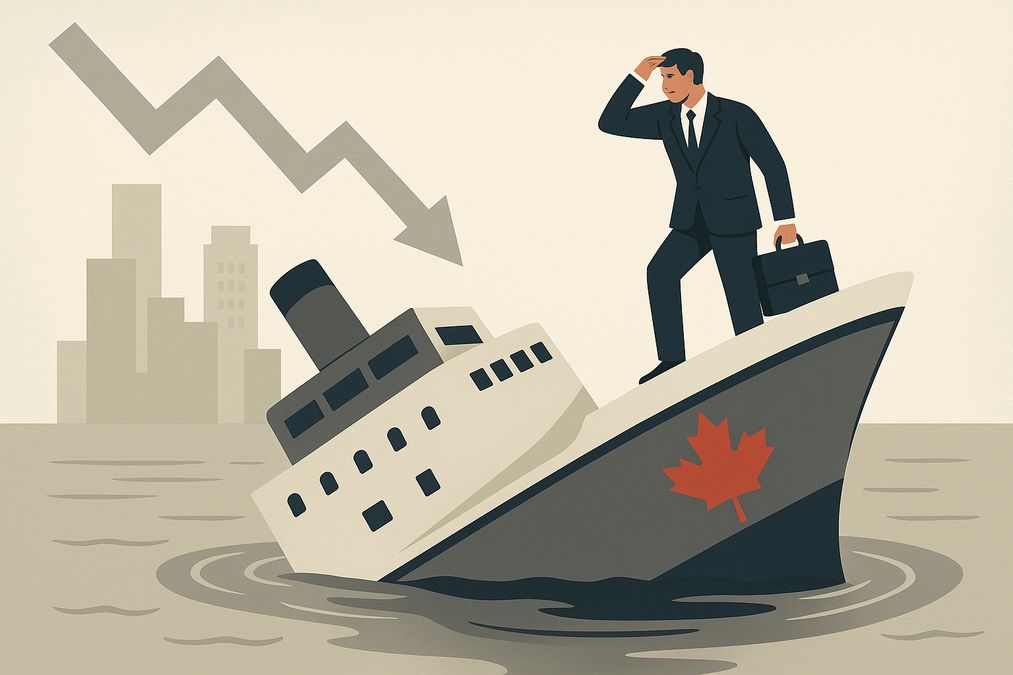
Toronto is a city that thrives on entrepreneurship, with countless startups and small businesses launching every year. However, while passion and determination are essential, so is making wise business decisions. In 2026, one critical challenge remains under the radar for many Canadian businesses: the sunk cost fallacy. Understanding how sunk cost fallacy kills Canadian companies in 2026 can be the difference between flourishing and floundering in this competitive landscape.
Whether you’re just starting out or have been running your business for years, you may already be caught in decisions driven by past investments rather than future potential. In this comprehensive guide, we’ll help you identify the warning signs, understand the psychology behind the traps, and discover practical ways Toronto entrepreneurs can dodge this common pitfall to ensure long-term growth and success.
What is the Sunk Cost Fallacy?
The sunk cost fallacy is when individuals or businesses continue investing time, money, or resources into a project or strategy simply because they have already put significant effort into it, rather than objectively evaluating its value moving forward. Instead of cutting their losses, they persist—often leading to avoidable business failures.
Common Sunk Cost Scenarios in Canadian Companies
- Product Development: Businesses continue funding a product that’s not gaining traction because of the money spent on its research and development.
- Marketing Campaigns: Continuing costly advertising, even with poor ROI, simply to justify the previous investment.
- Poor Partnerships: Maintaining collaborations that are clearly not working, fearing wasted time and resources if they walk away.
- Expensive Tools and Leases: Holding onto software or office space due to previous setup costs, even if better options now exist.
Why is the Sunk Cost Fallacy So Harmful in 2026?
In the sharply competitive Canadian business environment of 2026, flexibility and rapid adaptation are essential. Here’s how sunk cost fallacy kills Canadian companies in 2026:
- Wastes precious resources that could be used for more promising opportunities.
- Prevents innovation by tying up your team in underperforming products or processes.
- Blocks decision-making when leaders focus on past investments instead of future value.
- Causes unnecessary financial losses, especially detrimental to small businesses and startups operating on tight budgets.
The Psychology Behind Sunk Cost Fallacy
People tend to avoid losses and want to justify previous choices. For Toronto business owners, cultural norms that reward grit and perseverance often make it harder to let go, even when logic says it’s time to pivot. Understanding this psychological trap is the first step to combating it.
Key Psychological Drivers
- Loss Aversion: The pain of losing something is psychologically double the pleasure of gaining a similar amount.
- Commitment Bias: The desire to remain consistent with past decisions, leading to escalating commitment.
- Social Pressures: Not wanting to lose face in front of employees, partners, or investors by admitting a previous choice was wrong.
Real-World Examples: Sunk Cost Fallacy in Canadian Companies
Example 1: Toronto Tech Startup
A growing Toronto tech company poured resources into a mobile app. Despite poor user feedback and low adoption, leadership kept funnelling money into updates and marketing, hoping to turn it around. Eventually, the strain depleted their cash reserves, causing layoffs and damaging their reputation.
Example 2: Retail Expansion Gone Wrong
A small business owner in Scarborough invested heavily in opening a second storefront location. When foot traffic didn’t materialize, instead of cutting their losses and shutting down, they doubled down on advertising and unnecessary renovations. The continued investment ultimately led to bankruptcy.
How to Spot Sunk Cost Fallacy in Your Toronto Business
Do you recognize any of these warning signs?
- Refusing to stop a project solely because “we’ve already invested so much.”
- Ignoring negative results or feedback out of hope things “will turn around.”
- Feeling guilty or like a failure at the thought of moving on from a struggling initiative.
- Refraining from exploring better alternatives because of setup or switching costs.
Strategies to Avoid the Sunk Cost Trap in 2026
Thankfully, there are proven techniques to keep your company agile and rational under pressure. Here are actionable strategies:
1. Establish Clear Metrics and Milestones
- Set up key performance indicators (KPIs) before starting new projects.
- Define specific “go/no-go” checkpoints for ongoing investment reviews.
- Review performance reports regularly to inform objective-decision making.
2. Foster a Culture of Rational Decision-Making
- Encourage open discussion of mistakes—normalize pivoting when evidence supports it.
- Recognize and reward employees who recommend changes based on data instead of emotions.
3. Use Decision Frameworks
- Apply frameworks like “pros vs. cons” or “opportunity cost analysis” to every major investment decision.
- Consult neutral advisors or mentors from organizations like ABC of Business for outside perspective.
4. Train Your Team
- Provide regular workshops on decision-making and behavioural economics, collaborating with players such as ABC of Business.
- Empower employees at every level to speak up when they see non-rational persistence in projects.
5. Learn from Others
- Study case studies and lessons from other entrepreneurs. The Overcoming the Sunk Cost Trap in Toronto Businesses 2026 guide presents practical examples of local companies that have successfully navigated the sunk cost fallacy.
Key Steps for New Entrepreneurs to Dodge Sunk Costs
1. Start with a Robust Business Plan
- Early planning helps set boundaries for each project and investment.
- Mapping out realistic budgets and exit strategies protects against emotional over-investment.
- Review this detailed guide—How to Create a Business Plan for Small Business Canada—to create a resilient business foundation and avoid common financial traps.
2. Validate Ideas Before Scaling
- Use minimum viable products (MVPs) or pilot projects to test demand.
- Seek feedback and adjust quickly rather than waiting until resources are depleted.
- Organizations like ABC of Business offer training and information to help you validate and iterate on your ideas efficiently.
3. Build Flexibility into Your Business Model
- Structure contracts and leases with exit clauses.
- Negotiate trial periods for expensive technology or partnerships.
- Always assess the opportunity cost before overcommitting resources.
For Growing Startups and Small Businesses: Sunk Cost Prevention Tactics
1. Schedule Regular Business Audits
- Quarterly reviews of projects and expenses quickly surface investments no longer serving your company’s goals.
- Consider conducting internal or external workshops with growth experts from ABC of Business.
2. Implement Feedback Loops
- Encourage employees, partners, and even customers to provide honest feedback about ongoing initiatives.
- Adopt regular check-ins to ensure projects are still aligned with your evolving vision and market needs.
3. Recognize When to Cut Losses
- Train yourself and your leadership team to spot when a project is making less and less sense to continue.
- Don’t be afraid to pull the plug. Redirecting resources is a form of progress, not failure.
Business Tools and Support to Combat Sunk Cost Fallacy
Navigating the complexities of running a business in 2026 means having the right support and guidance. Here are essential resources to help Toronto entrepreneurs make informed decisions and avoid costly traps:
- ABC of Business – Provides mentoring, workshops, community resources, and decision-making frameworks designed specifically for Canadian entrepreneurs and small businesses.
- Startup Incubators and Accelerators: Offer structured programs and networking opportunities.
- Professional Business Advisors: Give unbiased assessments on projects and investments.
- Financial Planning Tools: Help you analyze forecasts, expenses, and investment returns.
Planning for Success: Building Resilient, Agile Canadian Businesses
Smart business planning is at the heart of avoiding financial traps. Startups and small businesses in Toronto can benefit from in-depth resources like the Comprehensive Guide for Launching Small Businesses in Canada 2026, which covers all the foundational steps to set up for sustainable growth and resilience in a quickly shifting market.
Conclusion: Take Charge and Future-Proof Your Business
Understanding how sunk cost fallacy kills Canadian companies in 2026 enables Toronto entrepreneurs to protect their ventures from one of the most persistent and destructive financial traps in business. By building strong business plans, validating ideas early, regularly auditing progress, and fostering a culture of objective decision-making, you’ll position your business to thrive regardless of the obstacles.
Remember, every business owner faces tough calls. The hallmark of a successful entrepreneur isn’t never making a mistake—it’s recognizing when to pivot and redirect resources to better opportunities.
If you want personalized guidance or need help building your strategy to avoid financial pitfalls, contact ABC of Business today. Equip yourself with the tools, training, and support you need to build a sustainable and profitable business in 2026 and beyond.