
Introduction: Why Avoiding Sunk Cost Mistakes Matters in 2026
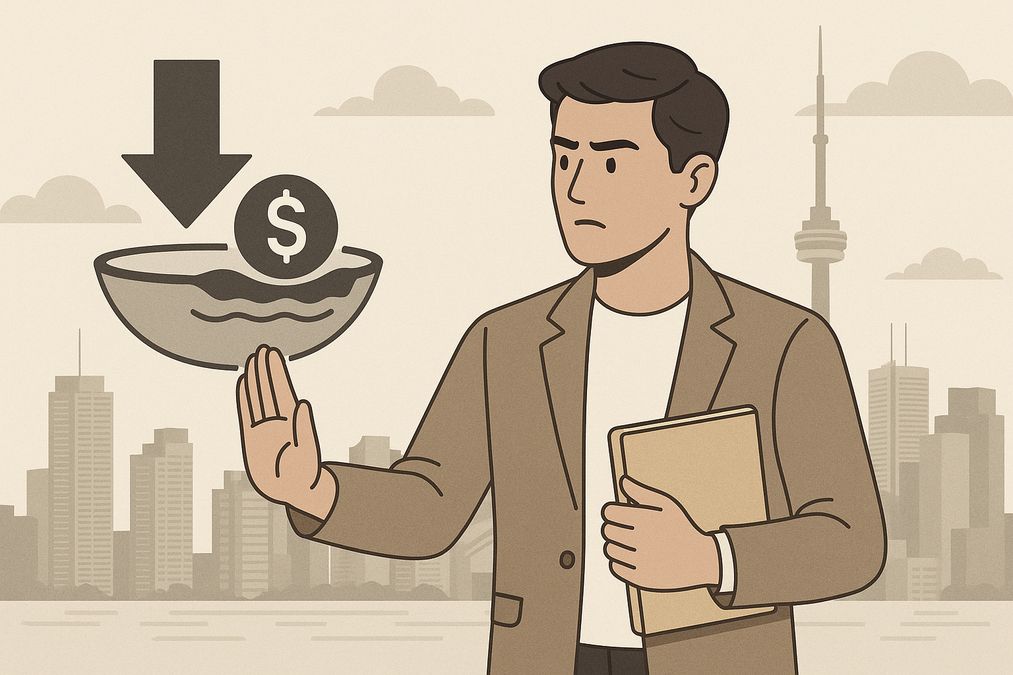
Toronto has emerged as one of Canada’s most dynamic cities for entrepreneurship. As we move into 2026, more local entrepreneurs and small business owners are taking bold steps to launch or scale their companies. However, with opportunity comes risk. One of the biggest and most misunderstood risks is the sunk cost fallacy—the tendency to let past investments influence future business decisions, often to the detriment of your company. Avoiding sunk cost mistakes for Toronto entrepreneurs in 2026 can make the difference between thriving and surviving in a competitive market. This guide will show you how to recognize, avoid, and overcome these costly pitfalls so your venture can grow sustainably.
Understanding the Sunk Cost Fallacy
What Is a Sunk Cost?
A sunk cost is any expense that has already been paid and cannot be recovered. This could be money spent on market research, stock, equipment, software licenses, or even time invested in a project that isn’t working out. It’s a universal challenge—every entrepreneur faces sunk costs at some point.
The Psychology Behind Sunk Costs
The sunk cost fallacy is a cognitive bias where business owners feel compelled to keep investing time, money, or resources into a failing endeavor because of what they’ve already put in. Entrepreneurs in Toronto face real pressure—especially during the early years—to see things through. But sticking with a failing initiative due to “money already spent” can lead to much greater losses down the road.
Why Sunk Cost Mistakes Are Especially Dangerous for Toronto Startups in 2026
- Financial Pressure: High rents, staffing costs, and competition create significant pressure in Toronto’s bustling market.
- New Opportunities: The innovation ecosystem is constantly evolving, requiring flexibility and agility.
- Access to Funding: Investors in 2026 are more cautious and expect business owners to make data-driven decisions.
In this context, learning to avoid sunk cost mistakes isn’t just wise—it’s essential for long-term success.
Real-Life Sunk Cost Scenarios in Toronto
Common Examples
- Restaurant Owners: Renovating a space and realizing after several months it’s in a poor location or doesn’t attract enough foot traffic—but continuing to pour money into promotions instead of pivoting.
- Tech Startups: Spending months developing a mobile app that lacks product-market fit, then refusing to pivot the idea despite negative feedback and slowing user acquisition.
- Retail Entrepreneurs: Ordering a large batch of a specific product that does not sell, but continuing to allocate shelf space, marketing spend, and hope to move the inventory.
These stories are more common than you might think, and successful entrepreneurs are those who recognize when to move on.
Key Signs You’re Falling into the Sunk Cost Trap
- You frequently say, “We can’t stop now, we’ve already spent so much!”
- You avoid change because you’re emotionally attached to past decisions.
- Most of your discussions about a failing product or service focus on past investments instead of future potential.
- You ignore new opportunities or feedback because of earlier efforts.
Assessing and Measuring Sunk Costs in Your Business
Step 1: List Your Irrecoverable Costs
Start by listing all the resources (time, money, reputation, etc.) you’ve already invested in projects, products, or strategies that aren’t yielding the expected results.
Step 2: Separate Past from Future Value
Ask yourself: Will continuing this project create new value, or are you just chasing returns on past investments?
Step 3: Analyze Objective Data
Use clear data such as current cash flow, ROI, customer feedback, and market trends to evaluate your choices.
For a breakdown of costs to consider when making smart investment decisions, visit our guide to startup costs breakdown for new businesses in Toronto in 2026.
Strategies for Avoiding Sunk Cost Mistakes for Toronto Entrepreneurs in 2026
1. Adopt a Forward-Looking Decision Process
- Focus on future returns, not past expenses. Ask: If you had no prior investment, would you put money or time into this again?
- Challenge your business partners and team to use this lens in strategic meetings.
2. Set Clear Exit Criteria Early
- Before pursuing a major investment—a new product, a marketing campaign, or a costly software license—define benchmarks for success and clear signals for when to pivot or exit.
- Document these criteria and review them regularly.
3. Remove Emotion from the Equation
- It’s hard not to feel attached to your ideas, but business decisions should be data-driven.
- Consider bringing in outside advisors or mentors for a fresh perspective.
- Tools and entrepreneur support platforms like ABC of Business offer training and resources to help business owners make objective decisions.
4. Practice Lean Startup Principles
- Test ideas quickly and cheaply before making big commitments.
- Iterate based on feedback from real Toronto customers.
- Read our guide to affordable ways to start a Toronto business in 2026 for tips on validating ideas with minimal upfront cost.
5. Build a Culture of Honest Review
- Encourage frank discussions about what’s working and what’s not—without blame.
- Recognize, reward, and normalize the decision to pivot or stop projects that no longer serve your goals.
Common Sunk Cost Mistakes to Avoid in 2026
Overcommitting to Unviable Products
- Just because you’ve spent months and thousands on product development doesn’t guarantee success. Always be ready to pivot or discontinue offerings that aren’t resonating.
Clinging to Outdated Technology or Marketing Strategies
- Digital tools and online trends evolve quickly in the Toronto market. Avoid investing further in platforms or methods simply because of prior spend; assess their relevance for 2026 and beyond.
Ignoring Better Business Opportunities
- Be willing to pursue new ideas and verticals, even if that means letting go of what you’ve already built. Staying agile is key for entrepreneurs in a fast-changing city like Toronto.
Tools and Support Networks for Smarter Decisions
Leveraging the right resources can help prevent sunk cost mistakes and improve overall business outcomes. Consider these tools and local organizations:
- ABC of Business: Offering workshops, practical training, and ongoing mentorship for Toronto-based entrepreneurs. ABC of Business helps business owners learn decision-making frameworks, track key metrics, and network with other founders facing similar challenges.
- MaRS Discovery District: Toronto’s well-known innovation hub offers access to advisors, funding, and startup resources.
- Enterprise Toronto: City-run programs and networking events specifically tailored to new and growing businesses in the GTA.
- Online Accounting & Planning Tools: Consider tools like QuickBooks, FreshBooks, or Wave (Toronto-based!) for accurate financial tracking and scenario planning.
How to Cultivate a Resilient Mindset for Toronto Entrepreneurs
Embrace Learning from Failures
No entrepreneur gets it right all the time. The key is to treat missteps as valuable data. By documenting what didn’t work (and why), you can avoid repeating mistakes and move forward smarter.
Seek Out Peer Support
Join local business meetups and online forums, or participate in programs at ABC of Business to learn from others who’ve overcome similar sunk cost challenges.
Stay Agile
The best businesses in 2026 will be the ones that adapt quickly. Commit to regular reviews of your business model, customer feedback, and financial performance. Don’t be afraid to course-correct—in fact, see it as a sign of leadership.
Legal and Financial Considerations for Startups Avoiding Sunk Costs in 2026
Beyond emotional decision-making, financial and tax planning also plays a crucial role in avoiding costly errors. Be diligent about maintaining up-to-date records, separating personal and business expenses, and forecasting cash flow. For up-to-date information, check out our resource on filing tax returns for Toronto startups in 2026.
Summary Checklist: Avoiding Sunk Cost Mistakes for Toronto Entrepreneurs in 2026
- Recognize when sunk costs are influencing your business decisions.
- Regularly review and analyze projects for ongoing value, not past expense.
- Use forward-looking metrics and objective data to evaluate business initiatives.
- Adopt lean startup and rapid-prototyping methodologies.
- Don’t be afraid to cut losses—focused resources lead to better growth opportunities.
- Leverage Toronto’s rich entrepreneurial ecosystem—including ABC of Business—for ongoing education, networking, and support.
Conclusion: Build for Success by Learning from the Past—Not Living in It
Launching and growing a startup or small business in Toronto in 2026 is full of promise, but also plenty of challenges. Avoiding sunk cost mistakes will empower you to make clear-headed, confident decisions that set your venture on the path to long-term success. Stay objective, invest wisely, and surround yourself with smart tools and a supportive network.
Ready to sharpen your business decision-making skills and avoid common pitfalls? Contact ABC of Business today for specialized training, workshops, and tools designed for Toronto’s entrepreneurs and startups. Build smarter, grow faster, and turn every lesson into a stepping stone for 2026 and beyond!