
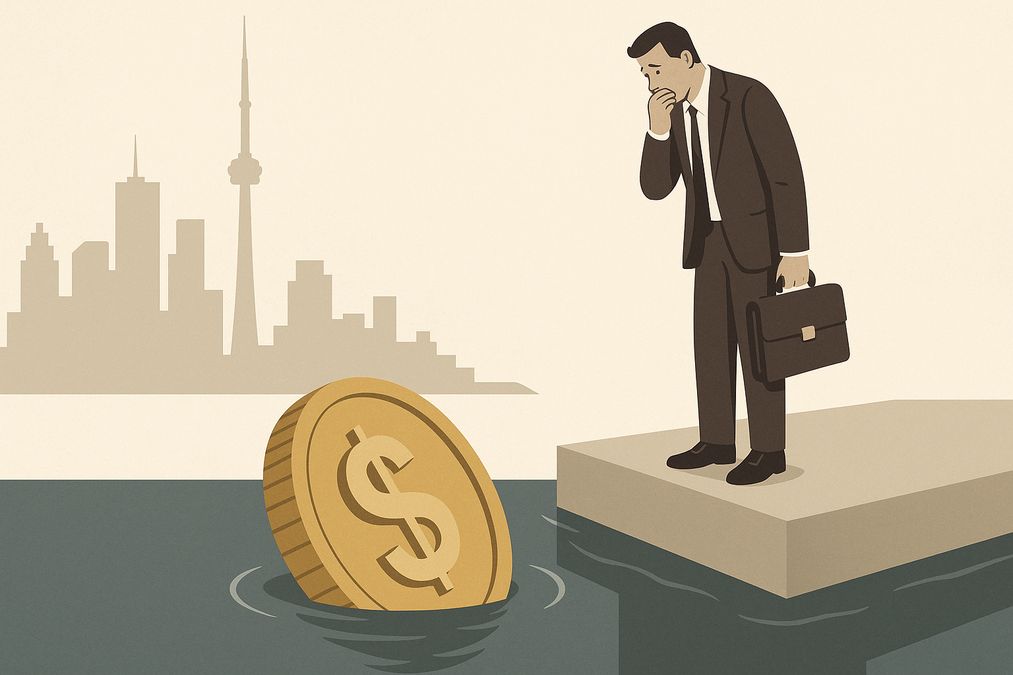
Are you a Toronto entrepreneur or small business owner struggling to know when to pivot, persevere, or pull back investments? You’re not alone. Many local businesses fall into the psychological trap of sunk cost thinking, risking their growth and long-term success. Understanding and overcoming this hidden bias can save your resources, encourage smarter decisions, and set your Toronto-based venture on a sustainable growth path in 2026.
Understanding the Psychological Trap of Sunk Cost Thinking in Toronto Businesses
Sunk cost thinking refers to the human tendency to continue investing in a decision or project simply because of the time, money, or effort already spent—regardless of future prospects. This psychological trap can deeply affect business owners in Toronto, where competition, expenses, and the ever-evolving marketplace can make decision-making stressful. When left unchecked, sunk cost thinking can stifle innovation, drain resources, and prevent leaders from making strategic choices for their companies’ future.
Why Toronto Businesses Are Especially Vulnerable in 2026
- Cultural factors: Toronto’s vibrant entrepreneurial community values perseverance and hustle. However, this can encourage entrepreneurs to hold onto failing projects longer than necessary.
- Cost of doing business: High rents, labor costs, and regulatory hurdles often amplify the pressure to recoup earlier investments.
- Startup and innovation climate: Toronto’s status as a tech and business hub means businesses often experiment with novel ventures, increasing sunk cost hazards.
Understanding the psychological traps unique to the Toronto market helps local businesses anticipate and sidestep common pitfalls.
How the Sunk Cost Fallacy Shows Up in Business Decisions
Let’s look at real-world scenarios:
- Continuing a marketing campaign that hasn’t produced results just because it consumed so much budget.
- Refusing to let go of inventory or equipment that’s obsolete, thinking “we paid good money for this.”
- Staying with underperforming business models, partners, or technology due to “all the work we’ve already put in.”
- Keeping an unprofitable product line open to justify the money spent developing it.
Each of these decisions, rooted in the psychological trap of sunk cost thinking, can stunt growth for Toronto businesses.
Why Sunk Cost Thinking Feels So Compelling
Sunk cost thinking is powerful because walking away feels like admitting failure. Entrepreneurs in Toronto take pride in grit and resilience; yet, sometimes quitting is the wisest strategy. The brain, however, seeks to avoid loss aversion—the pain of loss often feels stronger than the pleasure of gain. That’s why it’s critical to make business decisions based on future value, not past investments.
Strategies to Overcome the Sunk Cost Trap
Ready to escape the psychological trap of sunk cost thinking in your Toronto business? Here are proven strategies:
1. Acknowledge Sunk Costs For What They Are
- Recognize that money, time, or resources already spent cannot be recovered.
- Frame decisions so that only future costs and benefits factor, not what’s gone.
2. Set Clear Milestones and Stop-Loss Points
- Before starting any initiative, determine key performance indicators and timelines for review.
- Predetermine at what point you will pivot or halt a project if it doesn’t deliver the expected results.
3. Involve External Perspectives
- Engage mentors, advisors, or a local entrepreneurial support group like ABC of Business to bring fresh eyes to tough decisions.
- Outside feedback can cut through emotional bias.
4. Separate Emotions from Decision-Making
- Pause before making big choices. Are you motivated by pride, fear, or loyalty—or by facts?
- Practice mindfulness and reflection to become aware of emotional drivers.
5. Commit to Ongoing Education
- Attend workshops and training—such as those by ABC of Business—to build awareness around cognitive biases and sound business decision-making.
Case Study: A Toronto Startup’s Sunk Cost Trap
Imagine a tech startup in downtown Toronto that spent $50,000 developing an app. After launch, it failed to attract paying customers, but the founders refused to pivot, citing the money and months of work already invested. By the end of two years, they had spent another $100,000 without significant improvement.
Eventually, after consulting mentors at ABC of Business, they realized they were trapped in sunk cost thinking. With community support, they made the tough choice to sunset the app, freeing resources for a new product. A year later, their new software solution thrived. Their story is common—but offers hope that change is possible with the right mindset and support.
Tools and Resources to Help Combat Sunk Cost Thinking in 2026
- ABC of Business – Local training workshops, mentorship, and resources focused on cognitive skills for entrepreneurs.
- Toronto Board of Trade – Regular events on modern business decision-making.
- Financial analysis software – Track real-time performance and forecast outcomes to stay focused on future value.
- Peer accountability groups – Connect with like-minded founders to challenge each other’s assumptions.
When to Double Down and When to Pivot: Decision-Making in Uncertain Toronto Markets
It’s not always easy to spot when it’s wise to push through hardship and when it’s time to stop. Here’s a checklist tailored for Toronto businesses:
- Is the original market opportunity still valid? If not, pivot.
- Have changes in regulations or local economics made your business model less viable? Don’t throw good money after bad.
- Is customer feedback consistently negative? It may be time to switch gears.
- Are you renewing investments just to justify past expenses? Check for sunk cost bias.
Practical Step: The Pre-Mortem Exercise
Before committing to a big decision in your business, conduct a “pre-mortem”: Imagine your project failed in a year. Identify why and what factors would have led there. This can reveal if you’re about to fall into the psychological trap of sunk cost thinking.
Small Changes, Big Results: Habits to Avoid Sunk Cost Thinking
- Review the performance of key projects quarterly.
- Celebrate smart pivots as much as perseverance.
- Build a supportive advisory network or connect with organizations like ABC of Business.
- Stay curious—attend local Toronto events, read, and learn from others’ mistakes.
Financial Support and Risk Management Strategies That Matter
If resource constraints are driving your hesitance to pivot, remember that Toronto offers multiple avenues of support for founders and small business owners. For guidance on government grants, private funding, and other support systems, explore the 2026 Toronto grants and funds support guide to ensure your next initiative has the financing and flexibility you need—without feeling boxed in by past spend.
Common Mistakes: Learning from Others in the Toronto Scene
If you want to further understand the errors others have made—and how to avoid them—take a look at this advice on mistakes small businesses make and the ways to sidestep them in 2026. Avoiding these errors often comes down to recognizing cognitive traps like the sunk cost fallacy and acting decisively.
Low-Risk Startup Options for the Toronto Market
Thinking about launching a new venture? Consider researching low-risk startup options in Toronto for 2026. New entrepreneurs can minimize their sunken investment by starting small, testing ideas quickly, and pivoting faster if necessary—effectively bypassing the need to justify large upfront expenditures.
Building a Resilient, Reflective Business Culture in Toronto
The best antidote to the psychological trap of sunk cost thinking in Toronto businesses is fostering a culture of humility, reflection, and ongoing learning. Here’s how to begin:
- Encourage your team to challenge assumptions and voice concerns early.
- Host regular “fail fast, learn fast” reviews on business experiments.
- Reward pivoting away from projects when data supports it.
- Use training and community workshops, such as those by ABC of Business, to reinforce smart decision-making skills at every level.
Conclusion: Move Forward, Let Go of What Holds You Back
It is normal to want to recover what you’ve already invested in your Toronto business. But the most successful entrepreneurs know that true progress comes from learning, adapting, and letting go of what no longer serves their vision. By understanding and avoiding the psychological trap of sunk cost thinking, you position your business for smarter growth, greater resilience, and lasting impact in Toronto’s dynamic 2026 landscape.
Ready to break free from old patterns and build your best business? Contact ABC of Business today for training, workshops, and expert advice tailored for Toronto’s entrepreneurs.