
Category: Blog

  • How Hiring Delays Affect Company Growth in Toronto 2026

    How Hiring Delays Affect Company Growth in Toronto 2026

    If you’re launching a new venture or growing your small business in Toronto in 2026, building the right team is at the heart of your success. But what happens when you can’t fill roles quickly enough? Understanding how hiring delays affect company growth in Toronto is crucial for ambitious entrepreneurs who want to avoid costly setbacks and take advantage of every opportunity that this vibrant city has to offer. Whether you’re just forming your first team or trying to scale up a growing business, the time it takes to hire can directly impact your momentum, innovation, and ultimate business outcomes.

    Why Hiring Speed Matters for Toronto Startups and Small Businesses

    Toronto is Canada’s economic powerhouse and tech startup central, where skilled talent is often in high demand but short supply. With Toronto’s competitive landscape, every missed day of productivity can set your business back against local and global competitors. In 2026, with remote opportunities opening up the talent pool but also increasing competition, moving slowly in hiring can become a critical disadvantage.

    Here’s how hiring delays can ripple through your business:

    • Missed market opportunities: Waiting too long to fill key positions can mean missing out on new clients, product launches, or seasonal peaks.
    • Employee burnout: Lean teams working longer hours can suffer from fatigue, lower morale, and ultimately higher turnover.
    • Innovation slowdowns: In fast-evolving sectors like tech or digital marketing, unfilled roles can prevent you from adapting to market trends or delivering on new ideas.
    • Revenue stagnation: Tasks that depend on specialized hires may pile up, directly impacting your cash flow and growth targets.
    • Employer brand damage: Potential hires may see long hiring processes as a sign of indecision, inefficiency, or lack of resources.

    How Hiring Delays Affect Company Growth in Toronto: The Core Impacts

    1. Losing Momentum in a Competitive Environment

    Toronto’s business community is highly dynamic, which can be both exciting and intimidating. When a vital team member leaves, or you identify a need to expand, each week of delayed hiring can mean:

    • Slower product development cycles
    • Delayed service rollouts
    • Competitors overtaking your market share
    • Decreased agility when adapting to customer needs or regulatory changes

    According to our guide, understanding the stages of startup growth is vital. Speedy hiring is often most critical during scale-up and maturity phases where every opportunity counts.

    2. Impact on Company Culture and Employee Satisfaction

    Long hiring processes mean that existing employees often have to cover vacant roles or take on additional responsibilities. This scenario can quickly lead to:

    • Burnout among top performers
    • Increasing stress and mistakes
    • Decreased engagement, creativity, and retention
    • Unclear team roles and responsibilities, causing confusion

    In Toronto’s diverse work environment, ensuring a positive culture is essential for attracting and retaining great talent.

    3. Growth Bottlenecks for Startups and Small Businesses

    Bottlenecks can cripple a growing business. For startups especially:

    • Product development may stall when you lack programmers, marketers, or project managers
    • Sales cycles get delayed if account managers or lead developers aren’t in place
    • Administrative and compliance requirements can pile up in a city known for rigorous regulatory standards

    Common Reasons for Hiring Delays in Toronto Businesses

    Understanding why hiring delays occur can help you prevent them. Some common causes include:

    • Inefficient recruitment processes: Slow applications, unclear job descriptions, or lengthy decision chains
    • Lack of employer branding: Job seekers may be wary of unknown or unproven startups
    • High competition for talent: Candidates receive multiple offers, making it harder to secure the best
    • Budget constraints: Waiting for funding rounds or hesitant investment in new hires
    • Unclear business plans: Not having a solid strategy can delay approvals and deter top talent

    How Hiring Delays Affect Company Growth in Toronto: Financial Consequences

    An unfilled position isn’t just a vacant desk; it’s lost potential and revenue. Here’s what Toronto businesses risk with slow hiring:

    Quantifiable Business Losses

    • Direct costs: Loss in productivity, temporary contractor expenses, and increased overtime pay
    • Indirect costs: Lower employee engagement, lost clients, or penalties for missing deadlines
    • Opportunity costs: Inability to accept new projects or expand markets may cost your business more than the salary saved by delaying a hire

    Impacts on Startups: Toronto Case Insights for 2026

    Let’s look at some scenario-based insights tailored to the Toronto entrepreneurial ecosystem in 2026:

    • A SaaS startup loses market momentum when it can’t hire a growth marketer amid a hot local job market, resulting in slower adoption.
    • A small restaurant chain must delay opening a new location for months because of a lack of available managers, affecting revenue targets and investor confidence.
    • A fintech business can’t quickly onboard compliance officers due to government checks, missing out on crucial regulatory approvals needed for expansion.

    For a deeper dive into this topic and real-life examples, check out our resource on Understanding the Effects of Slow Hiring on Business Momentum.

    Strategies to Prevent and Overcome Hiring Delays

    1. Strengthen Your Hiring Process

    • Use clear, concise job descriptions tailored to Toronto’s talent market
    • Reduce the number of interview rounds without sacrificing quality
    • Harness digital hiring platforms and AI-powered applicant tracking systems
    • Streamline your decision-making steps with pre-set evaluation criteria

    2. Build an Employer Brand People Recognize

    • Showcase your culture and growth stories on LinkedIn and industry events
    • Encourage referrals from satisfied employees and alumni
    • Collaborate with Toronto-based incubators and organizations

    3. Plan Ahead with a Strong Business Plan

    Many hiring delays begin with unclear goals or financial projections. A detailed business plan can help justify new roles and align hiring with growth surges. For a step-by-step approach, visit our guide on how to create a business plan for small business in 2026.

    4. Utilize Toronto’s Entrepreneurial Ecosystem

    • Attend networking events to build your candidate pipeline early
    • Tap into talent resources provided by universities and newcomer organizations
    • Work with ecosystem players like ABC of Business, which offers ongoing training, workshops, and information for entrepreneurs seeking to recruit, retain, and engage talent more effectively

    5. Create a Flexible Candidate Experience

    • Offer virtual interviews and remote work whenever possible to broaden your talent pool
    • Communicate transparently and frequently with candidates about timelines and expectations
    • Have competitive and clear compensation packages ready to present

    Essential Tools and Services for Avoiding Hiring Delays (Toronto 2026)

    • ABC of Business: Provides Toronto entrepreneurs with hands-on training, workshops, resources, and actionable insights to streamline hiring and team-building at every stage
    • Digital recruiting platforms: Leading tools like LinkedIn, Indeed, and Toronto-specific tech job boards
    • Applicant tracking software (ATS): Automate resume screening, scheduling, and communication
    • Local recruitment agencies: Specializing in Toronto’s startup and SMB sectors
    • Startup communities and incubators: For events, job fairs, and candidate pools
    • Government-funded employment programs: Support with wage subsidies or access to job-ready candidates

    Future Outlook: Hiring and Growth in Toronto for 2026 and Beyond

    The future of doing business in Toronto is promising, with more support for both startups and established small companies than ever before. However, the complexity and pace of recruitment will only increase as talent has more options and expectations. Those who streamline their hiring processes and invest in talent development will see:

    • Faster innovation cycles
    • Loyal, high-performing teams
    • A strong business reputation
    • The ability to seize emerging opportunities within Toronto’s ever-evolving market

    Key Takeaways: How Hiring Delays Affect Company Growth in Toronto

    • Delayed hiring can slow market growth, product development, and company culture
    • Financial consequences range from direct lost revenue to decreased team morale
    • Planning, streamlined processes, and ecosystem support are keys to overcoming hiring setbacks
    • Toronto entrepreneurs have rich resources – including ABC of Business – to help speed up and improve their hiring outcomes

    Conclusion: Take Control of Your Hiring and Accelerate Growth

    Knowing how hiring delays affect company growth in Toronto gives you an edge in a competitive landscape. By focusing on efficient hiring, leveraging local resources, and planning strategically, you can reduce setbacks and unlock your business’s full potential in 2026 and beyond.

    Ready to take your business to the next level? Contact ABC of Business today for expert advice, training, and tailored support on hiring, growing, and thriving in Toronto’s entrepreneurial ecosystem.


  • How Hiring Delays Affect Company Growth in Toronto (2026)

    How Hiring Delays Affect Company Growth in Toronto (2026)

    Toronto’s business scene in 2026 is thriving, buzzing with the energy of startups, small businesses, and established enterprises. If you’re an entrepreneur eager to launch or expand your venture in this vibrant city, you’ll quickly discover that your team is your greatest asset. But what happens when you can’t hire quickly enough? In this in-depth guide, we’ll look at how hiring delays affect company growth in Toronto—and what you can do to ensure your business doesn’t lose momentum.

    Why Timely Hiring Matters for Toronto Businesses in 2026

    Toronto’s fast-paced, competitive landscape means timing is everything. Companies rush to seize new opportunities, win clients, and bring innovative products to market. Yet, many founders and managers underestimate how hiring delays affect company growth in Toronto. The right people, in the right roles, at the right time, are essential for:

    • Scaling operations smoothly during periods of rapid growth
    • Delivering exceptional customer experiences
    • Maintaining innovation and building a solid brand reputation

    When hiring stalls, the ripple effects can be damaging—causing missed deadlines, burnout among existing team members, and lost revenue opportunities. Let’s explore these impacts in detail.

    Understanding the Impact: How Hiring Delays Affect Growth

    1. Lost Momentum and Slow Scalability

    Perhaps the most direct way hiring delays affect company growth in Toronto is by stalling your momentum. In a fast-evolving ecosystem, being unable to fill critical roles can lead to:

    • Slower launch of new products or services
    • Missed opportunities to enter new markets
    • Losing competitive edge as other businesses hire faster

    Toronto startups often report that a month-long hiring delay can set back product launches by two or three months, as projects bottleneck and existing employees stretch to cover the gaps.

    2. Increased Stress and Employee Burnout

    Teams forced to operate short-staffed must pick up extra duties, leading to:

    • Overtime and increased stress
    • Declining morale and engagement
    • Higher risk of turnover among top performers

    This vicious cycle can make it even harder to attract and retain talent—essential for healthy company growth.

    3. Impact on Revenue and Customer Satisfaction

    Each week you go without essential hires can cost your business:

    • Delayed project delivery, resulting in lost contracts
    • Poorer customer service due to overworked teams
    • Reduced speed to market with new products or services

    These factors contribute directly to lost revenue, damaging your business’s ability to grow.

    4. Damaging Your Employer Brand in Toronto’s Talent Market

    Long, drawn-out hiring processes can frustrate candidates and erode your reputation. When candidates experience lengthy delays or unclear communication, they may:

    • Withdraw applications
    • Share negative feedback on social media or review platforms
    • Discourage other top talent from applying

    Building a strong employer brand is crucial in Toronto’s ultra-competitive job market.

    Why Is Hiring So Challenging for Toronto Companies?

    Understanding how hiring delays affect company growth in Toronto starts with addressing why the process can be so slow. Some of the most common local challenges include:

    • High competition for skilled workers in the tech, finance, and creative sectors
    • Lengthy interview processes due to internal debates or lack of clear role requirements
    • Limited HR resources or experience, especially in early-stage startups
    • Regulatory or visa challenges for international hires

    For many entrepreneurs, recognizing and addressing these bottlenecks is the first step toward unlocking growth.

    5 Ways Hiring Delays Directly Affect Startup and Small Business Growth

    1. Missed Opportunities: Being understaffed can mean turning away projects or clients you would otherwise have the capacity to serve.
    2. Lost Innovation: Lack of resources or expertise slows product development, costing you first-mover advantage.
    3. Financial Strain: Overburdened employees can make costly mistakes, while dissatisfied customers may leave.
    4. Culture Erosion: High workloads and stress can damage your team spirit and collaboration.
    5. Stunted Expansion: You can only scale as fast as your team allows—long recruitment processes cap your growth potential.

    Startup Growth Stages and the Role of Hiring in Toronto (2026)

    Every growing business passes through distinct startup growth stages. Each phase—from ideation to rapid expansion—requires careful planning and resourcing. Strategic hiring is pivotal at every step:

    • Validation Stage: You need a lean, adaptable team to experiment and pivot quickly.
    • Product Development: Top talent accelerates time to market and quality.
    • Scale-Up: Adding specialists enables you to take on more clients and markets efficiently.
    • Maturity: Hiring leaders and experts helps fortify processes and culture as your business stabilizes.

    Stalling on hires at any stage risks stunting your company’s progress and reducing your chances of success.

    How Slow Hiring Interrupts Business Momentum

    If you’re keen to avoid the pitfalls of slow recruiting, it’s worth examining the effects of slow hiring on business momentum. Studies across Toronto’s business scene show that:

    • Project backlogs increase as open roles go unfilled
    • Team members get less time to innovate or improve processes
    • Operational bottlenecks lead to delays in achieving business milestones

    Momentum is a competitive advantage—so minimizing hiring delays should always be a strategic priority.

    How to Minimize Hiring Delays and Power Company Growth in Toronto

    The good news is, with strategic planning and the right processes, you can reduce hiring lag and support robust company growth. Here’s how:

    1. Prioritize Workforce Planning in Your Business Strategy

    • Identify critical roles for each growth stage
    • Forecast hiring needs based on your projected growth rate
    • Develop a talent pipeline before roles become urgent

    2. Craft a Compelling and Focused Business Plan

    Clear business planning ensures your hiring aligns with company goals and can help streamline approval processes. If you’re not sure where to start, check out our guide on how to create a business plan for small businesses in Canada.

    3. Optimize Your Recruitment Process

    • Simplify your job postings to attract the right candidates quickly
    • Set up efficient interview panels with clear decision-making authority
    • Invest in applicant tracking systems or use hiring platforms to speed up screening

    4. Build Your Talent Brand Early

    • Promote your company culture and values in your job ads and outreach
    • Engage with local business networks, universities, and community groups
    • Encourage referrals from current team members

    5. Leverage Toronto’s Entrepreneurial Ecosystem

    You’re not in this alone! Tap into tools and resources designed for startups and small businesses:

    • ABC of Business: Workshops and training for new entrepreneurs, helping you build smarter hiring and onboarding processes
    • Local HR consulting firms focusing on Toronto’s unique hiring challenges
    • Business incubators and accelerators offering hiring support
    • Government programs supporting workforce development

    6. Monitor and Measure Hiring Efficiency

    • Track Time-To-Hire for each role
    • Review candidate feedback to identify friction points
    • Continuously refine your recruitment strategy using real data

    Common Mistakes Leading to Hiring Delays (and How to Avoid Them)

    • Poorly defined job requirements. Make sure your job descriptions are realistic and tailored to your actual needs.
    • Overly complex interview processes. Limit rounds of interviews and empower your hiring team to decide quickly.
    • Failing to leverage your network. Reach out through professional and community channels for referrals.
    • Waiting for the “perfect” candidate. Sometimes it’s better to hire for potential and cultural fit, then train for skills.
    • Underinvesting in employer branding. A positive, clear employer brand attracts more (and better) applicants.

    Future of Hiring and Company Growth in Toronto: Trends to Watch (2026)

    The hiring landscape in Toronto will keep evolving in 2026. Entrepreneurs and business leaders should keep an eye on:

    • Remote and Hybrid Opportunities: Attracting international talent and accessing new talent pools
    • AI and Automation: Tools that streamline screening, assessments, and onboarding
    • Inclusive Hiring Practices: Fostering diversity and inclusion as a growth advantage
    • Continued HR Skills Development: Resources from organizations like ABC of Business and others to keep your practices ahead of the curve

    Staying informed means you can build a more agile, future-ready business team.

    Top Tools and Resources for Toronto Entrepreneurs Facing Hiring Challenges

    • ABC of Business: Training, workshops, and strategic information designed to help Toronto’s startups and small businesses succeed
    • Toronto Board of Trade: Offering networking, hiring resources, and support programs
    • Ontario Small Business Centres: Guidance on HR best practices, grants, and hiring
    • Local and National Job Boards: Indeed, LinkedIn, and Canada Job Bank
    • Incubators & Accelerators: MaRS Discovery District, Ryerson DMZ, and more

    Conclusion: Don’t Let Hiring Delays Stunt Your Company’s Success

    In Toronto’s competitive and opportunity-rich business environment, your ability to secure the right team members—quickly and strategically—can determine whether your company scales or stalls. Long hiring cycles hamstring growth, frustrate existing employees, and risk your hard-won momentum. But with careful planning, streamlined processes, and the support of the right tools and organizations, you can overcome these barriers and keep your growth trajectory on track.

    If you’re ready to build a stronger team and accelerate your business journey, contact ABC of Business for expert guidance, practical workshops, and resources tailored to new entrepreneurs and small businesses in Toronto. Click here to reach out to our experts today and take the next step toward business growth in 2026!

  • Understanding the Effects of Slow Hiring on Business Momentum

    Understanding the Effects of Slow Hiring on Business Momentum

    Building and growing a business in Toronto takes more than a great idea and hard work. The pace at which you build your team can have far-reaching effects on your business momentum, especially in 2026 when competition and innovation are at an all-time high. This comprehensive guide dives into the effects of slow hiring on business momentum and provides Toronto entrepreneurs, startups, and small business owners with the insights and tools they need for sustainable growth.

    Introduction: Why Business Momentum Matters

    In Toronto’s dynamic 2026 business landscape, maintaining strong momentum is key to staying ahead. Business momentum isn’t just about rapid growth — it’s about keeping your operations lean, your customers happy, and your team motivated. Slow hiring, however, can silently erode this progress. But what does slow hiring really mean, and why is it so critical for Toronto businesses to avoid?

    What Is Slow Hiring?

    Slow hiring occurs when there is a significant delay in recruiting, interviewing, and onboarding new team members. While being cautious in hiring can help avoid costly mistakes, protracted timelines can create bottlenecks, prevent your business from seizing opportunities, and undermine employee morale.

    Common Causes of Slow Hiring

    • Overly complex recruitment processes
    • Multiple interview rounds and prolonged decision-making
    • Insufficient resources for talent acquisition
    • Unclear job descriptions and expectations
    • Underestimating the competitive Toronto talent market

    Understanding these causes is the first step toward identifying the specific risks your business might face.

    The Direct Effects of Slow Hiring on Business Momentum

    The effects of slow hiring on business momentum can manifest in various ways, impacting both immediate operations and long-term growth.

    1. Loss of Competitive Advantage

    Toronto is a hotbed of innovation and entrepreneurial activity. Delaying new hires gives competitors the edge they need to accelerate their own projects, secure market share, and appeal to top talent.

    2. Increased Workload and Burnout

    Existing employees must take on additional responsibilities when positions remain unfilled. Over time, this leads to burnout, diminished morale, and increased turnover, compounding your hiring problems.

    3. Project Delays and Missed Opportunities

    Unfilled roles mean essential work is put on pause or falls behind schedule. Launching new products or expanding into new markets becomes more challenging and sometimes impossible, costing your business precious opportunities for growth.

    4. Damaged Employer Brand

    Word spreads quickly in the Toronto business community. Constant delays in your recruitment process can signal disorganization, causing potential hires to accept roles elsewhere and making future hiring even tougher.

    Indirect Business Consequences

    While immediate pain points are clear, the longer-term indirect effects of slow hiring on business momentum can be even more damaging:

    • Loss of Customer Trust: Reduced service quality due to understaffing can erode your clients’ confidence in your brand.
    • Broken Innovation Pipeline: Talent gaps slow down brainstorming, execution, and pivoting—keys to staying competitive in 2026.
    • Reduced Ability to Scale: When you finally get an influx of business or investment, you may not be able to respond quickly enough.
    • Cultural Drift: Overstretched teams often lose sight of core values and culture, making it difficult to attract like-minded new hires later.

    Why Rapid, Smart Hiring Is Essential for Toronto Businesses in 2026

    For startups and small businesses in Toronto, the ability to hire efficiently is more essential than ever. The local job market in 2026 is highly competitive, and top talent has more options than ever before. Businesses that perfect their hiring processes will reap the rewards—not just in productivity but in innovation, reputation, and long-term sustainability.

    Benefits of Smart, Timely Hiring

    • Accelerated Productivity: Teams with the right people move faster on priorities and strategic initiatives.
    • Improved Collaboration: With positions filled, departments communicate better and resolve challenges proactively.
    • Stronger Culture: Onboarding new team members consistently keeps company culture fresh and resilient.
    • Enhanced Customer Experience: Staffed teams can offer top-notch, responsive service, crucial for retaining clients in Toronto’s competitive market.

    How Slow Hiring Impacts Key Business Functions

    Let’s look at how the effects of slow hiring on business momentum play out across different areas, especially for Toronto-based small businesses and startups.

    Sales Growth

    Growth-stage startups and small businesses rely on a dynamic sales team to build relationships, close deals, and gather feedback. When crucial sales roles go unfilled:

    • Leads go cold due to lack of follow-up
    • Sales quotas are repeatedly missed
    • Existing sales team experiences burnout

    Operations and Customer Service

    Tight-knit teams mean every position counts. When gaps persist:

    • Customer inquiries and orders get delayed
    • Operational efficiency suffers
    • Mistakes and misunderstandings become more common

    Innovation and Product Development

    Startups thrive on new ideas, but slow hiring means:

    • Projects get delayed or dropped altogether
    • Competitive edge slips away
    • Developers and creatives are stretched too thin to innovate

    Common Hiring Mistakes Toronto Businesses Make (and How to Avoid Them)

    The hiring process can be a stumbling block for many entrepreneurs. To learn more about avoiding common pitfalls, don’t miss our full guide on mistakes small businesses make when hiring and running operations in 2026. Here, we’ll highlight the key hiring errors businesses in Toronto often make:

    • Waiting for the Perfect Candidate: Delaying hiring until you find a unicorn can leave essential functions unstaffed for months.
    • Underestimating Onboarding: The best new hires need structured orientation to contribute quickly.
    • Focusing Only on Technical Skills: Forgetting about cultural fit can threaten team cohesion and morale.
    • Failing to Leverage Local Networks: Toronto’s startup ecosystem is vibrant—tap into it!

    Strategies to Accelerate Hiring and Protect Business Momentum in 2026

    To combat the negative effects of slow hiring on business momentum, implement these proven strategies:

    1. Streamline Your Hiring Process

    • Standardize interview questions and assessments
    • Limit interview rounds to essential decision-makers
    • Communicate clear timelines with candidates

    2. Strengthen Your Employer Brand

    • Showcase your company culture on digital platforms
    • Encourage employee testimonials and referrals
    • Engage with Toronto’s local business community

    3. Leverage Talent Tools and Resources

    The right tools and partners can make all the difference:

    • ABC of Business – A leading resource in Toronto providing training, workshops, and actionable business information for entrepreneurs and small businesses. Their expertise can help streamline your recruitment and retention strategies.
    • TorontoJobs.ca – A leading job board for local talent
    • LinkedIn Recruiter – For sourcing and managing candidates efficiently
    • Local networking events – Plug into Toronto’s vibrant entrepreneurial scene

    4. Prioritize Critical Roles

    • Map which roles most impact your business momentum
    • Fill revenue-driving and customer-facing roles first
    • Consider temporary or contract staff if necessary

    5. Provide Structured Onboarding

    • Create an onboarding checklist to bring new employees up to speed quickly
    • Assign mentors or buddies for each new team member
    • Set performance goals for the first 30, 60, and 90 days

    How To Register and Structure Your Small Business for Hiring Success

    If you’re just getting started, having your business set up properly can help you attract and retain the best talent. Refer to our detailed resource How to Register a Small Business in Toronto Ontario: 2026 Guide for step-by-step advice on setting up your business legally and operationally, so you can hire with confidence and peace of mind.

    Financial Implications: The Cost of Delayed Hiring

    Businesses often underestimate the financial burden linked to protracted hiring. Consider these effects:

    • Lost revenue from delayed projects and missed sales targets
    • Increased overtime pay due to overburdened staff
    • Recruitment costs climbing as you repeatedly search for candidates
    • Turnover costs from burnout and employee dissatisfaction

    Be sure to familiarize yourself with tax strategies and allowable write-offs for hiring and business operations by reading how Canadian small businesses can maximize allowable write-offs in 2026. Proper financial planning increases your flexibility for strategic hiring.

    Case Study: A Toronto Startup’s Turnaround Story

    Consider the example of a tech startup based in downtown Toronto. In 2025, their team of eight struggled to deliver a new SaaS product because two crucial developer roles remained unfilled for four months. Projects stalled, senior staff were overwhelmed, and customer feedback flagged slow response times. In early 2026, after they revamped their hiring process—shortening the time from posting to offer to under four weeks, leveraging resources like ABC of Business for talent development, and improving onboarding—they launched their product ahead of competitors and doubled their client base in just six months.

    The Role of Business Training and Community Support

    No Toronto entrepreneur should face the challenges of hiring alone. Participating in business training and making connections within the local entrepreneurial ecosystem can help you:

    • Learn best practices for recruitment and retention
    • Get up-to-date on compliance and HR regulations
    • Find mentors who have overcome similar challenges
    • Access resources and partners for growth

    ABC of Business stands out in this space, offering training, workshops, and relevant information to help Toronto businesses avoid the effects of slow hiring on business momentum. These valuable connections can be the difference between staying stuck and accelerating toward your business goals in 2026.

    Building a Resilient, Growth-Oriented Team for 2026

    As you develop your hiring strategy, keep these long-term practices in mind:

    • Promote from within wherever possible to reward loyalty and reduce hiring friction
    • Invest in employee development programs
    • Foster diversity and inclusion to enrich ideas and culture
    • Set regular check-ins to address workload and morale

    Conclusion: Take Action to Maintain Momentum

    Slow hiring can quietly undermine your efforts to scale and succeed, especially in Toronto’s competitive and diverse business environment. By understanding the effects of slow hiring on business momentum and implementing the strategies outlined above, your business can avoid common pitfalls and thrive in 2026 and beyond.

    If you’re ready to accelerate your hiring process and unlock new growth, contact ABC of Business today for expert workshops, training, and guidance designed for Toronto entrepreneurs and small business owners. Get in touch with ABC of Business and start building your resilient, growth-oriented team in 2026.

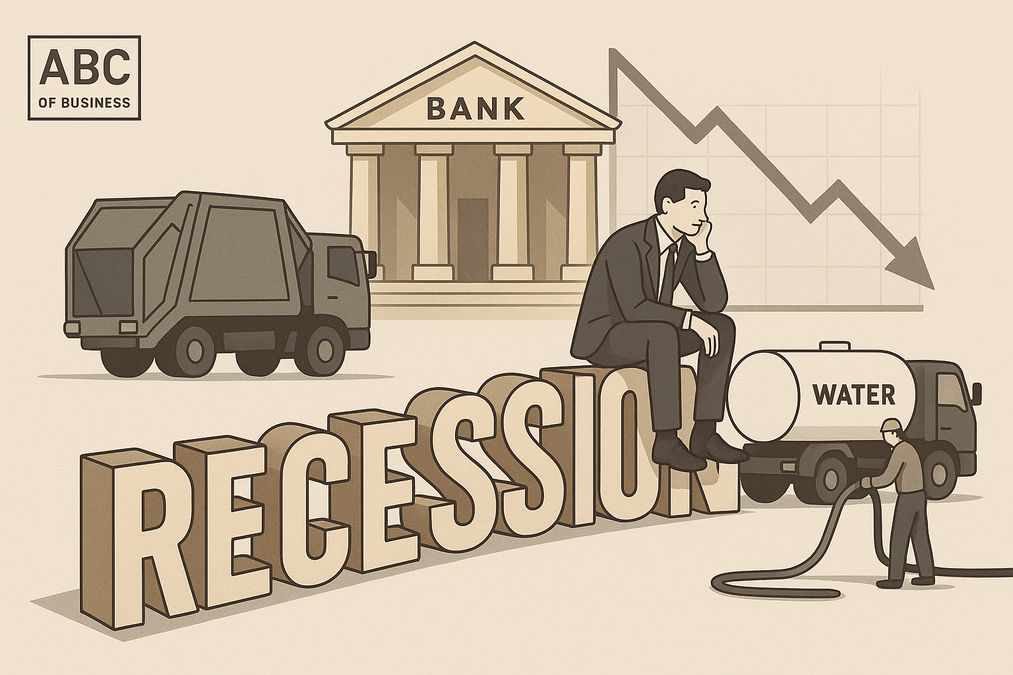
  • Top Boring Businesses That Thrive in 2026 Recession: Toronto Guide

    Top Boring Businesses That Thrive in 2026 Recession: Toronto Guide

    When economic uncertainty hits, many Toronto business owners and startup founders wonder how to protect their investments and ensure steady growth. While flashy tech startups and trendy cafes often dominate the headlines, the secret to stability might just lie in the so-called “boring” businesses. But what exactly are these top boring businesses that thrive in 2026 recession conditions? This guide explores why they perform so well, which ones you should consider, and how you can start or expand a boring but resilient business in Toronto.

    Why Boring Businesses Excel During a Recession

    Before we dive into the top boring businesses that thrive in 2026 recession, it’s essential to understand what makes these businesses recession-resistant:

    • Consistent demand: They meet fundamental human and business needs that remain steady regardless of economic conditions.
    • Low volatility: Earnings are more predictable, attracting risk-averse entrepreneurs.
    • Cost efficiency: Operations are often streamlined, meaning less overhead and better margins.
    • Repeat customers: Many boring businesses encourage recurring purchases or long-term contracts.

    In a city like Toronto, where the economy is diverse but can be impacted by global trends, this level of predictability is invaluable for both new businesses and established startups looking to grow.

    Defining the “Boring” Business: What Makes Them Stand Out?

    Let’s clarify: “Boring” doesn’t mean unimportant. These businesses might not make headlines, but they are the backbone of thriving communities. They tend to:

    • Operate in essential services (think waste management or cleaning)
    • Offer products or services that people can’t do without
    • Have a proven business model that’s stood the test of time

    The ongoing economic climate in 2026 showcases just how vital these companies are to Toronto’s resilience and adaptability.

    Top Boring Businesses That Thrive in 2026 Recession in Toronto

    If you’re looking for stability and long-term growth, consider launching or expanding into one of the following sectors. These are consistently ranked as the top boring businesses that thrive in 2026 recession scenarios in Canada’s largest city:

    1. Commercial and Residential Cleaning Services

    Clean environments are always in demand—especially when health and hygiene are top priorities. During recessions, more businesses and residents outsource cleaning to cut down on fixed employee costs or to maintain a safe atmosphere. Benefits include:

    • Recurring revenue through contracts
    • Scalability from small operations to large teams
    • Opportunities to specialize (e.g., medical offices, industrial sites)

    For more inspiration, see how various cleaning businesses are leading the pack in Toronto’s 2026 recession.

    2. Waste Management and Recycling

    No matter the economy, Toronto generates waste and must adhere to strict disposal standards. Starting a waste removal or recycling business guarantees regular work from homes, offices, and construction sites. Key benefits:

    • Durable contracts with commercial clients
    • Potential for eco-friendly market positioning
    • Local government incentives for compliant operators

    3. Repair and Maintenance Services

    During tough times, people and businesses fix rather than replace. So, if you have a knack for repairs—appliance, electronics, property maintenance, or vehicle services—this sector can be a recession-proof haven. Highlights:

    • Low startup investment
    • Steady flow of work
    • Strong local community ties

    4. Laundry and Dry Cleaning Services

    Laundry never stops—especially in a city bustling with businesspeople and busy families. Commercial laundry for restaurants, hotels, and clinics offers especially high profit margins. Why choose this path?

    • Recurring business from contracts
    • Relatively recession-resistant
    • Room to automate and scale

    5. Essential Trades (Plumbing, Electrical, HVAC)

    Homes and offices will always need these essential services. While these businesses require certifications, they are among the first to recover in economic downturns, owing to urgent demand.

    • High local demand
    • Greater pricing power during emergencies
    • Possibility of government contracts

    6. Pest Control Services

    Pest issues don’t disappear during a recession. In fact, some may rise as properties cut back on maintenance. This business offers stability and low entry costs, with plenty of room for expansion throughout the Greater Toronto Area.

    7. Bookkeeping and Accounting

    Especially during financially uncertain times, businesses and households seek help to manage budgets, taxes, and compliance. Offering affordable bookkeeping, payroll, or consulting services is a smart move for professionals looking to serve small businesses across Toronto.

    8. Security Services

    Security needs only grow as businesses adapt and individuals seek peace of mind. Whether you’re providing on-site guards, alarm monitoring, or cybersecurity for small operations, there’s steady demand for these vital services.

    9. Funeral Services

    A somber but essential service, funeral homes and support providers never see a sharp decline in need. Ethical operations, compassion, and discretion are key drivers for growth and reputation in this space.

    10. Property Management

    With more property owners looking to maximize income and reduce hassle, property management companies provide crucial support. From rent collection to maintenance scheduling, these services weather economic storms — especially as rental markets remain strong in Toronto.

    Traits That Make These Businesses Recession-Proof

    While the industry matters, your approach will determine if your business thrives. The best boring businesses in 2026 share several traits:

    • Low dependence on trends: They aren’t subject to the latest consumer fads.
    • Essential spend: Their products or services are “needs,” not “wants.”
    • Good margins: Even with lower prices, they generate significant volume and sustained profit.
    • Operational efficiency: These businesses keep costs in check despite changing markets.
    • Strong local brand: Trusted by community members, generating word-of-mouth business and local contracts.

    How to Launch a Boring Business That Thrives in a Recession

    Ready to start? Here’s how Toronto entrepreneurs can prepare to launch (or pivot into) the top boring businesses that thrive in 2026 recession:

    Step 1: Evaluate Your Skills & Interests

    Start by listing your experience, certifications, and what type of work you actually enjoy. Boring businesses aren’t glamorous, but loving the process will help you push through challenges.

    Step 2: Research the Local Toronto Market

    • Analyze competitors: See who’s operating, what price points work, and where the gaps are in neighborhoods you’re interested in.
    • Understand regulations: Especially for trades, waste, and security, compliance is essential in Toronto.
    • Talk to potential customers: Their pain points should help shape your unique selling proposition.

    Step 3: Set Up Operations Efficiently

    • Outsource what you can, or start small and scale with demand.
    • Invest in good equipment—cheaper in the long run and a trust builder with clients.
    • Prioritize recurring contracts where possible, so you aren’t always chasing new revenue.

    Step 4: Focus on Customer Service

    In “boring” industries, reliability and trust create long-term customers. Provide clear communication, consistent results, and swift problem-solving.

    Step 5: Use Technology to Boost Efficiency

    Embrace online booking, automated invoicing, and digital marketing. Streamlined processes save money and set you apart from traditional competitors.

    Expanding Your Existing Small Business in a Recession

    If you’re a Toronto-based entrepreneur looking to safeguard your current small business during the 2026 economic downturn, here are some practical ways to adapt:

    • Find recurring revenue: Offer subscriptions, contracts, or packages for regular clients.
    • Diversify your offerings: Expand into related boring business services to create new income streams.
    • Rethink costs: Negotiate with suppliers and adopt cost-saving technologies.
    • Reposition your brand: Emphasize dependability, affordability, and community ties in all of your marketing.

    For a specialized list of ideas, check out the best business ideas proven to thrive in Toronto’s 2026 recession.

    Supporting Tools and Services for Recession-Proof Businesses

    No business owner succeeds alone. Here’s where to find help when building or growing one of the top boring businesses that thrive in 2026 recession markets in Toronto:

    • ABC of Business: A must for Toronto entrepreneurs, ABC of Business offers hands-on training, practical workshops, and up-to-date information specifically tailored to help local startups and small business owners succeed. Whether you’re new to entrepreneurship or ready to grow, use their contact page to ask how they can partner with you.
    • Toronto Small Business Enterprise Centres (SBECs): These offer free mentorship, resources, and support for anyone starting out or aiming to scale a boring business.
    • Financial institutions: Credit unions and local banks often understand the value of stable, essential businesses. Ask about recession-specific microloans and small business lines of credit.
    • Digital marketing agencies: Choose those that specialize in service-based industries to target Toronto’s local clientele and maximize digital presence.
    • Industry Associations: Groups like the Canadian Federation of Independent Business (CFIB) can help you network, stay compliant, and tap into community knowledge.

    Common Mistakes When Starting a “Boring” Business (and How to Avoid Them)

    Avoid these pitfalls to boost the success of your recession-proof venture:

    • Underpricing: Don’t assume you need to be the cheapest to win clients—focus on value and reliability.
    • Neglecting marketing: Even “boring” businesses need to stay top of mind.
    • Poor cash flow management: Monitor receivables and plan for slower months to avoid strain.
    • Ignoring compliance: Make sure your business licenses, insurance, and professional certifications are always current.
    • Growing too fast: Always balance new business with service quality. Scale thoughtfully.

    Long-Term Advantages for Toronto Entrepreneurs

    Building or expanding in a boring but resilient industry offers benefits that last far beyond the 2026 recession:

    • Stability: Build a predictable, stress-minimized platform for entrepreneurial freedom.
    • Community trust: Gain word-of-mouth referrals and lasting client relationships.
    • Opportunity for passive income: With the right systems, boring businesses can eventually be operated with minimal day-to-day management.
    • Transferable brand value: These businesses are easier to sell or pass along, given their market reliability.

    Why Choose Boring Over Trendy?

    Many entrepreneurs gravitate toward “exciting” businesses, but those savvy in Toronto’s 2026 landscape see the wisdom in boring industries. The truth is, trendy ventures are often the first to fail when consumers cut discretionary spending. In contrast, core services and essential products never go out of style and, as we’ve seen, resilient boring businesses are the ones that keep Toronto moving even during global crises.

    Conclusion: Take the Next Step in Building Your Future

    While building the next big app or launching a flashy e-commerce brand sounds compelling, the top boring businesses that thrive in 2026 recession conditions offer an underrated path to long-lasting stability and growth. Whether you’re starting fresh or safeguarding your existing Toronto startup, these businesses promise recurring revenue, lower risk, and a steady flow of clients.

    Ready to take action? The proven strategies, training, and support you need are right here in Toronto. Contact ABC of Business today to start your journey toward a more resilient, successful future!

  • Most Resilient Boring Businesses During Economic Downturn in Toronto

    Most Resilient Boring Businesses During Economic Downturn in Toronto

    Every business owner and aspiring entrepreneur wants certainty, especially during uncertain times. If you’re in Toronto and thinking about starting or growing a business in 2026, you’ve likely heard about “boring businesses”—the steady, often overlooked companies that weather storms even during economic downturns. But what makes these industries so resilient, and how can you leverage them for long-term stability and profit? In this comprehensive post, we’ll introduce you to the most resilient boring businesses during economic downturn, show you why they matter, and provide actionable tips to help you thrive in Toronto’s vibrant economy—no matter the climate.

    Why Focus on Resilient Boring Businesses in 2026?

    As we face another year of economic unpredictability, it’s crucial to look for business opportunities that don’t rely on trends or hype. The “boring” business may not make headlines, but it consistently serves needs that will never go out of style. Think cleaning services, repair shops, and essential logistics. While others chase risky startups, you can secure steady growth.

    Here’s why these businesses shine during tough times:

    • Constant demand: Basic needs never disappear, even when people cut discretionary spending.
    • Lower risk: Established patterns and essential services make earnings more stable.
    • Simple models: Operations are usually straightforward, making them ideal for first-timers or solo entrepreneurs.
    • Opportunity to stand out: Many underestimate these industries, allowing nimble players to build loyal client bases.

    Understanding the Most Resilient Boring Businesses During Economic Downturn

    Let’s break down what classes as the most resilient boring businesses during economic downturn and why they’re a smart bet in Toronto’s competitive 2026 market.

    What Is a “Boring Business”?

    The term “boring business” refers to companies that provide everyday, often repetitive products or services. They don’t invent new technology, but they meet needs that rarely go away. Plumbing, laundry services, storage, and property maintenance are classic examples. These businesses are all around us—quiet but indispensable.

    How Economic Downturns Change Consumer Behaviour

    When the economy dips, consumers and companies alike focus on value, essentials, and cost-saving. They stop buying luxury items and non-essential services, but can’t avoid basic maintenance, repairs, or hygiene. Boring businesses become the backbone of local economies, offering continuity in careers and local entrepreneurship.

    Top Characteristics of Resilient Boring Businesses

    • Essentiality: The business provides must-have goods or services.
    • Recurring Revenue: Customers keep coming back out of necessity.
    • Scalability: Easy to grow by expanding service area or adding more staff.
    • Minimal Disruption from Tech: Less susceptible to disruption by sudden digital trends.
    • Adaptable to Local Needs: Can tailor service to Toronto’s neighbourhoods, population, and demographics.

    Most Resilient Boring Businesses During Economic Downturn: Toronto Edition

    Let’s explore some of the most recession-proof boring business models. If you’re looking for inspiration or validation for your business plan, these are tried-and-true winners for 2026.

    1. Cleaning and Sanitation Services

    Whether commercial, industrial, or residential, cleaning businesses remain in high demand—especially after the lessons learned from recent global events. Toronto’s offices, retail spaces, and condo developments depend on reliable sanitation partners.

    • Regular contracts allow for predictable income.
    • Services scale from small residential to large commercial clients.
    • Specialty cleaning (medical, industrial) fetches premium rates.

    Toronto is a city of millions, and clean spaces are non-negotiable. For tips on which specific cleaning niches have thrived through past recessions, see our guide: Best Boring Businesses to Survive Recession 2026 in Toronto.

    2. Property Maintenance and Repairs

    When times are tough, property owners put off upgrades but can’t ignore repairs. Leaky faucets, faulty electric outlets, and HVAC failures still need fixing. Property management companies, handymen, and local tradespeople continue to see steady demand in economic downturns.

    • Reliable, year-round client list with local property managers and homeowners.
    • Opportunities to create recurring maintenance programs.
    • Skills-based business: reputation and reliability matter more than massive technology investment.

    3. Laundry Services

    Busy city dwellers, single professionals, and families all need clean clothes. In areas with dense condo populations and tourists, laundromats and drop-off laundry services remain steady—often increasing market share when people move away from high-end alternatives.

    • Steady, recurring users mean relatively predictable cash flow.
    • Simple expansion: More machines, staff, or pickup/delivery services to widen your reach.

    4. Waste Management

    Everyone creates garbage, and even in tight times, responsible disposal is a necessity. Private waste services, recycling, and junk removal businesses remain in demand year-round for both residential and commercial clients.

    • Urban areas create reliable volumes of business.
    • Can specialize in eco-friendly or specialty disposal to differentiate from city-run services.

    5. Auto Repair and Maintenance

    People keep their vehicles longer during downturns, preferring maintenance and repair over new purchases. Auto repair shops, tire shops, collision specialists, and mobile mechanics are vital—especially with Toronto’s constant traffic and weather challenges.

    • Long-term relationships equal ongoing business.
    • Upsell services such as seasonal tire swaps, oil changes, and battery replacement.
    • Mobile service offers convenience and appeals to busy city commuters.

    6. Supply and Logistics Support

    Even during recessions, goods need to be delivered, stored, and sorted. Couriers, last-mile delivery, warehousing, and inventory management play a quiet but crucial role.

    • Can operate on a small or large scale.
    • Great for owner-operators or those with logistics experience.
    • Expansion comes through partnerships, service contracts, and consistent reliability.

    How to Start a Resilient Boring Business in Toronto in 2026

    Launching your own business doesn’t have to be overwhelming. Here’s a simple roadmap for getting started in Toronto:

    1. Research the Market

    • Identify which neighbourhoods have a shortage or demand for your intended service.
    • Check local competitors for gaps in service quality, speed, or pricing.
    • Speak to potential customers (property managers, business owners, residents) about their unmet needs.

    2. Create a Business Plan

    • Define your unique selling proposition (USP) — What makes your approach better or different?
    • Estimate startup costs, monthly expenses, and realistic revenue goals.
    • Plan your marketing: local flyers, digital ads, word-of-mouth, and online directories.

    3. Secure Licences and Insurance

    • Check Toronto and Ontario laws for required permits (trade licences, health, and safety certifications).
    • Insurance is a must — liability coverage protects your assets and reputation.

    4. Build Your Brand & Presence

    • Create a simple, memorable brand.
    • Register your business and secure a basic digital presence (website, Google My Business, local listings).
    • Leverage free and low-cost business resources like ABC of Business, which provides training, workshops, and mentorship for Toronto entrepreneurs.

    5. Find and Keep Your First Clients

    • Network with property managers, local business owners, or real estate agents.
    • Offer your first customers an incentive to try your service.
    • Deliver excellent, reliable service—word-of-mouth is powerful in Toronto’s close-knit business community.

    Secrets to Scaling a Recession-Proof Boring Business

    Once your company is off the ground, growth is the next frontier. Here’s how successful entrepreneurs scale “boring” businesses, even when the market is slow:

    • Standardize your processes: Create checklists and workflows for employees so quality and experience are always top-notch.
    • Invest in tools and people: Use reliable equipment, and train your staff — or work with organizations like ABC of Business for upskilling your team.
    • Outsource when needed: Consider bookkeepers, marketing pros, or virtual assistants to free up your time for growth.
    • Leverage recurring contracts: Shift from one-time jobs to monthly or annual service agreements with customers.
    • Expand locations or service areas: Toronto’s neighbourhoods are diverse—there is plenty of room to grow city-wide.
    • Stay on top of trends: Even “boring” businesses can benefit from technology for scheduling, billing, and communication.

    How to Stand Out Among Toronto’s Boring but Resilient Businesses

    With so many businesses vying for attention, differentiation is key. Even in mature, “boring” markets, your unique value can shine in multiple ways:

    • Eco-friendly practices: Offer green cleaning, recycling, or energy-efficient operations to attract socially conscious clients.
    • Service customization: Tailor your offerings to local industries—like medical offices, retail, or property developers.
    • Community involvement: Sponsor local events, participate in neighbourhood clean-ups, or offer discounts to local charities.
    • Professional branding and communication: Just because the business is “boring” doesn’t mean your image has to be!

    For more inspiration, see some of the most recession-proof boring business ideas for Toronto in 2026.

    Tools and Support for Your Entrepreneurial Journey

    Building a resilient boring business isn’t a solo game. Here’s a list of resources that help maximize your success:

    • ABC of Business: Comprehensive training, workshops, and real-world mentorship tailored for Toronto startups. Get clarity on business planning, compliance, and smart marketing.
    • City of Toronto Small Business Centres: Local offices providing free or affordable consulting, events, and workspace access.
    • ServiceOntario: Essential for business registration, licensing, and compliance questions.
    • Online platforms like Google My Business, Yelp, and local trade associations: Boost your reach and connect directly with customers.
    • Networking groups: Toronto Board of Trade, local BIA (Business Improvement Areas), and online communities for idea exchange and partnerships.

    Looking for “Easy Wins”? Most Profitable Boring Businesses

    If you want to reduce risk even further, consider boring businesses that are also easy to start and manage. Examples include vending machines, automatic laundromats, and self-storage—low maintenance, with strong recurring income. Check out which easy businesses offer high-profit and recession-resiliency in 2026.

    Conclusion: Your Resilient Business Journey Starts Today

    While no business is truly “risk-free,” there is safety in serving basic, recurring needs. In Toronto’s dynamic market, the most resilient boring businesses during economic downturn offer a path to stability and sustainable growth, so you can weather all of 2026 and beyond. From cleaning to repairs, logistics to laundry, these “unsexy” industries power the city, offering steady income and genuine entrepreneurship.

    Ready to make your move, or scale up your established company? ABC of Business is here as your local guide—offering expert training, workshops, and resources to help you start or grow your own resilient business, no matter how the economy changes.

    Contact the ABC of Business team today for a personalized roadmap to launch or expand your business and unlock recession-resilient success in 2026: https://abcofbusiness.com/contact/

  • Top Recession-Proof Boring Business Ideas in Toronto 2026

    Top Recession-Proof Boring Business Ideas in Toronto 2026

    Running a business in Toronto in 2026 requires flexibility, resilience, and keen insight into what the city needs most—especially when economic challenges arise. If you’re searching for recession-proof boring business ideas in Toronto, you’re not alone. Many aspiring and established entrepreneurs are looking for stable, tried-and-true opportunities that weather economic storms and ensure steady, reliable income. This guide will walk you through top recession-proof boring business ideas in Toronto, their advantages, practical examples, and how you can get started.

    Why Focus on Recession-Proof Boring Business Ideas in Toronto?

    The term “boring business” may sound unexciting at first—but these businesses are often the backbone of the city’s economy. They’re considered “boring” not because they lack importance, but because they typically deal with essential services and products everyone needs, regardless of the economic climate. Their consistent demand is what makes them ‘recession-proof’.

    Choosing such a business in Toronto ensures:

    • Financial stability, even during downturns
    • Reliable customer demand
    • Lower risk compared to trendy ventures
    • Opportunities for sustainable, long-term growth

    What Makes a Boring Business ‘Recession-Proof’?

    Before we dive into specific ideas, let’s understand the key characteristics of recession-proof boring businesses in Toronto:

    • Essential Services: Businesses that solve everyday problems or meet basic needs, no matter the economy.
    • Repeat Customers: Services people use regularly, like cleaning, repairs, utilities, or food staples.
    • Low Operating Costs: Models that can stay afloat during slowdowns because they’re not overly reliant on high sales volume or trends.
    • Regulatory Support: Many are regulated—like utilities or waste management—making competition scarcer and customers loyal.

    The Best Recession-Proof Boring Business Ideas in Toronto 2026

    Whether you’re launching your first startup, buying into a proven model, or pivoting your existing business, these ideas are solid bets for stability and opportunity in Toronto’s dynamic market:

    1. Commercial and Residential Cleaning Services

    Offices, condos, retail spaces, and homes always need cleaning—pandemic or not. From standard cleaning to specialty options (deep cleaning, medical-grade sanitation), the demand in Toronto never goes away. It’s relatively straightforward to start, and with good service, word-of-mouth leads to repeat business.

    2. Waste Management and Junk Removal

    No matter the state of the economy, trash accumulates. Waste management, garbage hauling, and recycling services are necessary for residents and businesses alike. With environmental regulations in place, this field is critical, reliable, and often insulated from downturns.

    3. Laundry and Dry Cleaning Businesses

    Busy Torontonians, especially in condos or working professional hubs, rely on laundry pickup, delivery, and dry cleaning. As people return to work or handle hectic schedules, these services save time and meet essential needs.

    4. Property Management Services

    Property owners—residential or commercial—always need help maintaining, renting, and managing their assets. This market is robust and, with Toronto’s thriving real estate, remains resilient even during economic uncertainty.

    5. Plumbing, Electrical, and HVAC Services

    No matter what, people must fix broken pipes, heating, or electrical issues. These are skilled trades with constant demand and excellent profit margins. Licensing is required, but the need does not fluctuate with the stock market or GDP.

    6. Home and Office Maintenance/Handyman Services

    Things break. Renters, homeowners, and businesses constantly need repairs—doors, drywall, fixtures, flooring. It’s a low-barrier entry field where reliability can quickly build a loyal customer base.

    7. Pest Control

    A surge in urbanization means pests are always an issue in Toronto—apartments, restaurants, and offices. Pest control companies provide a necessity, regardless of economic slowdowns.

    8. Food Staple Delivery and Grocery Services

    Groceries, produce delivery, and meal prep made with basic ingredients are always popular. By focusing on staples instead of gourmet trends, you ensure steady business, even during recessions when people tighten their spending.

    9. Security Services (Alarm Installation, Patrol, Monitoring)

    Security is essential; in fact, demand may rise during economic uncertainty. Guard services, access control, security system installation, and monitoring help protect personal and business assets across the city.

    10. Auto Repair and Maintenance

    People keep their cars longer during tough times and opt for maintenance and repairs over buying new vehicles. In sprawling cities like Toronto, efficient and trustworthy auto shops thrive year-round.

    11. Bookkeeping and Accounting Services

    No matter the economy, business owners and individuals need help with their books, taxes, and finances. If you’re detail-oriented and trustworthy, this industry is always in need of honest service providers.

    12. Childcare and Elderly Care Services

    Families always need reliable childcare, and with an aging population, senior care is in constant demand. These recession-proof boring business ideas in Toronto have critical social and economic impact.

    How to Choose the Right Recession-Proof Boring Business Idea in Toronto

    Starting or growing your business in Toronto is not just about choosing any idea—it’s about finding the right fit for your skills, values, and the city’s needs. Here’s how you can make an informed decision:

    1. Assess Your Strengths and Interests

    • Do you have a skill you can monetize, like plumbing, accounting, or cleaning?
    • Are you comfortable with hands-on service, or do you prefer behind-the-scenes work?
    • Can you handle regulatory requirements for industry-specific businesses (e.g., pest control, waste management)?

    2. Research the Toronto Market

    • Check demand in your neighbourhood or across the GTA.
    • Look for underserved areas, or gaps in service providers.
    • Consider demographic and economic trends—aging population, condo development, growing small business sector, etc.

    3. Estimate Startup and Operating Costs

    • Some businesses require licensing, certification, or investment in equipment (e.g., laundry machines, cleaning supplies, trucks).
    • Look for low-overhead models—mobile, home-based, or franchise opportunities can reduce risk.

    4. Create a Solid Business Plan

    A business plan is critical for outlining your vision, setting goals, and seeking loans or investment. For a complete walkthrough, read this step-by-step guide on creating a business plan for small businesses in Canada. It covers everything from market analysis to financial projections and can help you map out your strategy in 2026.

    5. Seek Training, Mentorship, and Support

    The business landscape is always changing, but organizations like ABC of Business are here to help with workshops, practical guides, and hands-on support designed for Toronto’s unique needs. Getting the right advice early helps prevent mistakes and accelerates your success.

    Steps to Start Your Own Recession-Proof Boring Business in Toronto

    1. Validate Your Idea: Talk to potential customers, assess competitors, and test demand.
    2. Register Your Business: Select a business name, register with Ontario’s Business Registry, and choose your business structure (sole proprietorship, partnership, or incorporation).
    3. Obtain Necessary Licenses: Many recession-proof boring business ideas in Toronto (like waste management or pest control) require city and provincial licenses.
    4. Get Insurance: Protect yourself, your employees, and your equipment.
    5. Set Up Operations: Secure a workspace (physical or virtual), buy equipment, hire staff (if needed), and set up accounting systems.
    6. Market Your Business: Use local online platforms, social media, and neighborhood advertising to announce your services. Networking is key in Toronto’s diverse business community!
    7. Continual Learning: Attend workshops from organizations like ABC of Business, keep up to date on best practices, and listen to customer feedback.

    For more detailed, step-by-step instructions tailored for Toronto, see this comprehensive Toronto small business launch guide for 2026.

    Common Challenges When Starting a Boring but Recession-Proof Business

    Even stable businesses face obstacles. Here’s how to overcome them:

    • Breaking Into Competitive Markets: Standing out in established fields like cleaning or auto repair requires excellent service, local partnerships, and online reputation management.
    • Hiring and Retaining Good Staff: Your business is only as good as your employees. Offer fair wages, good training, and growth opportunities.
    • Adapting to Regulation: Keep up to date on city and provincial rules—don’t get caught off guard during inspections or audits.
    • Managing Cash Flow: Even a ‘boring’ business can face slow periods. Build emergency funds and offer flexible payment options.
    • Marketing Limitations: Traditional industries may not have flashy marketing—but consistent local digital presence and strategic partnerships (like with property managers or local realtors) boost steady growth.

    For more tips on thriving in Toronto’s business world, check out these practical tips for business success in Toronto in 2026.

    Essential Tools and Support Services for Toronto Entrepreneurs

    Set your new venture up for success by using the right tools and resources. Here are must-haves for anyone looking to start recession-proof boring business ideas in Toronto:

    • ABC of Business: Training, workshops, and up-to-date information for new entrepreneurs and small businesses to accelerate growth.
    • Toronto Business Development Centre: Mentorship, networking, and financing advice.
    • ServiceOntario: Licensing, registration, and compliance resources.
    • Online Accounting Tools: Solutions like QuickBooks or Wave for bookkeeping and invoicing.
    • Marketing Platforms: Locally-focused platforms and simple websites to connect with Toronto audiences.

    Frequently Asked Questions (FAQ)

    Are boring businesses less likely to fail?

    Generally, yes. They focus on essential needs, steady demand, and often have less dramatic competition, making failure rates lower than high-trend startups.

    How much does it cost to start a recession-proof business in Toronto?

    The cost varies by industry. For example, cleaning or handyman services can start for under $5,000, while waste management may require tens of thousands for trucks and permits. Many service-based businesses have low startup costs, especially if you’re mobile or home-based.

    Do I need industry experience?

    It helps—especially in technical fields like HVAC or accounting—but strong work ethic, willingness to learn, and good customer service can go a long way. Consider shadowing other businesses or taking workshops through organizations like ABC of Business before launching.

    How do I attract clients in a saturated market?

    Focus on excellent customer experience, ask for reviews, maintain a local digital presence, and build genuine relationships in your Toronto neighborhood.

    Conclusion: Build a Stable and Successful Future in Toronto

    The best recession-proof boring business ideas in Toronto for 2026 are stable, practical, and vital to the city’s daily operations. Whether it’s cleaning, repairs, care services, or staple goods, these opportunities offer sustainable paths for new and experienced entrepreneurs alike.

    If you’re ready to start or scale your own venture in Toronto, don’t go it alone. ABC of Business is here to help you every step of the way, from business planning to hands-on workshops and expert guidance. Contact the team today at ABC of Business to turn your business dreams into reality!

  • Best Boring Businesses to Survive Recession 2026 in Toronto

    Best Boring Businesses to Survive Recession 2026 in Toronto

    Recessions are a natural part of the economic cycle, and as we approach 2026, many in Toronto are asking what types of businesses will survive a downturn. In this guide, we’ll explore the best boring businesses to survive recession 2026—those steady, reliable companies that may not grab headlines but continue to thrive when times get tough. If you’re considering starting a business or looking to future-proof your small business or startup in Toronto, this article is for you.

    Understanding Boring Businesses: Why ‘Boring’ is Brilliant in 2026

    When we say “boring businesses,” we mean companies that provide essential, everyday products and services. These aren’t flashy tech startups or trendy concepts; they’re reliable, timeless, and often overlooked sectors. Yet, it’s precisely their dependability that makes them recession-proof, especially as we head into 2026.

    What Makes a Business ‘Boring’ but Profitable?

    • Consistency of demand: People always need these products or services, regardless of the economy.
    • Low luxury factor: Not dependent on consumer discretionary spending.
    • Operational simplicity: Often straightforward processes and systems.
    • Resilience: Historically perform well even in tough economic times.

    Why Focus on Boring Businesses in a 2026 Recession?

    Toronto’s economy is diverse, but even city powerhouses feel the pinch during a recession. Boring businesses prove resilient because they:

    • Provide staple goods or services people cannot (or will not) cut from their budgets.
    • Have lower overheads and are less risky than high-growth speculative startups.
    • Can quickly adapt to market changes with minor operational tweaks.
    • Offer stability to owners and employees.

    For aspiring entrepreneurs or seasoned business owners, understanding this value is crucial for success in 2026 and beyond.

    The Best Boring Businesses to Survive Recession 2026 in Toronto

    Below are some of the key sectors and business models that historically weather economic storms—and show strong potential into 2026.

    1. Cleaning Services

    • Residential and commercial cleaning: Whether it’s homes, offices, or storefronts, people need clean environments.
    • Specialty cleaning: Carpet cleaning, window washing, and move-in/move-out cleaning are always in demand.

    Cleaning businesses have relatively low startup costs, scalable operations, and recurring revenue streams. During recessions, businesses and individuals may cut back, but cleanliness remains a health and safety priority.

    2. Laundry and Dry Cleaning

    • Urban populations like Toronto rely on laundry services, especially in high-density areas where home laundry is less common.
    • Industrial laundry for hotels, restaurants, and clinics offers recession-resilient contracts.

    3. Property Maintenance and Repairs

    • Handyman services: Plumbing, electrical, painting, and general repairs remain indispensable.
    • Building maintenance: Apartment buildings, condos, and offices need ongoing upkeep as part of their operating budget.

    Major renovations may dip during a recession, but small fixes and maintenance can’t be put off indefinitely.

    4. Waste Management and Junk Removal

    • Both residential and commercial clients need regular waste pickup, recycling, and junk removal.
    • Potential to add eco-friendly or specialty disposal services for additional revenue.

    5. Childcare and Elder Care Services

    • Working parents in Toronto always need reliable childcare—or even backup care during uncertain times.
    • The aging population increases demand for home care services, companionship, and support for seniors.

    6. Auto Repair and Maintenance

    • People are more likely to repair vehicles rather than purchase new ones in recession years.
    • Services like oil changes, tire changes, brake repair, and battery replacement are always necessary.

    7. Essential Retail

    • Convenience stores, grocery outlets, pharmacies, and discount retailers are less affected by downturns.
    • Products such as household basics, toiletries, and food remain constant essentials.

    8. Pest Control

    • Pest problems won’t wait for the economy to recover—residents, landlords, and businesses require timely solutions.
    • Subscription-based models keep cash flow steady.

    9. Accounting and Bookkeeping Services

    • All businesses—especially in recessions—need accurate, up-to-date financial records. Compliance and tax filings are not optional.
    • Finance-related professionals remain in high demand as businesses seek guidance on cost-cutting and tax strategies.

    10. Funeral Services

    • Life’s certainties include taxes and funerals, making this a perennial, if sober, recession-proof business.
    • Stable demand, though requires sensitivity and professionalism.

    How to Choose the Best Boring Business for Your Skills and Resources

    Knowing which sector to enter is just the first step. Consider these factors to increase your chances of success:

    • Personal strengths: Do you have technical skills (e.g., handyman, bookkeeping), management experience, or people skills?
    • Community needs: Research what’s missing or underserved in your Toronto neighbourhood or market.
    • Start-up and operational costs: Determine what you can afford to start and sustain before profitability.
    • Regulatory requirements: Check required licenses, insurance, or certifications for Toronto businesses.
    • Potential for recurring customers: Subscription and maintenance models help maintain cash flow during uncertain times.

    Step-by-Step Guide: Launching a Boring Business in Toronto in 2026

    If you’ve chosen your sector, here’s a simple pathway to get your business running:

    Step 1: Validate Your Idea

    • Conduct market research in your area to identify demand and competition.
    • Interview potential customers and peers.
    • Test your services or products with a “soft launch” or pilot program.

    Step 2: Create a Solid Business Plan

    • Define your value proposition and target audience.
    • Develop realistic financial projections and a break-even analysis.
    • Outline operations: hours, staffing, supply chain, marketing, and logistics.

    Step 3: Secure Funding

    Many entrepreneurs think boring businesses are entirely self-funded, but there are excellent business grant programs in Canada and Toronto that can reduce your financial burden. Explore grants and subsidies before tapping personal savings or loans.

    Step 4: Register Your Business and Meet Legal Requirements

    • Register your business name provincially or federally as appropriate.
    • Obtain any licenses or permits required in Toronto.
    • Set up business banking, accounting software, and basic insurance coverage.

    Step 5: Launch and Build a Client Base

    • Use a mix of offline and digital marketing strategies to reach your audience.
    • Offer promotions or introductory rates to encourage first-time customers.
    • Collect feedback and adjust services to match Toronto’s market needs.

    Marketing Boring Businesses Effectively in 2026

    A recession brings tighter budgets, but marketing is still a must for any business—including the best boring businesses to survive recession 2026. Here’s how to make every marketing dollar count:

    Leverage Digital Marketing Channels

    • Website: Your online presence is a trust signal for new clients.
    • Local SEO: Ensure your business is listed on Google, Bing, Yelp, and local Toronto directories.
    • Social media: Use Facebook, Instagram, or LinkedIn to share successes, customer reviews, and service updates.

    For a deeper dive, explore proven digital marketing plans for small businesses.

    Try Old-School Tactics with a Modern Twist

    • Direct mail flyers targeted at your neighbourhood.
    • Referral and loyalty programs for repeat customers.
    • Partnering with other local businesses for bundled offers or community events.

    Tools and Resources for Building a Recession-Proof Business in Toronto

    Building the best boring businesses to survive recession 2026 is easier with the right partners and resources. Here are essential tools to consider:

    • ABC of Business: Offers training, workshops, and expert information to help new entrepreneurs and small businesses launch and thrive. Count on them for practical advice and networking opportunities.
    • Toronto Small Business Centre: Government and city-run programs for entrepreneurs.
    • Industry associations: Connect with others in your sector for updates and advocacy.
    • Bookkeepers and accountants: Get help with setup and ongoing compliance.
    • Digital productivity tools: Project management, time tracking, and CRM systems to streamline operations.

    Tips to Help Your Boring Business Thrive During a Recession

    • Focus on customer service: Happy customers refer others and return, even as spending tightens.
    • Watch your cash flow: Keep close tabs on receivables and control expenditures.
    • Pivot if necessary: Introduce new services or adjust pricing to match changing consumer needs.
    • Offer subscriptions or contracts: Recurring revenue brings stability in uncertain markets.
    • Invest wisely in growth: Use technology and partnerships, such as those from ABC of Business, to scale sustainably.

    Success Stories: How Boring Businesses Thrive Through Recessions

    Across Toronto and Canada, countless entrepreneurs have built stable incomes with so-called boring businesses. From family-owned cleaning services growing through smart digital outreach to property maintenance startups expanding through referrals and contracts, these businesses are proof that steady demand trumps flash.

    Check out some of the most profitable easy businesses to start in 2026 for more inspiration and ideas.

    Conclusion: Prepare Today to Thrive Tomorrow

    Recessions are challenging, but with the right plan, the best boring businesses to survive recession 2026 offer Toronto entrepreneurs a pathway to steady income, long-term success, and community impact. Choose a business model that fills a real need, leverage proven tools like those from ABC of Business, and commit to operational excellence. Above all, remember that boring doesn’t mean unprofitable—in fact, it could be your smartest move yet.

    Ready to future-proof your dreams? Contact ABC of Business today for tools, training, and expert support to help you start or grow your resilient business in Toronto for 2026 and beyond!

  • Understanding the Importance of Wrong First 100 Customers in Business

    Understanding the Importance of Wrong First 100 Customers in Business

    Launching or growing a startup or small business in Toronto is an exhilarating journey. As a new entrepreneur, you might hear over and over again that the first 100 customers are the most important milestone. But what if your first 100 customers aren’t quite the benchmark of future success you hoped for? In 2026, the importance of wrong first 100 customers in business is a topic every Toronto founder, small business owner, and startup team should understand to avoid costly mistakes and grow more confidently.

    Introduction: The Myth of the ‘Perfect’ First 100 Customers

    It’s common advice: Get your first 100 customers and you’ll have product-market fit. The reality is often more complicated, especially in a diverse, fast-shifting market like Toronto. Sometimes, these first customers may not truly represent the future of your business. Their feedback, behaviors, and needs can lead you astray unless you know what they really signify and how to interpret them.

    Why Do Entrepreneurs Obsess Over the First 100 Customers?

    • Milestone Achievement: It provides a tangible sense of early traction and initial validation.
    • Learning Opportunity: Early users can reveal unforeseen product issues or business gaps.
    • Investor Appeal: Early customer growth is often a prerequisite for venture capital or bank financing.

    But what makes the importance of wrong first 100 customers in business so crucial? And why do so many budding entrepreneurs later realize these initial users weren’t the foundation they expected?

    Understanding the Importance of Wrong First 100 Customers in Business

    Your first adopters may be risk-tolerant, innovation-seeking, or simply personal acquaintances eager to support you. While their feedback is invaluable, their needs might differ greatly from the wider Toronto market you plan to serve. Here’s why misreading this group can cause problems later:

    • Biased Feedback: Early customers may say what you want to hear or offer feedback based on limited experience.
    • Unrepresentative Demographics: If they’re mostly friends or tech-savvy early adopters, their preferences might not match your growth segment.
    • Poor Product-Market Fit Signals: Basing product, marketing, and operational decisions on outlier feedback can be dangerous.
    • False Validation: You might think you’ve found your audience, but the real market is waiting beyond your immediate circle.
    • Resource Drain: Serving too many one-off demands leads to feature bloat, distraction, and lost focus for Toronto startups.

    Toronto’s Unique Market and Customer Diversity

    Toronto is a vibrant hub for innovation. Its diversity means your first 100 customers could range from downtown tech founders to suburban small retailers—each with unique expectations. Recognizing when these customers are ‘wrong’ for your long-term strategy is part of mastering business growth in Canada’s most dynamic city.

    How Wrong First 100 Customers Can Hinder Your Startup’s Growth

    Let’s look at a few ways this early group can lead entrepreneurs astray:

    • Mismatched Customer Segments: You build features for a niche that isn’t mainstream, locking yourself out of larger markets.
    • Distorted Marketing Tests: What works for friends and family might not scale, wasting dollars when you expand.
    • Misguided Product Development: Over-customization triggers complexity, higher costs, and operational headaches as you grow.

    Real Toronto Startup Examples

    Several Toronto-based startups have learned the hard way that initial enthusiasm doesn’t always translate to lasting product-market fit. Sometimes, after the first 100 customers, true market demand only becomes clear with further customer discovery, market research, and even significant pivots.

    Warning Signs: Are Your First 100 Customers Wrong?

    Use these questions to assess the validity of your early customer base:

    • Are most of your early adopters from your personal contacts?
    • Do they pay full price, or is buying motivated by relationships?
    • Are their use cases aligned with your product’s long-term vision?
    • Does their feedback reflect broader market needs in Toronto?
    • Do they churn or disengage after the initial purchase?

    If your answers raise doubts, you may need to widen your focus and rethink how you validate your business ideas and offerings.

    Turning Mistakes Into Business Growth Opportunities in 2026

    Mistakes with your first cohort aren’t the end—they’re a start. Successful Toronto small businesses leverage this learning phase to fine-tune their approach. Explore more about how Toronto startups can avoid mistakes and grow smarter in 2026.

    How to Pivot from the Wrong First 100 Customers

    1. Analyze Data Thoroughly: Break down usage, retention, and satisfaction metrics for patterns or anomalies.
    2. Re-Segment the Market: Based on findings, define your real target customer profile in Toronto’s diverse landscape.
    3. Validate Assumptions: Run small pilot campaigns, try new product versions, and seek completely new audiences.
    4. Iterate and Adjust: Use every insight from early mistakes to adjust product features, pricing, and marketing messaging.
    5. Prioritize and Focus: Say no to features or requests that don’t fit your revised long-term plan.

    Tips for Building the Right Early Customer Base in Toronto

    Want to get your customer foundation right from the start? Here’s what successful Toronto entrepreneurs are doing in 2026:

    • Invest in Local Groups: Join Toronto business networking events, chambers of commerce, and community hubs for broader outreach.
    • Leverage Digital & Social: Target digital platforms frequented by your ideal customer profiles. Don’t just rely on friends/family.
    • Collaborate with Ecosystem Players: Partner with organizations like ABC of Business for workshops, training, and real-world customer insights.
    • Design Surveys and Focus Groups: Gather feedback intentionally across various Toronto demographics and market segments.
    • Test Different Acquisition Channels: Experiment with paid ads, SEO, content marketing, referral partners, and more.

    How to Use Early Customer Feedback Without Getting Stuck

    Customer feedback can be your biggest asset—or your biggest trap. Here’s how to best use it:

    • Separate feedback into core needs vs. edge cases.
    • Only pursue feature requests that repeatedly surface from different user types or market segments.
    • Document lessons learned for future planning and business pitches.
    • Regularly update your ideal Toronto customer persona based on real-world behavior, not just anecdotes.

    If you’re crafting or refining your strategy, see our comprehensive guide on business plans for Toronto startups for actionable steps.

    Practical Tools and Services for Toronto Entrepreneurs in 2026

    Building a thriving Toronto startup or small business requires more than instinct—it takes the right support system. Here’s what leading founders are using:

    • ABC of Business – Training programs, business workshops, and mentorship for entrepreneurs in Toronto, helping you avoid early customer mistakes and grow smarter.
    • Startup Toronto – A vibrant community offering networking events, incubation resources, and expert advice.
    • MaRS Discovery District – World-class innovation hub for access to advisors, workspaces, funding, and research networks.
    • Toronto Board of Trade – Programs to connect with other small businesses and access municipal resources.
    • Digital Main Street – Digital marketing training, tech grants, and business solutions for Toronto’s small enterprises.
    • Canada Business App – Government guidance on regulatory requirements, tax info, and local grants.

    Many Toronto founders start with ABC of Business to access foundational learning, expert coaching, and actionable toolkits designed specifically for avoiding the wrong early customer trap.

    Learning from Toronto Startup Stories

    Seasoned founders know there’s no shortcut to true product-market fit. For an in-depth analysis and insights from local leaders, explore our featured post Why First 100 Customers Might Be Wrong: Toronto Startup Insights 2026.

    Checklist: Are You Ready for the Next 100 Customers?

    • Have you identified which customers are truly your target market?
    • Is your product/service solving the right problem for the majority of Toronto’s market?
    • Are you collecting and integrating diverse feedback from across customer segments?
    • Do you have a clear, actionable plan rooted in real market needs, not just early adopters?
    • Are your marketing and sales channels reaching beyond your initial circle?

    Conclusion: Embracing Mistakes as Fuel for Growth

    The importance of wrong first 100 customers in business reminds Toronto entrepreneurs that business success rarely follows a straight line. Learning from early missteps is not only normal—it’s foundational to long-term growth, innovation, and resilience. The Toronto business scene in 2026 celebrates founders who transform early lessons into smarter strategies and stronger businesses.

    Ready to take your next step and avoid the most common pitfalls? Contact ABC of Business for expert support, training, and workshops specifically designed for Toronto startups and small businesses. Visit https://abcofbusiness.com/contact/ to start your business transformation journey today.

  • Understanding the Importance of Wrong First 100 Customers in Business

    Understanding the Importance of Wrong First 100 Customers in Business

    Are you a Toronto entrepreneur planning to launch a new venture or grow your small business in 2026? One of the most common pieces of advice for startups is to put a strong focus on acquiring your first 100 customers. However, not every early adopter is necessarily your ideal target. Understanding the importance of wrong first 100 customers in business can make or break your path to sustainable success. In this comprehensive guide, we’ll explore why the early wave of customers is both vital and potentially misleading, and share ways Toronto business owners can use these early experiences to pivot, adapt, and thrive.

    Why the First 100 Customers Matter to Toronto Startups

    The first 100 customers are often celebrated as a rite of passage for new businesses. Securing these initial sales usually means your idea has a market and people are willing to pay for your solution. But focusing only on the number can lead to risks. Toronto is a diverse and competitive city, and the composition of your early customer base can influence everything from product decisions to long-term strategy. Here’s why these first 100 customers are so impactful:

    • Initial Validation: Early sales signal proof of concept, attracting potential investors and partners.
    • Feedback Loop: These customers provide valuable insights that can help refine your product or service.
    • Brand Building: Word-of-mouth from the first adopters can set the tone for future reputation.

    Yet, chasing any customer just to hit a number is risky. The wrong first customers can give misleading signals about what the market truly wants.

    Understanding the Importance of Wrong First 100 Customers in Business

    So what does it mean if your initial customers aren’t the right fit for your long-term vision? The importance of wrong first 100 customers in business lies in how their needs, behaviors, and preferences can lead your company in the wrong direction. Let’s break down these effects:

    Misleading Product Feedback

    If your first 100 customers use your product in unexpected ways or have needs different from your target segment, the feedback you receive may not match your roadmap. In Toronto’s varied market, early adopters sometimes find workarounds, request niche features, or push you to serve fringe use cases. Relying on these signals can distract from your core offering.

    Shifting Your Brand Positioning

    Early customer demographics can unintentionally shape your brand. For example, if your Toronto bakery’s first 100 customers only come for vegan goods when your business aspired to offer a broader menu, this can skew perceptions and lock you into a niche you didn’t intend.

    Distorting Customer Acquisition Strategies

    Your methods for gaining those first 100 customers—special discounts, personal networks, or heavy promos—may not be sustainable. If you don’t analyze who they are and how they found you, future marketing campaigns may miss your actual target market.

    Underestimating Churn and Growth Challenges

    Signing up early adopters is exciting, but if you don’t identify their differences from your ideal customer, higher churn and retention problems can result once you try to scale.

    Signs Your First 100 Customers May Not Be the Right Fit

    How can Toronto entrepreneurs tell if they are attracting the wrong first 100 customers? Here are a few important signs to watch:

    • Majority bought only on heavy discount or free trials, not at your ideal price.
    • Frequent requests for features or modifications outside your planned vision.
    • Demographics or geographic distribution are vastly different from your target audience.
    • Poor product usage or retention rates after the initial engagement.
    • Different motivations for purchase compared to your ideal customer persona.

    Why This Phenomenon Is Common in Toronto Small Businesses (2026)

    Toronto’s startup and small business scene is booming, with a melting pot of cultures, industries, and consumer behaviors. Many founders initially sell to friends, family, or connections within their community. While this is helpful for gaining traction, it rarely represents the broader market. In 2026, increased competition and new market entrants mean that getting the right early feedback is more critical than ever for carving out your place in the entrepreneurial ecosystem.

    Real Examples: Learning from Toronto Startups

    Consider the local example of a tech startup that built an app for restaurants, only to realize the first 100 users were mainly independent coffee shop owners who requested features that didn’t align with the original restaurant-focused model. The founders faced a decision: pivot to meet the needs of coffee shops or double down on refining their vision for restaurants. These choices, made early, have far-reaching consequences.

    Another example is a Toronto fitness business whose early clients were primarily personal trainers rather than their intended audience—fitness studios. As a result, feature development time was spent on trainer-specific functions, delaying progress towards meeting the studio market’s requirements.

    Strategic Takeaways for Toronto Entrepreneurs

    The key isn’t to avoid gaining your first 100 customers—far from it. Instead, you need to be acutely aware who these customers are, why they’re buying, and how their feedback fits with your business’s strategic vision. Here’s what to do:

    • Define your ideal customer profile before any marketing or outreach.
    • Record detailed data about each early customer and analyze trends.
    • Weigh all product/service feedback against your strategic goals.
    • Stay agile—adjust your approach based on clear alignment with target needs, not just noise from early adopters.
    • Seek mentors or networks, such as workshops offered by ABC of Business, for third-party insights on customer patterns.

    How to Mitigate the Risks of the Wrong 100 Customers

    Here’s a Toronto-focused roadmap for minimizing the risks associated with acquiring the wrong initial customers:

    1. Build a Customer Feedback Framework

    Create a structured approach for collecting, organizing, and prioritizing feedback. Don’t chase every suggestion—categorize feedback by its source and relevance to your target segment.

    2. Measure Customer Engagement, Not Just Acquisition

    Track how customers use your product, how often they return, and their lifetime value. Insights from data analytics tools—often covered in ABC of Business training—can reveal if these customers are genuinely engaged or just passing through.

    3. Validate Early Learnings with Additional Research

    Go beyond your first 100 customers. Conduct market surveys, competitive analysis, and structured interviews. Compare this data to your initial wave to identify any significant differences.

    4. Remain Open to Pivoting

    Your first 100 customers might uncover underserved markets or highlight flaws in your assumptions. Evaluate whether it’s worthwhile to shift your focus or double down where you see genuine promise.

    Common Pitfalls: Avoiding Mistakes with Early Customer Acquisition

    Many Toronto business owners fall into the same traps at this crucial stage. Want to learn more about how to sidestep these issues? Check out the guide how to avoid common mistakes Toronto small businesses make in 2026 for practical safeguards and lessons from successful founders.

    The Power of a Thoughtful Business Plan in Shaping Your Early Customer Base

    One of the best defenses against falling into the wrong-first-100 trap is a well-constructed business plan. Not only does it clarify your vision and target market, but it offers a roadmap to stay grounded amidst early feedback noise. Creating thorough customer personas and market validation strategies in your business plan is highly recommended, especially in Canada’s competitive landscape. To get started on the right track, see this resource on how to create an effective business plan for small business owners in Canada.

    Align Your Product or Service Around the Right Customers

    Using the first 100 customers as an initial testing ground is essential, but you must prioritize learning over early pleasing. Consider:

    • Setting clear expectations with early customers—they’re partners in your learning phase.
    • Communicating that changes may occur as you refine your offering.
    • Rewarding helpful feedback with loyalty bonuses but not overhauling your core offer for each request.

    Tools and Services for Savvy Toronto Entrepreneurs

    Making sense of early customer data, and reacting thoughtfully, is easier with the right support system. Here are vital players and resources that can help you thrive:

    • ABC of Business: Offers invaluable training, workshops, and information tailored to Toronto’s startups and small businesses to help you build, learn, and grow with confidence.
    • Local Small Business Centres: Provide mentorship, market research, and government support programs.
    • Customer Analytics Tools: Such as Mixpanel or Google Analytics to track user engagement and identify trends.
    • Startup Communities: Join Toronto-based entrepreneurial groups and online forums for networking and crowd-sourced insight.

    Learning from Toronto Startups: When the Wrong 100 Are Right

    Sometimes, attracting the “wrong” first 100 customers uncovers opportunity or unexpected product-market fit. A Toronto startup targeting only local clients might discover strong demand from outside Ontario, or a product for young professionals may resonate more with parents. Stay curious, dig into the “why” behind early patterns, and be willing to explore new avenues if the data supports it.

    For a deeper dive into the unexpected lessons of customer acquisition, explore this Toronto startup insights article about why your first 100 customers might actually be the wrong fit.

    Conclusion: Make the Importance of Wrong First 100 Customers in Business Work for You

    The journey to becoming a resilient, high-growth Toronto business is rarely a straight line. Your first 100 customers are a goldmine of lessons—if you interpret them wisely. Remember:

    • Don’t equate your early adopters with your future customers without additional validation.
    • Develop internal systems to analyze and filter feedback aligned with your vision.
    • Keep your strategic goals front and center—use your business plan as a living document to guide decisions.
    • Lean on players like ABC of Business for training, support, and community while you build.

    Set yourself up for scalable, sustainable success by mastering the importance of wrong first 100 customers in business in Toronto’s dynamic 2026 market. Ready to get support and take action? Contact ABC of Business for tailored advice, workshops, and training that puts your business on the right track: https://abcofbusiness.com/contact/

  • How Wrong First Customers Help Startups in Canada (2026 Guide)

    How Wrong First Customers Help Startups in Canada (2026 Guide)

    Launching a startup or growing a small business in Toronto can be both exhilarating and intimidating. Every entrepreneur dreams of securing their first customers quickly, imagining that this signals an immediate and perfect market fit. However, the reality for many Canadian startups and small businesses is often quite different—and sometimes, that difference is exactly what’s needed for long-term growth. In this comprehensive 2026 guide, we’ll explore how wrong first customers help startups in Canada, why your initial clients might not be your perfect audience, and how you can leverage these early experiences to strategically grow your business.

    Why Understanding Early Customer Feedback Is Vital

    When the doors open for your new business, your first priority is often to get someone—anyone—to try your product or service. While this drive is essential, it also presents an interesting twist: your first 100 customers might not reflect your future customer base. This realization can be unsettling, but it’s also empowering when viewed through the right lens.

    Toronto’s unique and multicultural market adds even more nuance. What works for early customers may not work for a broader audience. Embracing feedback, especially from those who don’t stick around, is one of the smartest moves you can make in 2026.

    How Wrong First Customers Help Startups in Canada

    Let’s break down why early—but not ideal—customers can actually set your company up for success in Toronto’s dynamic business environment. Understanding their role can transform your approach to launching and growing your venture.

    1. Revealing Flaws and Opportunities

    • Unbiased Reactions: These first customers often aren’t fully aligned with your intended target—so they surprise you with questions or use cases you hadn’t considered.
    • Unexpected Challenges: Their feedback uncovers issues with product design, service quality, or your messaging that you might otherwise miss, giving you a rare chance to fix problems before reaching your target audience.
    • Pivoting Faster: Instead of settling into a comfort zone, you’re pushed to adapt quickly, leading to more flexible and robust offerings.

    2. Preventing Costly Assumptions

    Early customers—especially if they are the ‘wrong’ ones—make it harder to assume you have all the answers. They force you to validate your ideas with real-world feedback in the Canadian context. This insight is critical for any Toronto startup trying to survive past the early stages.

    3. Inspiring Better Business Model Innovations

    Many Toronto startups discover that their initial business plan doesn’t survive contact with customers—and that’s not a bad thing! The feedback from less-than-perfect customers helps you:

    • Iterate your business model smarter, not just faster
    • Uncover market segments you didn’t expect
    • Develop resilience against competition and market changes

    4. Driving Early Brand Awareness in Unexpected Places

    Your earliest customers might promote your brand to new niches in Toronto or Canada-wide that were off your radar. Their networks could open doors to valuable partnerships or user groups you never considered.

    The Toronto Startup Landscape in 2026: Unique Challenges and Opportunities

    In 2026, Toronto is a hotbed for innovation. But the fast pace and fierce competition mean that flexibility is crucial. Startups need to balance their vision against the realities of a diverse, ever-evolving local market.

    Recognizing Your True Target Audience

    It’s common for Canadian entrepreneurs to realize, after six months or even a year, that their first customer group wasn’t their best match. Adapting to this reality helps build longevity.

    • Early adopters may not represent mainstream customers.
    • Local tastes and purchasing habits change rapidly across Toronto’s neighbourhoods.
    • Global trends can affect even micro-local businesses in the GTA.

    Avoiding the First-Customer Trap

    If you focus only on satisfying those first users, you risk over-customizing your business to fit their specific needs, which can alienate other, more lucrative audiences. Instead, use early customer behavior as a compass—not as a rulebook.

    Case Studies: Toronto Startups That Learned from ‘Wrong’ Customers

    Fresh Bites Café: From Early Office Workers to Families

    Fresh Bites Café opened in downtown Toronto in early 2025, expecting to cater mostly to local office workers. Their marketing focused on express lunches and takeout. But their first big wave of customers turned out to be families visiting for weekend brunch. Thanks to their flexibility (and the feedback from families wanting kids’ options and high chairs), Fresh Bites quickly revised their menu and created weekend specials—boosting sales beyond expectations within eight months.

    UrbanTech Software: Techies vs. Small Businesses

    UrbanTech Software launched an app aimed at Toronto’s tech-savvy consumers. Their first wave of users—mostly developers—loved the advanced features but found the setup process too complex for small business owners, who made up the majority of the Toronto market. By paying close attention to the pain points of their ‘wrong’ first customers, UrbanTech was able to simplify onboarding, run local workshops, and triple their user retention by late 2025.

    Key Takeaway

    When you listen to your early, even imperfect, customers—and use their feedback smartly—you can pivot your product, improve your marketing, and ultimately better serve Toronto’s real market needs.

    How to Turn ‘Wrong’ First Customers Into Your Best Growth Hack

    1. Ask Smart, Open-Ended Questions

    • Don’t just ask what they like—discover what didn’t work for them.
    • Document feedback in a structured way so patterns emerge over time.

    2. Observe Patterns Before Making Big Changes

    • Track data: Are the same concerns coming up? Are there surprising new use cases?
    • Avoid changing course after a single complaint. Wait for meaningful trends.

    3. Test New Ideas in Small Batches

    • Toronto’s 2026 market rewards those who experiment. Try different pricing, messaging, or feature sets before scaling up.
    • Make use of community events and online surveys to broaden your reach in the GTA.

    4. Leverage Local Resources and Advisors

    Partnering with organizations like ABC of Business can give you access to industry mentors, market research, and hands-on training. Their workshops are designed to turn feedback into actionable growth strategies for Toronto startups and small businesses.

    Key Benefits of Embracing Wrong First Customers in Canada

    • Validation: Confirms or challenges your understanding of market needs.
    • Learning: Promotes business agility in facing unexpected challenges.
    • Innovation: Introduces new possibilities for products, services, and business models.
    • Resilience: Prepares your business to adapt and thrive.

    How Long Do Most Startups Last in Canada?

    Longevity in business is often linked to how well founders learn from early (and sometimes wrong) customers. Many startups in Canada don’t make it past the first few years—often because they stick stubbornly to initial assumptions. Embracing and learning from all customer feedback increases your odds of survival, especially in competitive Toronto.

    Modern Business Planning: Future-Proofing Your Toronto Startup

    Toronto entrepreneurs who thrive in 2026 are those who adapt their business plans with the latest insights and tools. By incorporating lessons learned from a diverse range of customers, your plans become not only actionable but also resilient.

    Business Planning Techniques to Integrate Customer Feedback

    • Lean Canvas Approach: Iteratively update your business model based on real feedback.
    • Customer-Centric Workshops: Gather recurring customer issues and brainstorm solutions.
    • Scenario Planning: Prepare for different possibilities, so you’re not caught off guard by market shifts.
    • Continuous Learning: Invest in training and information sessions, like those offered by ABC of Business, to stay ahead.

    Essential Tools and Resources for New and Growing Startups

    Whether you’re launching or scaling your business in Toronto, here’s a curated list of resources to help you harness the power of early customer feedback:

    • ABC of Business: Local training, workshops, and business advisory services tailored for Toronto entrepreneurs
    • MaRS Discovery District: Workspace, mentorship, and funding tips for startups
    • Startup Canada: National programming and networking for business leaders
    • Toronto Board of Trade: Policy updates and events for local businesses
    • Local incubators and accelerators: Diverse programming for every industry and business stage

    Common Mistakes Toronto Startups Make with Early Customers

    • Over-customizing: Don’t build a product for a single user group unless they represent your ideal long-term audience.
    • Ignoring Negative Feedback: Every criticism is an opportunity to learn and improve.
    • Failing to Iterate Fast Enough: Toronto’s 2026 market is dynamic—move with agility.
    • Not Leveraging Support: Failing to connect with ecosystems like ABC of Business and other local hubs will hold your business back.

    Best Practices for Toronto Entrepreneurs (2026)

    1. Welcome All Feedback: Every comment, positive or negative, is insight into your product’s fit.
    2. Document and Review Regularly: Take time each month to analyze patterns in customer comments and sales data.
    3. Network With Local Business Owners: Toronto’s small business community is vibrant—learn from those who’ve succeeded (and failed).
    4. Invest in Learning: Leverage tools, guides, and workshops from reputable organizations like ABC of Business.
    5. Stay Flexible: Don’t become attached to your initial business plan—iterate as you learn more.

    Conclusion: Make Early Feedback Your Toronto Success Strategy

    Instead of fearing that your initial customers aren’t your ‘real’ customers, see them as your business’s greatest asset—showing you what to fix, where to pivot, and how to grow smarter. This mindset will help your Toronto startup or small business not only navigate the challenges of 2026 but also build the resilience and adaptability critical for long-term success.

    Ready to put these insights into action? Connect with the experts at ABC of Business for personalized guidance, workshops, and support designed for Toronto entrepreneurs. Contact ABC of Business today and take the next step towards building and growing your successful business in Canada!