

Category: Blog

  • what Great Depression teaches about business longevity

    what Great Depression teaches about business longevity

    Toronto in 2026 is buzzing with energy. Newcomers are arriving with big ideas, side hustles are turning into real companies, and established small businesses are looking to grow again. Yet, the economic world still moves in cycles. Markets heat up, cool down, and shift. That’s why one of the most valuable playbooks for today’s entrepreneur comes from yesterday’s hardest lessons. If you’re starting or growing a business in Toronto, understanding what Great Depression teaches about business longevity can be a practical, stabilizing foundation for how you plan, build, and scale this year.

    This guide translates historic resilience into simple, usable steps. You’ll learn the proven habits that kept companies alive during the toughest decade of the last century—and how to apply them to a 2026 Toronto reality shaped by digital commerce, changing consumer preferences, evolving regulations, and competitive urban markets. Whether you’re an unplanned entrepreneur, a newcomer to Canada, or a founder ready to level up, you’ll find concrete actions you can take in the next 90 days to increase staying power and long-term value.

    We’ll cover financial cushions, customer-first strategy, smart pricing, operational discipline, and growth methods that work in both good times and bad. Along the way, you’ll find tips tailored to Toronto’s ecosystem—community partnerships, local grants and programs, and city-scale opportunities—so you can build a business that outlasts trends and thrives through change.

    what Great Depression teaches about business longevity

    The Great Depression exposed weaknesses and rewarded strength. Businesses that survived weren’t necessarily the biggest or the flashiest—they were the most adaptable, the most customer-focused, and the most disciplined about cash. Here are the core lessons, translated into plain language for Toronto founders in 2026.

    1) Cash is oxygen—protect it and plan it

    Companies survived by managing cash like their lives depended on it—because they did. Today, that means watching your burn rate, forecasting, and building a cushion. Cash flow is often the difference between weathering a slow quarter and shutting down. In 2026, with costs rising in everything from rent to inputs, rigor matters even more.

    • Build a simple 13-week cash flow forecast. Update it weekly.
    • Set a target reserve—aim for three to six months of operating expenses if possible.
    • Collect receivables faster: clear invoices, early-payment incentives, deposits for custom work.
    • Negotiate payables: longer terms, batch orders, or early-pay discounts if the math works.

    2) Focus on must-have value, not nice-to-have features

    In hard times, people buy essentials and proven ROI, not extras. Your offer should directly solve a painful problem or deliver a clear result. In 2026, the same logic applies: entrepreneurs who win are those who can articulate, in one sentence, why a customer is better off after buying.

    • Define your core value proposition: what outcome do you deliver?
    • Prove it with quick wins, small pilots, and measurable results.
    • Eliminate features that don’t move the needle for your customer.

    3) Operate lean—but don’t starve growth

    Survivors in the 1930s cut waste while protecting productive assets. The modern version: automate repetitive tasks, negotiate smartly, and streamline processes, but keep investing in what fuels sales, retention, and brand strength.

    • Trim non-essential spend; keep marketing that reliably turns $1 into more than $1.
    • Standardize processes. Simple checklists reduce costly errors.
    • Invest in customer experience—word-of-mouth is free yet powerful in a city like Toronto.

    4) Diversify revenue and supply

    One product line, one supplier, or one customer can sink a business if something changes. In 2026, build multiple pathways to revenue and resilience.

    • Offer tiers: entry-level, core, and premium solutions.
    • Add complementary services (installation, training, maintenance, advisory).
    • Qualify backup suppliers and keep small test orders active.

    5) Stay close to your customers and community

    Successful companies in the Great Depression knew their customers personally. In Toronto, proximity matters. Speak to customers, walk the neighborhoods, attend local events, collaborate with community organizations, and respond quickly to shifting needs.

    • Hold short customer interviews monthly to test assumptions.
    • Host local workshops or pop-ups to increase visibility and trust.
    • Create feedback loops: surveys, NPS, and open office hours.

    6) Adapt early and often

    Change was constant then, and it is now. The winners tested, learned, and pivoted before others. In 2026, that means iterative launches, fast feedback, and the courage to refine your business model when signals are clear.

    • Ship small improvements weekly; measure results.
    • Track leading indicators (demo requests, trial-to-paid conversion) rather than waiting on lagging ones (annual revenue).
    • Be willing to narrow your niche if that’s where repeatable value exists.

    Turn history into a 2026 Toronto playbook

    It’s one thing to know the lessons, another to live them. Here’s how to translate the principles above into practical steps that fit Toronto’s cost structure, customer base, and competitive landscape in 2026.

    Clarify your customer, problem, and promise

    • Pick one primary customer segment in Toronto (e.g., condo property managers, dental clinics, boutique fitness studios, immigrant-led retailers, or fast-growing tech teams).
    • Define the problem you solve in their words (fewer cancellations, more qualified leads, faster onboarding, less waste, or better compliance).
    • Craft a simple promise: the outcome, the timeframe, and how you measure it.

    Validate demand with low-risk experiments

    • Run landing pages with clear offers; pre-sell or collect deposits for pilots.
    • Use time-boxed trials (e.g., 30 days) to speed up learning.
    • Ask for referrals from every successful pilot to grow revenue efficiently.

    Design a lean, resilient cost base

    • Start flexible: shared workspaces, month-to-month software, just-in-time inventory where feasible.
    • Automate the boring: scheduling, invoicing, reminders, and basic reporting.
    • Keep fixed costs low; trade fixed commitments for variable arrangements until revenue stabilizes.

    Know your numbers cold

    • Calculate unit economics: contribution margin per sale, customer acquisition cost (CAC), and customer lifetime value (LTV).
    • Set pricing to protect margins; raise prices strategically when value grows.
    • Forecast monthly and quarterly; conduct sensitivity tests for best/base/worst cases.

    Build cash buffers and funding options early

    • Automate savings to a reserve account whenever revenue lands.
    • Maintain relationships with lenders and partners long before you need them.
    • Line up alternative financing (purchase-order financing, prepayment plans, milestone billing) to match cash in with cash out.

    Digitize your go-to-market

    • Own your audience: email list, SMS consent, and a CRM to track deals and follow-ups.
    • Publish authority-building content that answers real customer questions.
    • Measure a short stack of metrics weekly: traffic to leads, leads to trials, trials to revenue, and retention.

    Strengthen local roots

    • Partner with nearby businesses for bundled offers or referral swaps.
    • Engage with neighborhood BIAs, chambers, or industry meetups to stay visible.
    • Offer community pricing for non-profits or early-stage partners to build goodwill and case studies.

    Set simple operating rhythms

    • Weekly: pipeline review, cash check-in, top 3 priorities.
    • Monthly: P&L and cash flow review, pricing/tier experiments, customer interviews summary.
    • Quarterly: strategy reset, product roadmap, capacity planning, and capital plan.

    Start right: Toronto setup and compliance

    Registering properly reduces risk and helps you open bank accounts, apply for programs, and sign leases with confidence. If you are at the early stage of formation in 2026, see the step-by-step overview in How to Register a Small Business in Toronto Ontario: 2026 Guide. Getting structure, name searches, licensing, HST, payroll accounts, and permits right the first time will save you time and prevent avoidable costs later.

    Pricing and value: protect margin while creating fairness

    Longevity depends on healthy margins. From the Great Depression to 2026, businesses that endure price based on value created—not just costs. In Toronto’s competitive markets, customers appreciate transparency and tangible outcomes.

    • Anchor your price to results (time saved, revenue gained, risk reduced).
    • Create good-better-best tiers to capture different budgets without discounting your core value.
    • Use time-boxed promotions that create urgency without training customers to wait for sales.
    • Review suppliers quarterly; negotiate based on your growing volume or switch where it’s smart.

    Diversification that makes sense (not chaos)

    Diversifying saved firms in the 1930s, but random diversification hurts focus. In 2026, diversify with intention: expand only where you have capability or clear customer pull.

    • Add services that extend the customer journey (setup, optimization, training, maintenance).
    • Bundle products to increase average order value while offering perceived savings.
    • Develop a recurring revenue layer (subscriptions, service contracts, support retainers).

    Marketing that compounds in Toronto

    Marketing in 2026 is less about flashy campaigns and more about consistent proof of value. Combine digital assets with local presence.

    • Create one anchor piece of content per month that answers a high-intent customer question.
    • Repurpose it into snippets for email, social, and short videos.
    • Show proof: case studies, reviews, before-and-after data, and testimonials.
    • Run small, targeted ad tests; scale only when CAC stays healthy.

    Sales that reduce risk for buyers

    When budgets are tight, buyers fear making the wrong choice. Help them feel safe.

    • Offer pilots, clear milestones, and opt-out clauses aligned with your economics.
    • Use proposals that highlight outcomes, timelines, and responsibilities.
    • Follow up consistently; most deals close after multiple touches.

    People and culture for durability

    Teams that survive downturns are engaged, cross-trained, and aligned around outcomes. Even a solo founder benefits from partners, contractors, and vendors who share the mission.

    • Write short role scorecards: outcomes, competencies, and KPIs.
    • Cross-train to avoid single points of failure.
    • Hold brief weekly stand-ups focused on obstacles and commitments.

    Risk management, the practical way

    Resilience isn’t just optimism; it’s preparation. A few checklists can save a business.

    • Supplier map: primary and backups, with contact details and terms.
    • Customer concentration watchlist: flag when any single client exceeds 20% of revenue.
    • Key-person risk: document processes and maintain accessible passwords and SOPs.
    • Insurance review: ensure coverage fits current operations and assets.

    For unplanned entrepreneurs: start small, start right

    If you fell into entrepreneurship by necessity or opportunity, you are not alone. Many Toronto founders in 2026 begin unplanned but succeed by taking smart, steady steps. For a targeted starting point, explore Guides for Unplanned Entrepreneurs Starting a Business in 2026. You’ll find simple frameworks to validate ideas, test offers, and handle early logistics without unnecessary complexity.

    • Start with a tiny, testable offer that solves one painful problem.
    • Use pre-orders or pilot pricing to fund the first delivery.
    • Keep overhead featherlight until revenue proves repeatable.

    For newcomers to Canada: turn your experience into advantage

    Newcomers enrich Toronto’s business scene with global insight, languages, and grit. If you’re new to the city or country, align your strengths with local needs and build a strong support system. See How Newcomers to Canada Can Start a Thriving Business in 2026 for a focused pathway on navigating setup, networks, and early growth.

    • Map your previous industry skills to in-demand Toronto niches.
    • Validate assumptions with quick customer chats in your neighborhood or online communities.
    • Leverage multilingual marketing to reach under-served local audiences.

    Tools, services, and support in the Toronto ecosystem

    You don’t have to build alone. Toronto’s ecosystem in 2026 is rich with support. Consider these players and programs as you design your stack of tools and services:

    • ABC of Business: Training, workshops, and practical information designed to help new entrepreneurs, small businesses, and startups create and grow. A strong partner for strategy basics, resilience planning, and execution roadmaps.
    • Enterprise support organizations: Local small business advisory programs, group mentorship circles, and office hours that can pressure-test your plans.
    • BDC-style financing and advisory: Explore options that match your stage and cash flow reality; balance debt with growth plans.
    • Futurpreneur-style youth entrepreneurship support: If you’re within applicable age ranges, structured mentorship and funding can accelerate learning.
    • Sector-focused accelerators and incubators: Join programs that align with your industry (tech, health, green, retail) to access mentors, peers, and capital networks.
    • Professional services: Bookkeepers, accountants, and lawyers who understand small business realities and can set up clean systems from day one.
    • Toronto Public Library and community hubs: Business workshops, market research databases, and quiet spaces to plan and build.

    A 90-day resilience action plan for 2026

    Use this simple, time-boxed plan to turn principles into momentum. Modify timelines to fit your schedule, but commit to finishing each stage.

    Days 1–30: Proof of problem and offer

    • Interview 15–20 potential customers; document exact words they use to describe their problem and desired outcomes.
    • Draft a one-sentence value proposition and a three-tier pricing model.
    • Launch a landing page with a clear, time-bound pilot offer; collect sign-ups or deposits.
    • Create a basic 13-week cash flow model; set a target reserve and savings automation.
    • Outline essential operations: delivery steps, tools, and responsibilities.

    Days 31–60: Deliver, learn, refine

    • Run 3–5 pilot projects with clear scopes and success metrics.
    • Collect testimonials, measure outcomes, and turn wins into case studies.
    • Tune pricing based on unit economics and customer feedback.
    • Systematize delivery with checklists, templates, and automations.
    • Negotiate supplier terms based on projected volume or reliability needs.

    Days 61–90: Stabilize and scale responsibly

    • Formalize recurring revenue (subscriptions, retainers, or maintenance plans).
    • Build a repeatable customer acquisition loop: content, outreach, events, and referrals.
    • Set up a weekly operating cadence and a monthly financial review ritual.
    • Document key processes to reduce single-person dependency.
    • Expand cautiously: add one new channel, product tier, or partnership only if it strengthens margins and retention.

    Common mistakes to avoid in 2026

    • Chasing growth without proof: Validate demand before scaling spend.
    • Starving your future: Cutting all marketing or R&D undermines long-term survival.
    • Ignoring unit economics: Revenue that loses money per sale is not progress.
    • Over-customizing early: Standardize a core offer first; customize later for strategic clients.
    • Single-point failure: Don’t rely on one supplier, one salesperson, or one channel.

    Metrics that signal longevity

    What gets measured gets managed. Pick a small set of indicators to guide decisions each week and month.

    • Cash runway: months of expenses in reserve.
    • Gross margin and contribution margin per unit.
    • Lead conversion rate: visitor-to-lead, lead-to-opportunity, and opportunity-to-close.
    • Payback period: how fast new customer revenue covers CAC.
    • Retention and repeat purchase rate: the best sign you’re delivering real value.
    • Customer concentration: percentage of revenue from your top client.

    Real-world applications for Toronto sectors

    Local services (home, health, beauty, repair)

    • Offer maintenance plans and seasonal packages to create recurring revenue.
    • Partner with condo boards and property managers for bundled discounts.
    • Use reviews and photo proof to build trust fast.

    Food and retail

    • Test menu or product changes in small batches; scale what sells.
    • Create subscription boxes or prepaid meal plans to smooth cash flow.
    • Cross-promote with nearby shops and events to gain local foot traffic.

    Consulting and creative services

    • Productize services into clear packages with defined outcomes and timelines.
    • Introduce retainers with monthly deliverables and scope limits.
    • Automate scheduling, invoicing, and status updates to cut admin time.

    Tech and digital products

    • Ship small, frequent updates and track adoption by feature.
    • Offer annual plans with benefits to improve cash predictability.
    • Measure activation, engagement, and retention relentlessly.

    Mindset matters: calm, consistent, customer-first

    What Great Depression teaches about business longevity is as much about mindset as mechanics. The businesses that made it through were led by people who stayed calm under pressure, kept promises to customers, and improved a little each week. In 2026, you can set the same tone—steady, transparent, and focused on value.

    • Think in systems: design routines that keep the business healthy, even when you’re busy.
    • Tell the truth fast: with customers, partners, and your team; trust compounds.
    • Celebrate small wins; they’re the building blocks of long-term strength.

    Conclusion: Build something that lasts in Toronto, 2026

    If you take only one idea from this guide, make it this: resilience is a set of repeatable behaviors. Protect cash, deliver must-have value, operate lean but not small-minded, diversify smartly, listen to customers, and adapt before you’re forced to. Those are the enduring lessons of past hardship, translated for the opportunities and realities of 2026 Toronto. Put them into practice over the next 90 days and you’ll give your startup or small business the best chance to endure and grow.

    Want hands-on support to put these steps into action? Contact ABC of Business for training, workshops, and practical guidance tailored to Toronto founders. Start a conversation today at https://abcofbusiness.com/contact/.

  • Key Factors for Business Survival in Hard Times in Toronto

    Key Factors for Business Survival in Hard Times in Toronto

    Toronto’s business climate in 2026 is energetic, competitive, and changing fast. Inflation pressures, higher borrowing costs, evolving customer expectations, and global supply shifts mean every entrepreneur needs more than grit—they need a clear playbook. This guide breaks down the key factors for business survival in hard times, tailored to Toronto startups and small businesses. Whether you’re launching your first venture or stabilizing an existing one, you’ll find step-by-step tactics, local context, and practical tools you can put to work this week.

    Use this as your living roadmap. Bookmark it, share it with your team, and return to it whenever the market shifts. The ideas here apply to retail, services, trades, tech, professional firms, hospitality, and more. Most importantly, they’re written for how Toronto operates in 2026.

    Key factors for business survival in hard times

    When conditions get tough, winners don’t just “hold on.” They adapt quickly and execute consistently. Across industries, the strongest businesses focus on these pillars:

    • Cash flow mastery: See trouble early, act early, and keep a tight weekly rhythm.
    • Resilient revenue: Diversify income streams, build recurring revenue, and upsell smartly.
    • Customer obsession: Retain the right customers by solving their highest-priority problems.
    • Lean operations: Standardize, automate, and trim waste without hurting value.
    • Pricing discipline: Price for value, protect margins, and communicate clearly.
    • Digital visibility: Be findable, credible, and conversion-ready across devices.
    • Compliance and risk control: Register properly, manage risk, and avoid costly surprises.
    • Community and partnerships: Leverage local networks, referrals, and collaborations.
    • Founder resilience: Maintain focus, routines, and support systems.
    • Data-driven decisions: Measure what matters and adjust with speed.

    Let’s turn each pillar into concrete, Toronto-ready actions.

    Know your 2026 Toronto market inside out

    Every neighbourhood has a distinct rhythm. Foot traffic patterns in the PATH differ from Queen West. Demand in Scarborough or North York won’t match downtown core timing. And with major events like the 2026 global sports calendar expected to attract visitors, certain sectors (hospitality, retail, transport, events, creative services) will see spikes. In tough times, clarity beats guesswork.

    Map your demand and competitors

    • Clarify your audience: Who has the most urgent problem you solve today? Rank segments (e.g., condo dwellers, small offices, trades, parents, students, seniors) by urgency and spending power.
    • Segment by location: Identify 2–3 priority zones (e.g., Etobicoke industrial, midtown small offices, East York homeowners) and tailor offers by commute, parking, and local habits.
    • Track competitor moves: Note price changes, bundles, hours, delivery options, and promotions. If rivals pull back, it may be your chance to gain share.
    • Interview customers monthly: Ask “What almost stopped you from buying?” and “What would make this a no-brainer?” Use answers to refine offers fast.

    Focus on retention over acquisition

    In hard times, new customer acquisition gets expensive. Retention is faster and cheaper.

    • Launch a “love your regulars” plan: Members-only perks, priority service, or predictable maintenance plans.
    • Reactivation sprints: Email or text past customers with a time-limited, high-value offer.
    • Service-level upgrades: Faster turnaround, extended support windows, or dedicated chat to justify premium tiers.
    • Ask for referrals the right way: Offer a referral bonus or surprise gift that fits your brand and margins.

    Cash flow first: Build your 13-week runway

    Cash flow is the heartbeat of survival. A weekly rhythm protects you from surprises.

    Run a rolling 13-week cash forecast

    • List inflows by week: Sales, deposits, retainers, grants, and tax refunds.
    • List outflows by week: Payroll, rent, inventory, ads, software, taxes, loan payments.
    • Spot gaps early: If week 7 looks tight, act in week 1—renegotiate, delay non-critical orders, or run a targeted revenue push.
    • Update every Friday: Share the one-page status with your leadership or advisors.

    Quick cash unlocks (without burning bridges)

    • Invoice daily, not monthly: Get deposits upfront for custom work; set milestone billing.
    • Shrink inventory depth: Keep faster-moving SKUs stocked; phase out slow sellers with bundle offers.
    • Negotiate supplier terms: Aim for net-30 or net-45; trade early-pay discounts for better cash timing.
    • Right-size ad spend: Keep what reliably converts; pause unproven channels.
    • Renegotiate fixed costs: Landlords and vendors often prefer flexible terms over lost tenants.

    Funding options to consider in 2026

    Before you take on costly debt, squeeze internal levers. If funding is still needed:

    • Customer financing: Annual prepay discounts, lifetime deals for limited cohorts, or VIP memberships.
    • Lines of credit: Use sparingly for short gaps; maintain a solid repayment plan.
    • Project-based advances: Secure deposits for larger engagements with clear scopes.
    • Government and ecosystem programs: Investigate grants, tax credits, or innovation support designed for Canadian SMEs.

    Finance and planning toolkit (2026)

    • Cloud bookkeeping and invoicing tools to speed billing and reduce errors.
    • Cash flow templates and rolling forecast models for weekly reviews.
    • Inventory and job-costing software for margin clarity.
    • Scenario-planning worksheets for best/base/worst cases.
    • ABC of Business: Training, workshops, and practical information to strengthen financial skills, build forecasts, and structure decisions you can live with in the real world.

    Resilient revenue: Diversify, de-risk, and deepen value

    When one stream slows, another should carry the load. Design offers for different budgets and timelines.

    Create tiered and recurring offers

    • Good/Better/Best: Make the “Better” plan your hero; it should solve 80% of needs at a fair price.
    • Recurring revenue: Care plans, monthly service bundles, or refill subscriptions stabilize cash flow.
    • Outcome-based packaging: Sell the result (e.g., “open a store in 30 days” or “launch a site in 2 weeks”) with transparent scope and pricing.

    Increase average order value (AOV) ethically

    • Bundled essentials: Combine high-demand items with slow movers to clear inventory and add value.
    • Fast-lane options: Paid rush service for customers with urgent needs.
    • Complementary add-ons: Maintenance kits, extended warranties, training sessions.

    Keep your sales pipeline full

    • Name your stages: Lead, Qualified, Proposal, Negotiation, Won/Lost. Clean data weekly.
    • Set weekly activity targets: Calls, demos, quotes sent—matched to close rates.
    • Shorten the cycle: Pre-build proposal templates and FAQs; use e-signature to speed decisions.

    Pricing that protects your margins

    Survival demands price confidence. Customers accept fair pricing when you communicate value.

    • Know your unit economics: Landed cost, labour, fulfillment, software, overhead share—then set price floors.
    • Use value-based anchors: Frame outcomes, guarantees, and speed before revealing price.
    • Index for inflation thoughtfully: Small, periodic increases beat big shocks. Grandfather loyal customers when possible.
    • Be transparent: Explain what’s included and how your process reduces risk.

    Digital visibility that drives sales

    In 2026, buyers scan quickly and decide even faster. You need findability, proof, and clear next steps.

    Local SEO and conversion basics

    • Google Business Profile: Keep hours, services, and photos current; post weekly updates; reply to every review.
    • Location pages: If you serve multiple areas, create specific pages (e.g., Etobicoke appliance repair) with unique proof and FAQs.
    • Fast, mobile-first pages: Aim for quick load times; compress images; keep forms short.
    • Clear calls-to-action: “Get a quote,” “Book a visit,” or “Chat now”—above the fold and repeated down the page.

    Content that answers buying questions

    • Write the buying guides customers actually need: Pricing, timeframes, options, and trade-offs.
    • Show work-in-progress: Short videos and before/after reels build trust.
    • Case stories: Focus on the customer’s starting point, obstacles, and outcome—not just your process.

    Marketing and sales toolkit

    • Local SEO checklists and citation trackers to boost visibility.
    • CRM and pipeline boards to keep deals moving.
    • Email and SMS tools for reactivation and nurture.
    • Analytics dashboards for traffic, conversions, and revenue attribution.
    • ABC of Business: Hands-on workshops and training that teach practical SEO, content strategy, and sales systems tailored to Toronto small businesses.

    Lean, reliable operations

    In hard times, consistency beats complexity. Design your operation to run predictably when you’re busy—and when you’re not.

    Standardize the essentials

    • SOPs for your top 10 tasks: Onboarding, quoting, fulfillment, refunds, review requests. Keep them simple and visual.
    • Checklists and templates: Repeatable documents reduce mistakes and training time.
    • Quality gates: Add a quick double-check before delivery or publishing.

    Automate where it saves time and errors

    • Recurring invoices and follow-ups to reduce receivables.
    • Appointment reminders and confirmations to cut no-shows.
    • Project boards with due dates and owners to prevent bottlenecks.

    Right-size your capacity

    • Cross-train team members to cover peaks and vacations.
    • Use trusted contractors for overflow work instead of fixed hires when demand is uncertain.
    • Audit your tool stack annually: Eliminate overlap and unused subscriptions.

    People, leadership, and resilience

    Teams look to you for steadiness. Clear communication and supportive routines prevent burnout and turnover.

    • Weekly standups: Focus on priorities, blockers, and wins. Keep it under 20 minutes.
    • Quarterly goals: 3–5 measurable outcomes tied to revenue, quality, or speed.
    • Transparent dashboards: Share key numbers and what they mean for the team.
    • Healthy boundaries: Protect off-hours where possible; schedule deep work blocks.

    If you run your company with your spouse or life partner, structure and clarity matter even more. For practical strategies on roles, communication, and conflict prevention, see Top Tips for Married Couples Running a Business in Toronto.

    Compliance and smart setup

    Hard times amplify the cost of loose ends. Make sure your structure, registrations, and processes are clean.

    • Choose the right structure: Sole prop, partnership, or corporation—each has trade-offs.
    • Register properly and keep records tight: It protects your brand and reduces friction with banks and suppliers.
    • Document contracts and scopes: Fewer disputes, faster payments.
    • Keep taxes and payroll current: Avoid penalties and interest that drain cash.

    For a step-by-step overview of formalizing your venture locally, read How to Register a Small Business in Toronto Ontario: 2026 Guide.

    Newcomers: Turn fresh perspective into an edge

    Many of Toronto’s most resilient companies are founded by newcomers who bring global experience and strong work ethic. If you’re building your first Canadian venture in 2026, you already have a competitive asset: fresh eyes and adaptability.

    • Start with services: Low upfront cost and faster validation than inventory-heavy products.
    • Leverage multilingual strengths: Serve communities in their language with culturally specific offers.
    • Network intentionally: Attend local meetups, trade associations, and business improvement areas (BIAs). Ask for introductions and offer value first.
    • Showcase credibility: Use case studies from your home market when relevant; add Canadian references as you grow.

    For a detailed, Toronto-friendly action plan, explore How Newcomers to Canada Can Start a Thriving Business in 2026.

    Uncertainty playbook: Plan for multiple futures

    Hope is not a strategy. Scenario planning gives you calm and clarity when conditions shift suddenly.

    Build three models

    • Base case: Conservative revenue, known costs, steady progress.
    • Upside case: What happens if demand jumps around major 2026 events? How would you fulfill without breaking?
    • Downside case: If interest rates stay higher or supply costs rise again, what costs can you pause and what offers sell fastest?

    Operational safeguards

    • Supplier diversification: Two sources for critical inputs; test backups now, not during a crisis.
    • Data and cybersecurity: Enforce backups, MFA, and access controls. One breach can be existential.
    • Insurance and legal basics: Review coverage for interruptions, equipment, and liability.

    Metrics that matter

    Measure fewer things, more often. Align every metric to cash, customers, or capacity.

    • Cash: Weeks of runway, AR aging, and gross margin by product/service.
    • Customers: Leads, conversion rate, average order value, retention/churn, and referrals.
    • Capacity: On-time delivery rate, cycle time, and utilization.
    • Marketing ROI: Cost per acquisition (CPA), customer lifetime value (CLV), and payback period.

    Review weekly, decide monthly, and reset quarterly. Share simple visuals with your team so everyone knows the score.

    Community, partnerships, and local leverage

    Toronto rewards collaboration. When budgets tighten, cross-promotion and shared audiences can double your reach without doubling your spend.

    • Cross-promote with neighbours: Bundle offers with nearby shops and service providers.
    • Referral circles: Create a small, trusted group and refer actively with tracking.
    • Host micro-events: Demos, clinics, or pop-ups that solve specific pains for your best customers.
    • Ecosystem allies: Mentors, advisors, and training hubs multiply your learning curve.

    ABC of Business is a strong player in this ecosystem, offering training, workshops, and actionable information that helps entrepreneurs turn strategy into daily execution. If you’re building your network, include organizations that provide both education and introductions to peers on a similar path.

    Toronto-specific tactics for 2026

    Ground your plan in the city’s realities and opportunities.

    • Seasonality: Prepare for winter slowdowns and summer bursts. Shift offers and staffing accordingly.
    • Transit and parking: Offer delivery or pickup options that fit neighbourhood constraints.
    • Event-driven campaigns: Align promotions with festivals, sports, and community days to capture attention without heavy ad spend.
    • Neighbourhood pages: Speak directly to the needs of Leslieville families, downtown offices, or suburban trades—don’t use one generic message.

    Customer experience that converts and retains

    In hard times, the businesses that feel easiest to buy from win. Remove friction and add reassurance.

    • Fewer clicks: Reduce steps to book, buy, or request a quote.
    • Transparent timelines: Display typical start dates and turnaround windows.
    • Social proof: Place reviews and ratings near calls-to-action, not just on a separate page.
    • Guarantees and safety: Offer clear returns or satisfaction terms—especially for first-time buyers.

    Simple content plan you can keep up with

    You don’t need to publish daily—just consistently.

    • One core article per month: Answer a big buyer question in depth.
    • Two short posts per month: Tips, checklists, or mini case stories.
    • Weekly social snippet: A behind-the-scenes moment, a customer win, or a quick tip.
    • Monthly email: Curate your best content and one clear offer.

    Keep a running list of real customer questions. Those are your next posts. Repurpose: turn long posts into carousels, reels, or email fragments.

    Mini playbooks by business type

    Local service (e.g., contractor, cleaner, repair)

    • Hyperlocal SEO and reviews; publish pricing ranges and response times.
    • Offer maintenance plans and off-peak discounts to stabilize demand.
    • Use job-costing to price accurately and protect margins.

    Retail or food

    • Small, frequent buys: Feature “tonight-ready” bundles and impulse add-ons at checkout.
    • Loyalty perks: Points, punch cards, or members-only drops.
    • Delivery/pickup clarity: Precise windows and reliable packaging improve repeat rates.

    Consulting or creative

    • Sell defined outcomes with timelines and deliverables.
    • Maintain a visible portfolio and case stories with metrics.
    • Offer starter audits or workshops as paid entry points.

    Make decisions faster with a weekly operating cadence

    • Monday: Review pipeline, cash forecast, and top 3 priorities.
    • Midweek: Customer interviews or feedback review to catch issues early.
    • Friday: Score the week, update metrics, and outline next week’s plan.

    Consistency compounds. Over 13 weeks, these small, steady actions create momentum even in a tough market.

    Real-world checklists to pressure-test your plan

    Cash checklist

    • 13-week forecast updated weekly
    • Invoices sent daily; deposits required for custom work
    • AR follow-ups scheduled and tracked
    • Two supplier options for key inputs
    • At least one recurring revenue offer live

    Customer checklist

    • Top three buyer pains documented and visible to the whole team
    • Retention program launched and measured
    • Review request system after every fulfilled order
    • Clear, fast quote or booking flow

    Marketing checklist

    • Google Business Profile fully optimized
    • Location pages for top neighbourhoods or service areas
    • One core article and two short posts per month
    • Monthly email with one clear offer

    Operations checklist

    • Top 10 SOPs documented
    • Automated reminders for appointments and invoices
    • Weekly standups and Friday scorecards
    • Tool stack audit complete; redundancy removed

    Starting from scratch in 2026?

    If you’re still in the idea stage, do the minimum viable setup, get to first revenue fast, then iterate.

    • Validate with 10–20 real conversations; pre-sell if possible.
    • Publish a simple, fast one-page site with one clear offer and call-to-action.
    • Start a lightweight bookkeeping system on day one.
    • Register properly when you confirm demand and need supplier/bank credibility.

    For formal steps and local considerations, refer to How to Register a Small Business in Toronto Ontario: 2026 Guide.

    Tools and services to accelerate execution

    • Project and task boards so priorities are visible and owned.
    • Proposal and e-sign templates to cut sales cycle time.
    • Bookkeeping and cash-flow tools to keep your runway clear.
    • Review management and simple CRM to retain customers.
    • ABC of Business: Part of Toronto’s entrepreneurial ecosystem, providing training, workshops, and practical information you can use immediately to create and grow your business in 2026.

    Why these strategies work in hard times

    They reduce uncertainty, surface problems early, and direct energy to where it creates cash and customer value. By focusing on essentials—cash flow, recurring revenue, retention, margin protection, and reliable delivery—you cut noise and build sturdier foundations. That, in turn, frees you to seize upside moments, like neighbourhood events or sudden market gaps left by retrenching competitors.

    Putting it all together: 30-day action plan

    • Week 1: Build your 13-week cash forecast; map your top two customer segments and their urgent pains.
    • Week 2: Ship one retention offer; optimize Google Business Profile; document SOPs for quoting and fulfillment.
    • Week 3: Launch a recurring or tiered offer; create one location page; start weekly standups and Friday scorecards.
    • Week 4: Run a reactivation campaign; negotiate supplier terms; publish one in-depth article and one case story.

    In 30 days, you’ll have more control, clearer data, and offers designed for resilience.

    For founders building with family or as newcomers

    Two common Toronto entrepreneur journeys come with unique strengths and challenges.

    Common pitfalls to avoid in 2026

    • Waiting too long to adjust pricing: Small, early moves are easier for customers to accept.
    • Scaling ads before fixing conversion: Patch the leaks first.
    • One-channel dependency: Diversify revenue and traffic to reduce shocks.
    • Overbuilding tech stacks: Fewer, well-used tools beat dozens of underused subscriptions.
    • Skipping documentation: SOPs make quality repeatable and train new hires faster.

    Final thoughts: Build calm into your company

    Hard times don’t punish every business equally. They reward clarity, speed, and customer focus. If you adopt the key factors for business survival in hard times—cash discipline, resilient revenue, customer retention, lean operations, and visible proof—you set your Toronto business up not just to endure 2026, but to come out stronger when conditions improve.

    Need guidance, training, or a sounding board as you implement? Contact ABC of Business at https://abcofbusiness.com/contact/. A short conversation can help you prioritize, simplify, and move forward with confidence.

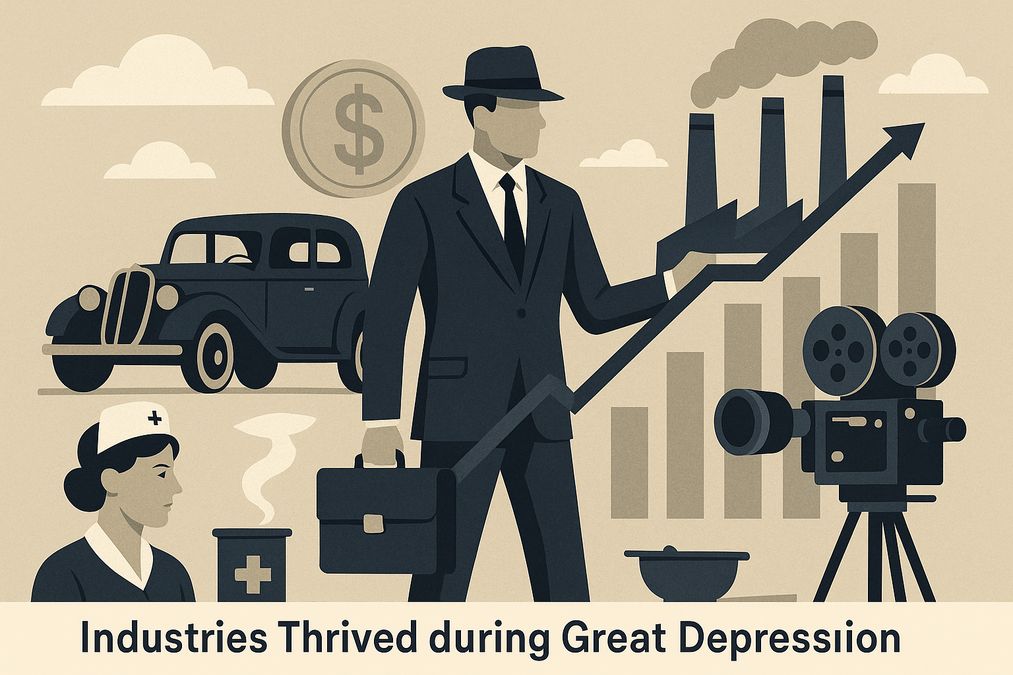
  • Toronto: industries that thrived in Great Depression era

    Toronto: industries that thrived in Great Depression era

    A 2026 Toronto guide to recession-resilient growth

    If you’re starting or growing a business in Toronto in 2026, there’s a powerful way to build resilience: study the industries that thrived in Great Depression era and adapt their strengths to today. While technology, consumer habits, and regulations have shifted, the human needs behind spending decisions haven’t. Torontonians still seek value, reliability, and community. This guide translates historical resilience into practical, modern steps you can use in Scarborough, North York, Etobicoke, downtown, or across the GTA—whether you’re launching a side hustle, opening a storefront, or scaling a startup.

    Below, you’ll learn which business models tended to hold up in hard times, why they worked, and how to deploy those lessons in 2026. You’ll also get a 90-day plan, Toronto-focused go-to-market ideas, and a toolkit to move faster with fewer missteps.

    Why look back at 1930s markets now?

    The Great Depression was a stress test for demand. Even with tight budgets, people still bought essentials, small comforts, and services that helped them save money or protect what they already owned. The winners weren’t always the biggest; they were the most relevant, efficient, and empathetic to customers’ realities. Their strategies—value pricing, durable products, repair services, lean operations, and local trust—still work today.

    For a quick primer on how those strategies evolved, see Business resilience lessons from Great Depression. Then come back here to convert those ideas into a Toronto-ready action plan.

    Industries that thrived in Great Depression era: key patterns

    Historically resilient businesses shared a few traits. Use this checklist to evaluate your idea or to refine your current model:

    • Essentials and repeat purchases: Groceries, household goods, hygiene products, basic apparel, and affordable healthcare continue regardless of the cycle.
    • Repair, maintenance, and reuse: When people delay big purchases, they fix and extend the life of what they have.
    • Small luxuries and escapism: Low-cost entertainment and cosmetics often hold steady—the “little treat” effect.
    • Value formats: Discount retail, private labels, bundles, and subscriptions that stretch budgets.
    • Trust and proximity: Local providers who listen, personalize, and deliver reliably.
    • Productivity and savings for businesses: Tools and services that cut costs, grow revenue, or free up time.

    Now, let’s translate those patterns into concrete Toronto opportunities you can launch or scale in 2026.

    Toronto-ready sectors inspired by the 1930s

    1) Essential food and household staples

    Consumer staples were resilient in the Great Depression because they meet non-negotiable needs. In Toronto today, that translates to budget-friendly groceries, cultural staples (halal, kosher, South Asian, East Asian, Caribbean, African), baby products, cleaning supplies, and hygiene basics. The competitive edge comes from assortment, price integrity, and convenience.

    Execution ideas for Toronto founders:

    • Neighborhood micro-grocer: Compact stores with high-turn essentials, culturally relevant items, and private-label basics to control costs.
    • Budget meal kits for families: Focus on $3–$5 per serving, weekly rotating recipes, and pre-portioned spices popular in local communities.
    • Staples subscription: Monthly deliveries of rice, flour, oil, diapers, cleaning agents; built-in discounts for prepayment.
    • Office pantry service: Simple, healthy snack-and-coffee packages to help small offices control costs while keeping teams happy.

    Metrics to watch: inventory turns, shrinkage, average order value, subscription retention, and on-time delivery rates.

    2) Repair, refurbish, and reuse

    When budgets tighten, Torontonians choose to repair phones, laptops, appliances, bikes, and cars; they also alter clothes or buy refurbished items. The business case is strong: predictable demand, decent margins, recurring revenue via maintenance plans, and a sustainability story that resonates.

    Execution ideas:

    • Mobile device repair kiosks in transit-friendly hubs and pop-ups at campus events.
    • Appliance tune-up subscriptions with priority service and annual safety checks for landlords and condos.
    • Furniture upcycling studio with local pickup and resale marketplace tie-ins.
    • Tailoring and shoe repair with rapid turnaround, SMS updates, and pickup/drop-off lockers.

    Pricing tip: Offer a free diagnosis tier and “good / better / best” repair options with transparent warranties.

    3) Low-cost entertainment and micro-escapes

    Even during the Great Depression, low-cost entertainment found demand. In Toronto, the modern versions include neighborhood events, indie cinemas, gaming lounges, cafes with board games, comedy nights, cultural showcases, and family-friendly matinees.

    Execution ideas:

    • Pay-what-you-can weekday shows paired with affordable snacks.
    • Membership passes that bundle a set number of visits, guest tickets, and small discounts on merchandise.
    • Pop-up film or music nights in community centers and parks; local sponsors offset ticket prices.

    Keep it inclusive: highlight family pricing, student deals, and community nights in multiple languages common in your area.

    4) Affordable grooming and cosmetics

    Small luxuries like cosmetics and grooming tended to persist historically, often called the “lipstick effect.” In Toronto, think efficient barbershops, budget-friendly salons, express services, refill stations for personal care, and basic skincare bundles.

    Execution ideas:

    • Express grooming bar: 20-minute cuts, quick facial grooming, and simple blowouts at clear, low prices.
    • Refill station for soap, shampoo, conditioner, and deodorant—discount for bringing containers.
    • Starter skincare kits with subscription refills and skin-type quizzes in English plus the key languages of your neighborhood.

    Upsell with care plans rather than expensive single treatments; loyalty earns every fifth service free or discounted.

    5) Education, training, and upskilling

    In tough markets, people invest in skills that boost income or career resilience. Short, practical programs do well—especially those tied to in-demand roles or business growth.

    Execution ideas:

    • Micro-credentials: customer service excellence, sales fundamentals, bookkeeping, project coordination, AI-assisted productivity.
    • Language-plus-career tracks (e.g., conversational English or French tailored to retail, hospitality, or tech support).
    • Entrepreneur bootcamps for side hustlers: pricing, marketing, cash flow, and compliance basics.

    Partnerships: community centers, faith-based venues, and libraries can extend your reach and reduce facility costs.

    6) Health, wellness, and community care

    Healthcare and basic wellness remain priorities. In Toronto, viable models include paramedical services (physio, chiro, massage), dental hygiene clinics, community mental wellness programs, and group fitness built around short, affordable sessions.

    Execution ideas:

    • Hybrid care: tele-consults for triage plus in-person visits for treatment; budget-friendly memberships.
    • Group wellness programs addressing stress management and sleep hygiene; offer employer packages for small teams.
    • Micro-gyms and class packs: 30-minute sessions, no long-term contracts, community accountability.

    Focus on accessibility: sliding scales, clear pricing, and multilingual intake forms build trust and volume.

    7) Home energy efficiency and utilities support

    Utilities and energy-related services are historically steady. For Toronto homeowners, tenants, and landlords, services that reduce bills can thrive: weatherization, basic efficiency audits, smart thermostats, air sealing, and water-saving fixtures.

    Execution ideas:

    • Quick-start energy check: a low-cost visit with prioritized action list, ROI estimates, and referrals to vetted contractors.
    • Landlord packages for small multiplexes: seasonal maintenance plans and unit-by-unit upgrade calendars.
    • Tenant education kits: simple device bundles and guides to reduce electricity and water use.

    Build credibility with before/after data, photos, and testimonials. Keep recommendations practical and cost-aware.

    8) Logistics, local delivery, and last-mile services

    Even in down cycles, people value convenience that saves time and money. Toronto’s dense neighborhoods open opportunities in last-mile delivery, returns management, micro-warehousing, and e-cargo bike routes that beat traffic and parking.

    Execution ideas:

    • Returns-as-a-service for small e-commerce brands; bundle pickup across multiple merchants for efficiency.
    • Shared micro-fulfillment hubs for several local shops with same-day delivery zones.
    • Subscription pickup windows for seniors or busy families (pharmacy, parcels, groceries).

    To stand out, publish clear delivery windows, real-time tracking, and proactive delay alerts.

    9) B2B savings software and services

    Businesses pay for tools that cut costs, raise revenue, or reduce hassle. That was true in the 1930s for process innovations, and it’s true now for software and services.

    Execution ideas:

    • Lean bookkeeping and cash-flow coaching for small businesses; integrate with popular POS and invoicing platforms.
    • No-code automation bundles that remove repetitive admin from retail, clinics, and trades.
    • Procurement co-ops for shared bulk discounts on staples, packaging, or office supplies.

    Proof wins trust: show before/after numbers, case studies, and quick pilots that deliver value in weeks, not months.

    10) Community nonprofits and public partnerships

    Public and nonprofit demand often persists and can be more predictable. In Toronto, opportunities include workforce programs, youth enrichment, senior services, cultural initiatives, and newcomer support—delivered by small vendors with strong impact and compliance.

    Execution ideas:

    • After-school enrichment delivered through community partners with clear outcomes and parent satisfaction metrics.
    • Digital literacy and job search bootcamps for newcomers; employer connections are a plus.
    • Wellness workshops that combine education with take-home kits funded by sponsors.

    Master simple proposals, transparent pricing, and outcome reporting to build recurring relationships.

    Pricing and offers that reflect real Toronto budgets

    A common thread among industries that thrived in Great Depression era was value-driven pricing. In 2026, align your offers with how Torontonians actually budget and buy:

    • Bundle essentials: Good/Better/Best packages that make the “middle” option the smart default.
    • Subscriptions with pause options: Build loyalty without locking people into long commitments.
    • Transparent price ladders: Itemize what customers get at each level to reduce choice anxiety.
    • Family or household pricing: Multi-user access for services; multi-item savings for products.
    • Community nights and off-peak deals: Fill lull periods while supporting neighbors who need a break on price.

    Test prices in micro-pilots. Small sample sales, quick surveys, and A/B offers in different neighborhoods help you find the right balance between fairness and margins.

    Cash flow, funding, and risk controls for 2026

    Resilience is as much about cash discipline as it is about sales. Borrow a few playbook moves from historically resilient operators:

    • 13-week cash flow forecast updated weekly; compare actuals to plan and act fast on gaps.
    • Break-even math for each offer and channel so you know what to push, pause, or pivot.
    • Inventory sanity: target turns, reorder points, and small-batch tests before big commits.
    • Receivables and payables rhythm: early-pay incentives for customers; negotiate terms with suppliers.
    • Contingency mini-fund: set aside a modest buffer for equipment fixes or quick pivots.

    For an end-to-end crisis playbook aligned to today’s realities, see How Businesses Weather Financial Crises Effectively (2026). Apply one improvement per week; momentum compounds.

    Go-to-market for Toronto neighborhoods

    Toronto isn’t one market—it’s many micro-markets with different languages, incomes, and tastes. Approach growth block-by-block, not one-size-fits-all:

    • Local search first: Complete your Google Business Profile, add accurate hours, use neighborhood keywords, and post weekly updates.
    • Culturally fluent content: Offer materials in the top languages around your store or delivery zone; highlight community-relevant products.
    • Partners, not just ads: Team up with schools, cultural centers, places of worship, and tenant associations.
    • Transit-aware setup: Choose locations and delivery windows that match real commuting patterns.

    Many founders in the wider region bring practical, frugal models that win in the city as well. For perspective on cross-regional strengths, read Why Rural Small Business Owners Succeed in Toronto in 2026.

    Marketing that earns trust without overspending

    During hard times, people scrutinize claims and stick with providers who keep promises. Build a marketing engine centered on proof and community:

    • Proof library: Before/after photos, short video testimonials, and simple case studies.
    • Operational transparency: Publish service levels (on-time rates, repair turnaround), especially if they’re improving.
    • Educational content: Practical tips that help people save money or get more from what they already own. It positions you as a helpful neighbor.
    • Referral flywheel: Give rewards that feel like a thank-you, not a bribe—store credit, free add-ons, or community donations.

    SEO note: Build topic clusters around timeless needs. A hub page can explain how industries that thrived in Great Depression era inform modern choices; satellite posts can go deep on repairs, savings, and budget-friendly bundles relevant to Toronto residents.

    Tools and partners to accelerate execution

    When assembling your stack, prioritize simplicity, cost control, and support. Consider these players in the Toronto entrepreneurial ecosystem:

    • ABC of Business: Training, workshops, and practical information for new entrepreneurs, small businesses, and startups—tools you can use right away to become more successful in the game of business.
    • Shopify: Canadian e-commerce backbone with easy POS integrations for hybrid retail.
    • Square or Stripe: Simple payments, invoicing, and subscription billing.
    • Wave or QuickBooks: Accounting, invoicing, and basic cash-flow views; connect your bank for real-time tracking.
    • HubSpot or Mailchimp: Lightweight CRM and email automations with free tiers.
    • Canva: Affordable design for signs, menus, promos, and social content.
    • Trello, Notion, or Asana: Keep tasks, SOPs, and checklists organized for small teams.
    • Toronto Public Library resources: Business research databases, market reports, and workshops accessible with a library card.
    • MaRS Discovery District and local incubators: Community, mentorship, and programming for growth-focused founders.

    Pick the minimum viable stack and add only when a new tool clearly pays for itself.

    Your 90-day plan to launch or strengthen a resilient business

    Days 1–30: Validate and clarify

    • Interview 15–20 target customers across two neighborhoods; ask how they currently solve the problem and what they pay.
    • Run a pop-up, pilot, or pre-order to test real demand and price sensitivity.
    • Map a basic unit economics model: cost of goods or service time, price, gross margin, and break-even volume.
    • Draft your first 13-week cash flow and tighten expenses to protect your runway.

    Days 31–60: Build and sell

    • Finalize a Good/Better/Best offer with clear inclusions and a simple guarantee.
    • Set up local SEO, basic website, and two social channels where your buyers are active.
    • Form 3–5 community partnerships for distribution, events, or bundled offers.
    • Start a proof engine: collect testimonials, run before/after pilots, and publish quick wins.

    Days 61–90: Systematize and scale

    • Document standard operating procedures for the top 5 recurring tasks; train a backup.
    • Negotiate supplier terms; explore co-ops or bulk buys with nearby businesses.
    • Launch a referral program with authentic rewards and monthly recognition.
    • Review your cash flow weekly; double down on what’s profitable and pause low-return experiments.

    Common pitfalls to avoid

    • Complex offers that confuse buyers—keep tiers clear and names simple.
    • Overbuying inventory or equipment before you have proof of demand.
    • Ignoring unit economics in favor of “growth at all costs.” Resilience comes from healthy margins.
    • Underestimating local differences—what sells in one neighborhood may need adjustments in another.
    • Marketing claims without proof—collect and show evidence early and often.

    Metrics that matter

    • Sales: revenue by product, channel, and neighborhood.
    • Profit: gross margin per SKU/service and contribution margin after variable costs.
    • Demand quality: repeat rate, subscription retention, and referral share.
    • Operational reliability: on-time delivery/turnaround and first-time fix rates.
    • Cash health: runway months, receivables days, and inventory turns.

    FAQ: applying lessons from industries that thrived in Great Depression era

    Which sectors from the 1930s are most relevant to Toronto now?

    Consumer staples, repair and maintenance, low-cost entertainment, affordable grooming, basic healthcare, education/upskilling, energy-efficiency services, last-mile logistics, and B2B savings tools align well with how Torontonians spend in 2026.

    How do I avoid feeling “cheap” while offering value?

    Lead with quality at each price tier, publish clear inclusions, and back it with a fair guarantee. Value isn’t about cutting corners; it’s about solving the core job at a fair price.

    What’s the fastest way to validate demand?

    Offer a time-bound pilot to a tightly defined segment, collect pre-orders or deposits, and set a specific success metric (e.g., 30 paying customers in 14 days). Adjust quickly based on feedback.

    How do I market without a big budget?

    Own local search, partner with community organizations, and build a small proof library. Encourage referrals with authentic, useful rewards like store credit or free add-ons.

    Can a premium brand thrive in a value-focused market?

    Yes—if it delivers a clear, defensible benefit (durability, expertise, time savings) and proves it. Some customers trade up to products that last longer or services that remove stress.

    Bringing it all together

    The clearest message from industries that thrived in Great Depression era is that resilience grows from relevance. In Toronto, relevance means meeting essential needs with dignity, saving people time and money, and delivering a dependable experience that neighbors recommend to neighbors. Whether you sell staples, repair services, wellness programs, affordable entertainment, or B2B efficiency tools, the winning formula is consistent: listen closely, price fairly, prove outcomes, and run a tight cash engine.

    If you want help turning these ideas into a focused plan for your business, training your team, or pressure-testing your numbers, reach out to a local partner that understands the grind and the opportunity. Ready to take the next step? Contact ABC of Business at https://abcofbusiness.com/contact/.

  • Successful Business Strategies During Economic Recessions

    Successful Business Strategies During Economic Recessions

    If you run a startup or small business in Toronto in 2026, you’ve likely felt the effects of a cooling economy: slower sales cycles, tighter credit, and customers who are more cost-conscious. While recessions can be intimidating, they’re also periods when nimble entrepreneurs gain market share and build resilient companies. This in-depth guide breaks down successful business strategies during economic recessions, tailored for Toronto’s unique business landscape. You’ll find practical steps, tools, and examples you can apply immediately—whether you’re just launching or trying to stabilize and grow an existing venture.

    Successful Business Strategies During Economic Recessions: Toronto Playbook 2026

    Recessions don’t treat all businesses equally. Firms that adapt quickly, focus on cash, and double down on customer value often exit downturns stronger. The goal is not just to “survive,” but to use this period to retool, refine your offer, and outperform competitors.

    What a Recession Means for Toronto Entrepreneurs

    In Toronto, downturns typically bring tighter consumer and B2B spending, more selective lenders, and an emphasis on proven ROI. But the city’s diverse economy—tech, professional services, construction, retail, food, and creative industries—also creates pockets of steady demand. When you narrow your targeting, strengthen value delivery, and optimize costs, you can still grow.

    Mental Model: Stabilize, Strengthen, Scale

    • Stabilize: Protect cash flow and extend your runway. Cut waste, not value.
    • Strengthen: Improve your offer, pricing, and service quality. Lock in loyal customers.
    • Scale: When signals turn positive—or competitors retreat—double down on what works.

    1) Cash-Flow First: Your 2026 Financial Triage

    Cash is your oxygen during a downturn. Profit on paper is less important than cash in the bank. Build a 13-week cash-flow forecast updated weekly. Flag all inflows and outflows so you can make fast, informed decisions.

    Immediate Actions

    • Audit expenses line by line. Cancel or pause non-essential software, subscriptions, and unused services.
    • Renegotiate terms with suppliers and landlords. Ask for extended payment terms or temporary discounts in exchange for longer commitments.
    • Accelerate receivables. Offer small discounts for early payments or use structured payment plans to ease client cash strain while protecting your own inflow.
    • Sequence payables. Pay mission-critical vendors first. Communicate proactively with others to avoid surprises.

    Runway Extensions

    • Convert fixed costs to variable where possible (e.g., shift from long-term leases to flexible arrangements).
    • Right-size your team without losing capability; consider fractional roles or contractors to maintain expertise on demand.
    • Phase projects to spread costs over time while validating demand early.

    2) Customer Value: Retention Before Acquisition

    Acquiring new customers gets harder in recessions. Retention becomes the growth engine. Your strategy should combine improved service, measurable ROI, and frequent value communication.

    Retention Playbook

    • Map your top 20% of customers by revenue and profit. Schedule routine check-ins focused on outcomes, not just renewals.
    • Create tiered service packages with clear deliverables and response times. This lets cost-sensitive clients downshift instead of churn.
    • Offer success plans. Define the client’s goals, metrics, and milestones, then report progress regularly.
    • Launch a loyalty or referral program. Reward advocacy with credits, upgrades, or added services.

    Proof Over Promises

    During a downturn, evidence beats hype. Document before-and-after results, publish case examples, and quantify benefits (e.g., “Reduced processing time by 35%” or “Saved $2,400 per quarter”). Keep claims accurate and verifiable.

    3) Pricing, Packaging, and Offers

    Price is a story about value. In recessions, buyers prioritize certainty and ROI. Rework offers to lower perceived risk without racing to the bottom on price.

    Smart Pricing Moves

    • Bundle services into outcomes. Replace hourly billing with fixed-fee packages tied to deliverables.
    • Introduce “starter” tiers. Let price-sensitive customers try you with a low-risk entry plan.
    • Offer terms where it makes sense. Split payments across milestones to smooth cash for both sides.
    • Use guarantees carefully. Offer performance checkpoints or partial refunds linked to agreed milestones.

    Value Engineering

    Identify features customers value least and remove or make them optional. Reinforce the core benefits they care about most—speed, reliability, compliance, or revenue impact. Keep messaging simple and outcome-driven.

    4) Lean Operations: Do More With Less (But Better)

    Operational discipline turns stress into strength. The aim is not just to cut costs—it’s to improve quality, predictability, and throughput.

    Process Tightening

    • Map your key workflows. Document who does what, when, and how success is measured.
    • Automate repetitive tasks (invoicing, follow-ups, scheduling) to reduce errors and free time for higher-value work.
    • Standardize deliverables with templates, checklists, and SOPs so quality stays high even as volume changes.

    Quality as a Sales Tool

    Consistent delivery builds trust and referrals. Show prospects your process checklist and quality controls—proof that you’ll deliver even when the market is chaotic.

    5) Marketing That Works in a Downturn

    When budgets tighten, vanity marketing fades. What remains are channels that reliably generate leads and revenue. Focus on clarity, not complexity.

    Message-Market Fit

    • Speak to urgent pains: cash flow, compliance, efficiency, sales growth, risk reduction.
    • Use simple messaging: “Cut your onboarding time by 50%” is more powerful than vague promises.
    • Localize: Reference Toronto neighborhoods or industries (e.g., Queen West retail, Scarborough trades, North York clinics) where relevant.

    Channels to Prioritize

    • Direct outreach and account-based marketing for B2B—personalized, problem-focused messages.
    • Educational content that proves expertise: short how-to videos, checklists, and case snapshots.
    • Partnerships with complementary businesses to co-host webinars or share audiences.

    For a strategic perspective on planning beyond traditional documents, explore how strategy supplants static planning in the Toronto context by reading Effective Business Strategies Replacing Business Plans in Toronto.

    6) Sales Systems: Predictable Pipelines

    In recessions, long sales cycles and indecision can stall deals. A clear sales system keeps momentum.

    Pipeline Discipline

    • Define stages with exit criteria (Discovery, Problem Fit, Solution Fit, Proposal, Commit, Won/Lost).
    • Weekly pipeline reviews: prune stale deals, identify next actions, and time-block outreach.
    • Proposal simplicity: one-page summaries with scope, timeline, outcomes, investment, and terms.

    Risk Reversal

    • Pilots and paid trials validate value before full rollouts.
    • Milestone billing aligns cost with progress.
    • Post-implementation reviews reduce buyer’s remorse and create upsell paths.

    7) Talent Strategy: Flexible and Focused

    Your team is your edge. In 2026, hybrid work and fractional talent are standard. Build a right-sized roster while keeping morale high.

    Hiring and Capacity

    • Anchor on must-have competencies tied to revenue, delivery, or compliance.
    • Use contractors for spikes or specialties; convert to full-time when volume stabilizes.
    • Cross-train staff so coverage remains strong if someone is out or volume jumps.

    Culture Under Pressure

    • Communicate transparently about targets, cash, and priorities.
    • Recognize wins publicly. Small celebrations sustain momentum.
    • Invest in training that directly improves outcomes (sales, client success, automation).

    8) Financing and Risk Management

    Capital access can tighten in a recession, but planning reduces stress. Review your financing options early and maintain a buffer.

    Responsible Capital

    • Maintain a relationship with your bank before you need credit. Provide timely financials.
    • Avoid high-cost debt that strains cash flow. Model repayment scenarios.
    • Explore non-dilutive options first when possible and review eligibility requirements on official sources before applying.

    Risk Controls

    • Set credit limits and terms by customer segment based on payment history and risk.
    • Use contracts and SOWs with clear scope, change management, and payment milestones.
    • Back up critical data, document processes, and maintain vendor redundancies for continuity.

    9) Innovation and Pivots That Win in Toronto

    Downturns reward businesses that solve overlooked problems. Look for friction—long waits, confusing pricing, outdated processes—and design a simple, affordable solution.

    Where to Find Opportunity

    • Adjacent customer segments who share the same problem (e.g., turning a solution for downtown agencies into a package for suburban clinics).
    • Verticalization: refit your general service to a specific industry with tailored compliance and workflows.
    • Unbundling: carve out a high-demand component of your offer and sell it standalone.

    Testing Ideas Fast

    • Interview 10–15 prospects. Validate the pain and willingness to pay.
    • Sell the outcome before you build the full solution. If no one buys, iterate.
    • Measure traction by meetings booked, proposals sent, and early conversions.

    10) Compliance and Setup for New Founders in 2026

    If you’re starting fresh this year, get the fundamentals right: business name, structure, registrations, and basic contracts. Strong foundations make you more resilient when the market shifts.

    For a step-by-step overview tailored to local rules and timelines, see How to Register a Small Business in Toronto Ontario: 2026 Guide.

    11) Systems, Metrics, and Decision Speed

    In a recession, the best strategy is fast learning. Turn your business into a measurement machine so you can move decisively.

    Core Metrics to Track Weekly

    • Leads by channel and cost per lead
    • Pipeline value, stage distribution, and win rate
    • Customer acquisition cost (CAC) and payback period
    • Gross margin by product/service
    • Cash burn and runway
    • Net revenue retention (NRR) and churn

    Cadence and Accountability

    • Weekly leadership stand-up: metrics, blockers, decisions.
    • Monthly strategy review: what to stop, start, continue.
    • Quarterly roadmap: 3–5 initiatives tied to specific outcomes.

    12) Marketing and Sales Tools to Consider in 2026

    Use a lightweight stack that pays for itself quickly. Keep tools focused on revenue and operational efficiency.

    • ABC of Business: Local training, workshops, and practical resources that help Toronto entrepreneurs and startups build skills, pressure-test strategies, and execute confidently.
    • CRM and outreach tools: Track deals, automate follow-ups, and schedule meetings efficiently.
    • Accounting and cash-flow tools: Real-time P&L, invoicing, and receivables automation.
    • Project management and SOP tools: Standardize delivery and maintain quality.
    • Analytics dashboards: Visualize KPIs to drive weekly decisions.

    Adopt new tools only if they clearly improve speed, accuracy, or revenue. Pilot with a small team, document the ROI, then scale.

    13) Operations Playbooks for Toronto Sectors

    Professional Services (Agencies, Consultants, Accountants)

    • Create fixed-scope, fixed-fee packages by outcome (audit, implementation, training).
    • Offer retainer tiers so clients can downshift without leaving.
    • Publish mini case examples with measurable results.

    Trades and Home Services

    • Guarantee appointment windows and transparent quotes.
    • Introduce maintenance plans to smooth seasonality and boost recurring revenue.
    • Partner with property managers and realtors for steady referrals.

    Retail and Food

    • Emphasize best-sellers and profitable SKUs. Reduce slow-moving inventory.
    • Offer bundles and subscriptions (e.g., curated boxes, office snack plans).
    • Use pre-orders to validate demand and fund inventory.

    Tech and SaaS

    • Prioritize features tied to cost savings or revenue generation.
    • Offer pilots with outcome checkpoints; publish ROI calculators.
    • Build integrations for key Toronto industries to reduce switching friction.

    14) Partnerships and Ecosystem Leverage

    Collaboration shortens sales cycles and reduces costs. Identify non-competing businesses that serve the same customer.

    Ways to Partner

    • Co-marketing: Joint webinars, guides, or local events.
    • Referral arrangements with clear criteria and tracking.
    • Bundled offers that combine services into a complete solution.

    For couples running a venture together, strong partnership habits are crucial, especially under stress. Gain practical insight from Top Tips for Married Couples Running a Business in Toronto.

    15) 90-Day Recession Action Plan

    Here’s a practical roadmap to apply over the next three months. Adapt it to your size and sector.

    Days 1–30: Stabilize

    • Finance: Build a 13-week cash-flow model; cut or pause non-critical spend; renegotiate terms.
    • Customers: Identify top 20% by profit; schedule check-ins; create tiered retention offers.
    • Sales: Define pipeline stages and exit criteria; refresh outreach scripts focused on urgent pains.
    • Operations: Document top 3 processes; implement quick automations; standardize deliverables.
    • Team: Clarify roles; set weekly metrics; start cross-training.

    Days 31–60: Strengthen

    • Pricing: Package outcomes; introduce starter tier; test milestone billing.
    • Marketing: Publish two educational assets; host a joint webinar with a partner.
    • Proof: Collect two mini case examples with quantified results.
    • Tools: Pilot one system that measurably improves speed or accuracy.
    • Risk: Tighten contracts; set credit limits; back up critical systems.

    Days 61–90: Scale What Works

    • Double spend (time or budget) on the top-performing channel.
    • Expand partnership program; formalize referral criteria.
    • Launch upsell/cross-sell to existing customers using outcome-focused offers.
    • Recruit fractional specialists for bottlenecks (e.g., SDR, ops, CRO).
    • Quarterly review: stop what’s underperforming; commit to three high-impact initiatives.

    16) Common Pitfalls to Avoid

    • Cutting value drivers instead of waste. Protect what customers actually pay for.
    • Slashing marketing completely. Keep a presence in channels with measurable ROI.
    • Chasing every trend. Prioritize moves with clear, near-term impact.
    • Ignoring existing customers. Retention and expansion are the fastest paths to resilient revenue.
    • Flying blind. Track a short list of KPIs and meet weekly to decide.

    17) Local Advantage: Why Toronto Is Still a Great Place to Build

    Toronto remains one of North America’s most dynamic markets. A diverse economy, world-class talent pool, and dense network of partners and mentors mean you can find the customers, skills, and support you need—even in a downturn. Your job is to narrow focus, deliver concrete value, and move faster than competitors weighed down by complexity.

    18) Quick Reference: Your Recession-Ready Toolkit

    Use this short checklist to keep your momentum.

    • Cash: 13-week forecast, expense audit, supplier/landlord renegotiations.
    • Customers: Tiered packages, success plans, loyalty/referral program.
    • Offers: Outcome-based pricing, starter tiers, milestone billing.
    • Operations: SOPs, automation for repetitive tasks, standardized deliverables.
    • Sales: Defined pipeline stages, weekly reviews, simple proposals.
    • Marketing: Pain-focused messaging, educational content, partnerships.
    • Metrics: CAC, payback, gross margin, runway, NRR, churn.
    • People: Cross-training, fractional talent, transparent comms.
    • Partners: Co-marketing, referrals, bundled solutions.
    • Support: ABC of Business for training, workshops, and practical guidance tailored to Toronto founders.

    Conclusion: Turn Uncertainty Into Advantage

    Recessions reward clarity, courage, and discipline. By focusing on cash flow, customer value, and repeatable systems, you not only protect today’s business—you also build a stronger company for the recovery. Use the strategies in this guide to stabilize, strengthen, and scale during a challenging 2026. If you need structured support to plan, prioritize, and execute, reach out for local expertise.

    Ready to move from ideas to action? Contact ABC of Business for training, workshops, and guidance tailored to Toronto founders and small businesses at https://abcofbusiness.com/contact/.

  • How Businesses Weather Financial Crises Effectively (2026)

    How Businesses Weather Financial Crises Effectively (2026)

    Toronto entrepreneurs are resilient by nature. From the bustling core at Yonge–Dundas to fast-growing corridors in Scarborough, North York, Etobicoke, and the waterfront, our city is powered by bold founders. Yet even the most driven teams can feel uncertain when economic headwinds pick up. If you are starting fresh or scaling a small business in 2026, you might be asking how businesses weather financial crises effectively without losing momentum or burning out.

    This in-depth guide focuses on practical steps you can use right now in Toronto: how to protect cash, keep customers, streamline operations, and make confident decisions even in an unpredictable economy. You will find simple frameworks, local context, and tools you can adopt in days—not months. Whether you run a cafe in Leslieville, a renovation crew serving the GTA, a boutique agency on Queen West, or a SaaS startup near the Innovation Corridor, the playbook below will help you build durability and grow smarter.

    How businesses weather financial crises effectively in 2026

    Financial shocks can come from many directions: changes in interest rates, shifting consumer demand, supply chain disruptions, or sector-specific slowdowns. Regardless of the source, durable businesses respond with three qualities: clarity, speed, and focus. Clarity means seeing your real numbers clearly and often. Speed means acting quickly when the data changes. Focus means concentrating resources on the few moves that matter most.

    Principle 1: Protect cash first

    Cash keeps the lights on and buys you time to make better decisions. In a crisis, many Toronto founders try to solve everything at once. A better approach is to create a cash shield immediately, then expand your strategy as breathing room grows.

    • Know your runway: Track how many weeks of operating expenses you can cover with current cash and predictable inflows.
    • Switch to a 13-week cash flow view: A quarter-by-quarter annual budget is too slow in 2026 volatility. A rolling 13-week forecast shows your near-term reality.
    • Prioritize collections: Follow up on receivables daily. Offer small early-pay discounts to customers who can pay now.
    • Sequence payables: Triage bills by consequence and relationship, and negotiate revised terms where possible.
    • Freeze nonessential spend: Pause nice-to-have subscriptions, vanity projects, and unproven experiments for 30–60 days.

    Principle 2: Keep revenue flowing—then optimize margins

    Cutting costs alone rarely saves a business. The core question is how to keep revenue moving even if average order size or volume dips. Focus on customer segments that show steady demand in Toronto and the GTA. Create offers that reduce friction, emphasize value, and meet customers where they are financially.

    • Make it easier to buy: Add smaller packages, prepaid bundles, or “starter” tiers that reduce commitment anxiety.
    • Re-sell to current customers: Cross-sell a related service, add maintenance plans, or offer subscription-like bundles where appropriate.
    • Improve margins at the edges: Simplify SKUs, standardize deliverables, and remove low-margin options that drain capacity.
    • Sell outcomes, not hours: Shift messaging to emphasize cost savings, reliability, and risk reduction—what matters in 2026.

    If you are evaluating resilient opportunities for new revenue streams, consider sectors that tend to sustain demand during downturns. For inspiration tailored to our city, see Top Boring Businesses That Thrive in 2026 Recession: Toronto Guide.

    Principle 3: Plan in scenarios, not certainties

    Forecasts are guesses. In a crisis, create three versions of your plan: base case, downside, and severe downside. Tie actions to each scenario so you do not hesitate if conditions worsen.

    • Base case: Conservative revenue, realistic costs, modest growth projects continue.
    • Downside: Flat or declining revenue, tightened expenses, hiring pause, stronger collections plan.
    • Severe downside: Focus on core products and profitable segments only, renegotiate major contracts, temporary pay adjustments, and deeper vendor term extensions.

    Update these scenarios every two to four weeks as new information appears. Document trigger points—specific revenue declines, cash thresholds, or order trends—that automatically move you to the next scenario. This avoids emotional decision-making.

    Principle 4: Focus on unit economics and contribution margin

    Weathering a crisis is not only about aggregate profit and loss—it is about the profitability of each sale. In 2026, closely measure unit economics for your flagship offers:

    • Contribution margin: Price minus direct variable costs (labour tied to delivery, materials, payment fees, shipping).
    • Fully-loaded profitability: Contribution margin minus fair share of overhead (rent, admin, tools).
    • Payback period: How long it takes a customer to repay acquisition cost (ads, sales time, onboarding).

    Eliminate low-margin options or reprice them. Bundle to raise average order value without increasing delivery complexity. In services, standardize how you scope and quote so you do not give away time for free.

    Principle 5: Preserve trust with transparent communication

    Communication can be your strongest asset in a downturn. Customers, employees, suppliers, and lenders value prompt, honest updates. Toronto is a relationship-driven market; your reputation for integrity can determine whether partners extend terms, customers stay, and top talent remains.

    • For customers: Set clear expectations on timelines, inventory availability, and any temporary policy changes. Offer proactive alternatives.
    • For your team: Share the plan and how you are tracking weekly. Recognize wins and show progress toward stability.
    • For suppliers and landlords: Bring a structured proposal—short-term relief with a schedule to catch up.
    • For lenders: Provide regular, consistent updates rather than waiting until covenants are close.

    Principle 6: Move fast with a 72-hour triage and a 30-60-90 plan

    Create momentum by acting in tight cycles. In the next 72 hours, make decisions that extend runway and protect revenue. Then build a 30-60-90 day plan with milestones.

    72-hour triage (examples):

    • Shift to a 13-week cash forecast and daily cash stand-up.
    • Freeze noncritical spend; cancel duplicate software tools.
    • Call your top 20% customers to check needs and offer value-aligned options.
    • Prioritize collections with a daily follow-up schedule.

    30-60-90 day plan (examples):

    • 30 days: Launch a streamlined product or package; negotiate supplier terms; create scenario triggers.
    • 60 days: Systematize referral program; optimize pricing based on contribution margin; pilot a subscription or maintenance plan.
    • 90 days: Reassess talent needs; invest in channels that showed the best payback; document your crisis playbook for the future.

    Revenue plays that work in Toronto (2026)

    Local habits matter. In Toronto, customers expect professionalism, value, and reliability. They also seek clarity—especially when budgets are tight. The following revenue plays tend to work well across neighbourhoods and within the broader GTA:

    1) Value-based packaging

    Instead of tiers that vary only by features, package around outcomes: faster turnaround, predictable monthly care, or guaranteed service windows. For example, a home services company can sell a Priority Care Plan with a small monthly fee, scheduled seasonal visits, and priority emergency support. A boutique agency can create a “Revenue Recovery Sprint” focusing on conversion optimization instead of generic marketing hours.

    2) Small-commitment entry points

    Offer paid diagnostics, audits, or starter kits that lead naturally to larger work. The lower up-front cost reduces risk for cautious buyers while keeping your calendar busy. The key is to design a clear path from starter offer to core package.

    3) Prepaid bundles and subscriptions

    Prepaid credits stabilize cash flow for you and offer savings for clients. For example, cafes can sell monthly drink passes with limited daily redemptions; service pros can bundle multi-visit packages at a slight discount; agencies can build managed subscriptions with defined outputs.

    4) Local partnerships

    Toronto has dense, complementary ecosystems. Share customers through co-marketing with non-competing neighbours, bundle offers across industries (e.g., home renovation plus cleaning and landscaping), or create referral agreements where incentives are tracked and fair.

    5) Counter-cyclical niches

    Even in downturns, some needs rise: repairs over replacements, maintenance over upgrades, cost-saving tech over experimental projects. Build messaging around reliability, savings, compliance, and safety. If you are exploring which niches are resilient in 2026, the insights in Top Boring Businesses That Thrive in 2026 Recession: Toronto Guide can spark ideas tailored to our city.

    Cost control without hurting the customer experience

    Cutting costs should not erode your brand or drive away your best customers. Concentrate on structural efficiency and waste reduction rather than blanket cuts.

    Turn fixed costs variable where possible

    • Negotiate revenue-tied fees for services like warehousing or delivery.
    • Shift from long-term leases to flexible arrangements where it makes sense.
    • Use fractional expertise (finance, legal, operations) until volume supports full-time hires.

    Standardize, then automate

    • Document your top three processes end-to-end (e.g., intake to delivery). Remove overlap, handoffs, and custom work that adds little value.
    • Automate only after simplification; automation magnifies good systems and bad ones.
    • Track cycle time and defects. Shorter cycles and fewer errors usually mean lower costs and happier customers.

    Renegotiate with respect

    Most suppliers would rather keep you as a long-term customer than lose you entirely. Come with data, a specific proposal, and a plan to return to standard terms as conditions improve. Goodwill is a currency in Toronto’s close-knit sectors.

    Cash flow control: 13-week forecast that works

    A 13-week cash forecast is a weekly view of cash in and cash out over the next quarter. It should be simple enough to update in 30 minutes per week and detailed enough to drive decisions.

    What to include

    • Beginning cash each week.
    • Expected receipts by customer or segment.
    • Essential disbursements (payroll, rent, cost of goods, taxes, minimum debt service).
    • Nonessential or flexible disbursements (marketing tests, expansions, discretionary purchases).
    • Ending cash and runway in weeks.

    Tools Toronto founders can use right now

    • Spreadsheets (Google Sheets or Excel) with a 13-week template for speed and clarity.
    • Wave (Toronto-born) or QuickBooks for invoicing, receivables, and categorization.
    • Project/time tracking tools that feed your forecasting with earned vs. billed work.
    • ABC of Business for training, workshops, and practical information you can use as tools to improve cash discipline and forecasting.

    Hold a 20–30 minute weekly “cash huddle” with your leadership or bookkeeper. Update actuals, revise projections, and decide the one to three actions that move the needle in the next seven days.

    Financing and support options to explore (2026)

    External capital can extend runway or fund growth, but it is not a substitute for healthy unit economics. Consider financing options that fit your business model and risk tolerance.

    • Bank lines of credit secured by receivables or inventory can smooth timing gaps for established firms.
    • Equipment financing can be helpful if new machinery reduces costs or opens high-margin capacity.
    • Purchase order financing can bridge confirmed orders for product businesses.
    • Non-dilutive options (where available) may include loans and programs designed for Canadian small businesses; always confirm current eligibility and terms in 2026.
    • Equity or revenue-based financing for startups with repeatable, growing demand—ensure your payback math is clear.

    Keep your lender updated and share your 13-week cash view. Transparent communication increases trust and flexibility when you need it most.

    People, culture, and leadership under pressure

    During a financial shock, your team looks to you for direction and calm. Preserving morale while making changes is a balancing act—but it is achievable with honesty and respect.

    • Explain the “why” behind decisions and show the plan to recovery. People handle tough news better when they see a path forward.
    • Protect your top performers. Retaining your best people shortens recovery time and lowers hidden costs of turnover.
    • Invest in skill-up: Short, targeted training can unlock productivity and better margins. Cross-training adds flexibility to scheduling and delivery.
    • Recognize wins weekly. Small celebrations fuel momentum in challenging months.

    How long should small businesses plan to last? (2026 reality)

    One of the most common questions we hear is: how long do small businesses realistically last in Canada, and what can owners do to increase their odds? For current perspective and benchmarks you can use in planning, read How Long Do Small Businesses Last in Canada? 2026 Guide. The big takeaway: business longevity is not about luck; it is about systems—cash discipline, consistent customer acquisition, and repeatable delivery. The strategies in this guide add the kind of resilience that increases your staying power in Toronto’s competitive market.

    Mistakes to avoid in a 2026 crisis

    Downturns expose weak spots. Avoid common traps and you will recover faster than competitors.

    • Waiting too long to cut or to sell: Make decisive moves early and measure results weekly.
    • Cutting across the board: Use a scalpel, not a hammer—protect profitable lines and proven channels.
    • Chasing every idea: Double down on what works; test one new thing at a time.
    • Ignoring customer conversations: Talk to customers weekly; their needs reveal revenue opportunities.
    • Hiding from suppliers or lenders: Proactive, honest communication creates options.

    For a focused checklist of pitfalls and how to sidestep them this year, review How to Avoid Mistakes Small Businesses Make in 2026.

    Local playbooks: Toronto scenarios and sample moves

    Scenario A: Independent cafe in the Junction

    Challenge: Foot traffic dips as commuters adjust schedules; ingredient costs rise. Cash tight for the next 8–12 weeks.

    Moves:

    • Launch a prepaid drink pass with modest daily limits; offer a “Neighbour Plan” for residents with discounts on off-peak hours.
    • Bundle “Work Blocks”: a drink, snack, and two-hour seating for remote workers midday when seats are open.
    • Negotiate with suppliers for delivery-day flexibility and volume-based discounts on staples.
    • Cross-promote with a local bakery and florist for weekend gift bundles.
    • Shift to a daily 13-week cash check; trim slow-selling SKUs to reduce waste.

    Result: Stabilized cash inflow via prepaid passes, smoother inventory turns, and stronger local loyalty.

    Scenario B: Home renovation company serving Scarborough and North York

    Challenge: Fewer large projects as households postpone nonessential upgrades; crews underutilized.

    Moves:

    • Create maintenance packages: seasonal repairs, weatherproofing, and small fixes that prevent expensive issues later.
    • Offer a diagnostics visit with a clear scope and credited fee if the client books repairs.
    • Standardize quoting and use contribution margin to set minimum project size or price floors.
    • Partner with property managers and realtors for recurring referral streams.
    • Flex crew schedules to a variable structure; align payroll hours to booked work while protecting top performers.

    Result: Higher project close rates, steadier crew utilization, and cash smoothing via maintenance contracts.

    Scenario C: B2B SaaS startup near the Innovation Corridor

    Challenge: Sales cycles lengthen; procurement scrutiny increases; churn risk rises for borderline accounts.

    Moves:

    • Build ROI calculators and case studies focused on cost savings and risk reduction—key themes in 2026.
    • Introduce a lower-commitment plan with usage caps; include “pause” options instead of cancellations.
    • Run a focused Customer Health program: monthly check-ins for at-risk accounts and a clear adoption playbook.
    • Target counter-cyclical verticals (compliance, maintenance, essential services) and refine ICP criteria.
    • Use a 13-week cash forecast; throttle paid channels based on CAC payback; double down on SEO and partnerships.

    Result: Lower churn, stronger sales enablement for value-focused buyers, and improved capital efficiency.

    Marketing that respects tight budgets (and still works)

    When money is tight, customers search harder for reliable answers. This is good news if you are ready to be useful online. A tight, Toronto-focused marketing system can keep leads coming in 2026 without overspending.

    • Local SEO first: Claim and update your Google Business Profile, add service areas across the GTA, and publish city-specific FAQs.
    • Useful content beats noise: Publish checklists, templates, and how-tos that solve immediate problems—what to do in the first 72 hours of a burst pipe, how to prepare for a commercial lease negotiation, or how to structure a starter campaign.
    • Referral systems: Make referrals trackable, easy, and rewarding for partners and customers.
    • Measurement: Watch cost per lead, conversion rate, sales cycle length, and payback period. A channel that takes 15 months to pay back might be too slow in 2026.

    Essential checklists you can start using this week

    72-hour triage checklist

    • Turn on a 13-week cash forecast and update actuals daily.
    • Call top customers to check needs and offer value-focused options.
    • Freeze noncritical spend and pause low-ROI experiments.
    • Prioritize receivables with a daily contact schedule and early-pay incentives.
    • Draft supplier and landlord proposals with options and timelines.

    30-60-90 day stabilization checklist

    • Streamline your product/service menu to top-margin winners.
    • Launch a subscription, maintenance, or prepaid bundle to smooth cash flow.
    • Set scenario triggers and decision thresholds; review biweekly.
    • Standardize scoping, quoting, and delivery to protect margins.
    • Level up team skills; cross-train for flexibility and faster cycle times.

    Tools, services, and products to support your plan (2026)

    • Financial tracking: Wave, QuickBooks, or a well-structured spreadsheet for your 13-week model.
    • CRM and pipeline: Simple CRM (HubSpot starter tier or equivalent) to manage leads and velocity.
    • Operations: Project boards (Trello/Asana) and time tracking to align delivery with billing.
    • Education and support: ABC of Business for training, workshops, and information you can use as tools to sharpen pricing, cash management, marketing, and operations.
    • Analytics: Basic dashboards (Google Analytics GA4, Looker Studio) to watch acquisition and payback.

    Governance, risk, and compliance considerations

    Crises often expose weak governance. Treat risk management as an everyday habit rather than a one-time exercise.

    • Contracts: Standardize terms and limit unfunded scope; ensure your proposals are crystal clear.
    • Insurance: Confirm coverage is current and adequate for 2026 realities.
    • Data security: Tighten access controls and backups; downtime during a crisis is doubly costly.
    • Documentation: Keep SOPs for critical processes so operations do not hinge on a single person.

    Measuring progress: what “effective” looks like

    To know whether your crisis playbook is working, watch these signals:

    • Runway extends: Weeks of cash increase despite uncertain revenue.
    • Faster cycle times: From quote to cash shortens; receivables days fall.
    • Stable or rising contribution margin: You sell fewer low-margin offers and more of your winners.
    • Customer retention holds: Churn stabilizes; referrals and reviews rise.
    • Team clarity: Fewer surprises, weekly goals hit, and consistent communication.

    These outcomes are evidence that you are practicing how businesses weather financial crises effectively—not just reacting.

    Frequently asked Toronto questions (2026)

    Should I lower my prices?

    Not automatically. First, audit unit economics and customer segments. If a segment is price-sensitive, consider a limited “starter” or prepaid option. Protect your flagship margins.

    Is now a bad time to market?

    No—now is the time to market smarter. Emphasize outcomes and value. Measure payback closely and focus on channels with steady intent (search, referrals, partnerships).

    When should I seek financing?

    As early as possible, when you have a clear 13-week plan and scenario triggers. Lenders and investors respond better before pressure peaks.

    What if I am a brand-new Toronto startup in 2026?

    Start narrow. Prove demand with a minimal, reliable offer. Sell to five to ten ideal customers in one neighbourhood or micro-vertical. Then standardize and expand.

    Putting it all together: a simple, repeatable rhythm

    Success in uncertain times comes from rhythm and focus, not heroic sprints. Adopt this weekly cadence:

    • Monday: Update 13-week cash and pipeline; set three must-win moves.
    • Midweek: Customer calls and delivery reviews; remove roadblocks quickly.
    • Friday: Score the week; document lessons; prepare next week’s plan.

    Layer in a biweekly scenario review and a monthly margin/offer optimization session. This predictable rhythm is how businesses weather financial crises effectively while building a stronger foundation for growth.

    The Toronto advantage

    Toronto’s diversity, talent pool, and dense business networks are a stabilizer in tough cycles. Lean on local partnerships, neighbourhood loyalty, and regional suppliers. Attend community events, share knowledge, and support adjacent businesses. In this city, helpfulness travels fast—and so does opportunity.

    Next steps for founders and small business owners

    Choose one action from each bucket below and complete them within seven days: cash, revenue, operations, and communication. Speed builds confidence; confidence fuels progress.

    • Cash: Build your 13-week model and hold your first cash huddle.
    • Revenue: Launch one value-based package or prepaid bundle.
    • Operations: Standardize your top process and remove one bottleneck.
    • Communication: Call your top customers and align offers to their 2026 needs.
    • Support: Tap into training and workshops from ABC of Business to accelerate your implementation and avoid common pitfalls.

    Conclusion: Resilience is built, not bought

    Economic cycles will come and go, but practical habits—clear numbers, fast feedback, focused offers, and honest communication—equip you to navigate any storm. With a strong 13-week cash rhythm, scenario-based decisions, and value-first customer strategies tailored to Toronto, you will not only survive a downturn—you can gain market share while others hesitate.

    If you want guidance, accountability, and proven frameworks to implement this playbook, contact ABC of Business for training, workshops, and actionable information designed for Toronto entrepreneurs. Start your next step today at https://abcofbusiness.com/contact/.

  • Types of Businesses That Survive Economic Downturns (GTA)

    Types of Businesses That Survive Economic Downturns (GTA)

    Types of Businesses That Survive Economic Downturns (GTA)

    Toronto’s economy is dynamic and resilient, but 2026 brings real challenges: higher borrowing costs, cautious consumers, and leaner corporate budgets. If you want to start a business or grow a small company now, focus on models that stay essential when wallets tighten. In this guide, you’ll learn which types of businesses that survive economic downturns tend to hold up best in Toronto, why they do, and how to launch or adapt your business for steady demand, healthy margins, and durable cash flow.

    For more context on which “boring but profitable” essentials hold steady, see this Toronto-focused deep dive: Toronto guide to boring businesses that thrive in the 2026 recession.

    What makes certain businesses resilient in a downturn?

    Resilient businesses do at least one of the following:

    • Provide non-discretionary services people and companies cannot delay (safety, compliance, repairs, health, basic utilities).
    • Reduce costs for customers (outsourcing, maintenance that prevents bigger bills, efficiency upgrades).
    • Offer affordable necessities or small luxuries that replace pricier alternatives.
    • Serve stable, recurring needs (regular cleaning, payroll, bookkeeping, essential deliveries).
    • Operate with lean overhead and flexible costs, so they can adapt quickly when revenue shifts.

    In Toronto, these qualities matter even more. From condo towers in downtown and North York to busy retail strips in Scarborough and Etobicoke, demand for essential services continues regardless of headlines. Property managers, condo boards, retailers, clinics, and manufacturing firms still need to comply with regulations, keep buildings safe and clean, and keep operations running—recession or not.

    Types of businesses that survive economic downturns: Toronto in 2026

    Below are recession-resilient categories that fit Toronto’s 2026 reality. For each, you’ll see demand drivers, practical start notes, and local angles to help you get traction faster.

    1) Building maintenance: cleaning, janitorial, and disinfection

    Why it lasts: Offices, clinics, retail, and condos require consistent cleanliness. Health and safety standards do not pause in a downturn. Many firms cut in-house costs and outsource more.

    Toronto angle: Focus on medical clinics along major corridors, condo corporations, and property managers. Reliability, WSIB coverage, and clear checklists can win multi-year contracts.

    Start notes: Begin with niche specialization (medical, post-construction, short-term rental turnovers). Build repeatable SOPs, invest in training and insurance.

    • Entry costs: low to moderate.
    • Skill: operations discipline and quality control.
    • Sales: outbound to property managers; Google Business Profile for local leads.

    2) Trades and repairs: plumbing, electrical, HVAC

    Why it lasts: Emergencies happen in every economy. Landlords and businesses must fix issues to remain operational and compliant.

    Toronto angle: Aging infrastructure and dense multi-unit buildings keep demand steady. Offer 24/7 response and service plans for condo boards and commercial tenants.

    Start notes: Licensing and certifications are critical. A small, tight service area improves response times and margins.

    • Entry costs: moderate to high (tools, vehicle, insurance).
    • Margins: strong on emergency and maintenance plans.
    • Upsell: preventative maintenance contracts.

    3) Snow removal in winter, lawn care and landscaping in summer

    Why it lasts: Seasonal but essential. Safety and curb appeal cannot be ignored.

    Toronto angle: Target plazas, medical offices, childcare centers, and HOAs. Bundle year-round contracts that include spring/fall cleanups to smooth cash flow.

    Start notes: Route optimization matters. Invest in reliable equipment, on-call crews, and clear service level agreements (SLAs).

    • Entry costs: moderate (equipment, storage, vehicle).
    • Revenue: recurring with contracts.
    • Risk control: weather variability—use flexible staffing and dynamic routing.

    4) Appliance, smartphone, and small electronics repair

    Why it lasts: In recessions, people repair instead of replace.

    Toronto angle: High-rise living means frequent appliance issues. Offer fast diagnostics and transparent pricing.

    Start notes: Mobile repair reduces overhead; partner with property managers and condo concierge teams.

    • Entry costs: low to moderate.
    • Demand: steady in dense neighborhoods.
    • Marketing: local SEO, building flyers, and resident portals.

    5) Auto repair and mobile mechanics

    Why it lasts: People keep cars longer during downturns.

    Toronto angle: Focus on fleet maintenance for trades, delivery services, and non-profit agencies. Mobile work saves clients time.

    Start notes: Certifications, insurance, and dependable scheduling win trust.

    • Entry costs: moderate to high (tools, lift/van).
    • Pricing: transparent menus and service bundles.
    • Retention: maintenance reminders and loyalty programs.

    6) Bookkeeping, payroll, and basic tax preparation

    Why it lasts: Compliance and cash management become even more important in a downturn.

    Toronto angle: Serve micro-businesses and contractors across the GTA. Offer fixed-fee monthly packages and cash-flow dashboards.

    Start notes: Certification helps, but reliability and responsiveness are everything. Automate reconciliations and AR follow-ups.

    • Entry costs: low (software, marketing).
    • Sales: referrals from accountants and lawyers.
    • Upsell: monthly CFO-lite insights.

    7) Managed IT, cybersecurity, and device management

    Why it lasts: Businesses do not abandon digital operations; they cut downtime and risk.

    Toronto angle: Prioritize small clinics, professional services, and e-commerce SMBs. Compliance and uptime SLAs sell.

    Start notes: Standardize your stack and pricing tiers. Offer 24/7 monitoring and quick-response playbooks.

    • Entry costs: moderate (tools, training).
    • Margins: strong with recurring retainers.
    • Cross-sell: cybersecurity awareness training.

    8) Home care, senior assistance, and childcare support

    Why it lasts: Demographic and workforce realities keep demand strong.

    Toronto angle: Work with families balancing commutes and hybrid work. Reliability, background checks, and flexible plans are critical.

    Start notes: Ensure proper insurance, training, and scheduling systems.

    • Entry costs: moderate (recruiting, compliance).
    • Sales: local partnerships with community centers and clinics.
    • Quality: rigorous hiring and continuous training.

    9) Commercial waste, junk removal, and recycling logistics

    Why it lasts: Offices, retailers, and renovations create constant waste.

    Toronto angle: Target strip malls, property managers, and light industrial areas in North York and Scarborough. Offer eco-friendly disposal and reporting.

    Start notes: Routing efficiency, safety training, and transparent disposal practices build trust.

    • Entry costs: moderate (truck, permits, PPE).
    • Upsell: recurring pick-ups and post-renovation cleanouts.
    • Differentiator: recycling and donation partnerships.

    10) Last-mile delivery and courier services

    Why it lasts: E-commerce and B2B deliveries remain essential.

    Toronto angle: Micro-fulfillment and same-day options around downtown, the Junction, and midtown can win local merchants.

    Start notes: Use route optimization, proof-of-delivery, and clear SLAs. Specialize (medical courier, legal docs, restaurant suppliers).

    • Entry costs: low to moderate.
    • Margins: improve with density and subscriptions.
    • Compliance: insurance and safe-driving policies.

    11) Property management and superintendent services (condos, rentals)

    Why it lasts: Properties must be maintained regardless of economic cycles.

    Toronto angle: The condo market is massive; small landlords also need reliable, cost-effective management.

    Start notes: Package basic maintenance, tenant communication, and 24/7 emergency response.

    • Entry costs: moderate (software, staffing).
    • Revenue: recurring with contracts.
    • Edge: proactive maintenance schedules reduce major repairs.

    12) Affordable essentials retail and refill concepts

    Why it lasts: Consumers trade down but still buy essentials.

    Toronto angle: Neighborhood convenience with refill stations (cleaning supplies, basics) reduces costs and waste.

    Start notes: Keep assortment tight, inventory turns high, and pricing transparent.

    • Entry costs: moderate (lease, fixtures).
    • Drivers: foot traffic near transit and dense housing.
    • Marketing: local flyers, Google Maps, community events.

    For another angle on what’s held up in past slowdowns locally, see this overview of the most resilient boring businesses during an economic downturn in Toronto.

    How to validate a recession-resilient idea in 10 days

    Don’t wait months to learn if buyers care. Use this quick validation sprint:

    1. Define the painful problem: e.g., “Condo boards struggle with inconsistent cleaning quality and missed SLAs.”
    2. Clarify your must-have offer: specific outcomes, response times, and pricing tiers.
    3. Interview 10–20 local buyers: property managers, clinic administrators, retail owners. Ask about current vendors, frustrations, and budget.
    4. Price for value, not hours: simple packages (Basic, Standard, Premium) show trade-offs clearly.
    5. Pre-sell: offer a pilot month or discounted first contract to secure commitments.
    6. Measure demand signals: replies per outreach, booked demos, pilot sign-ups, and willingness to refer.
    7. Refine your ICP (ideal customer profile): narrow by building size, location, and complexity.
    8. Lock SOPs: document checklists and schedules required to deliver consistently.
    9. Publish proof: add testimonials, photos, and KPIs (on-time rate, first-time fix rate).
    10. Scale routes: expand block-by-block for operational density and better margins.

    Financial playbook for 2026

    1) Right-size your cost structure

    • Convert fixed costs to variable where possible (contract crews, shared warehouse space).
    • Negotiate flexible terms with suppliers (volume-based discounts, 45–60 day terms if feasible).
    • Bundle services into recurring contracts for predictable cash flow.

    2) Master cash flow basics

    • Invoice promptly and offer digital payments.
    • Set clear late-fee policies and automate reminders.
    • Hold a cash buffer, even a small one, and build it steadily.

    3) Price with courage

    • Anchor pricing to outcomes (uptime, response, cleanliness scores), not hours.
    • Offer value-based tiers so budget-conscious clients can still buy.
    • Review costs quarterly and adjust prices proactively.

    4) Strengthen your balance sheet

    • Buy used but reliable equipment; maintain meticulously.
    • Avoid long leases until routes and demand are stable.
    • Consider insurance coverage that protects cash flow (e.g., liability, equipment breakdown).

    Marketing that works in a downturn

    • Own your service area: start with a tight radius for density and fast response. Expand block-by-block.
    • Google Business Profile: fully complete it; add photos weekly; request reviews after every job.
    • Proof over polish: showcase before/after photos, on-time percentages, and customer testimonials.
    • Partnerships: connect with property managers, condo boards, realtors, clinic networks, and BIAs.
    • Simple website: fast, mobile-first, with clear packages, FAQs, and easy booking.
    • Outbound done right: personalized emails or calls with a specific problem/solution (e.g., “Guaranteed 2-hour leak response for midtown condos”).
    • Retention: check-in calls, quarterly reviews, and loyalty offers for multi-site contracts.

    Operations and talent: your hidden advantage

    During downturns, consistency wins. Build systems that scale:

    • SOPs: document every recurring task with checklists.
    • Routing and scheduling: minimize travel time and idle time.
    • Training: short, frequent sessions; reinforce safety and quality standards.
    • Quality control: spot checks, customer scorecards, and rapid issue resolution.
    • Culture: recognize reliability and teamwork; offer growth paths.

    Tech stack for lean, reliable delivery

    Use simple, affordable tools to boost accuracy and speed. Options include:

    • Scheduling and dispatch apps to assign jobs and track routes.
    • CRM and quoting tools to send proposals and collect e-signatures.
    • Accounting and invoicing software for fast billing and AR reminders.
    • Team chat and SOP wikis to keep everyone aligned.
    • Website builders and form tools for bookings and inquiries.
    • Training and workshop providers—ABC of Business supports entrepreneurs with practical training, workshops, and up-to-date guides you can apply immediately to grow faster and smarter.

    Packaging and pricing in 2026

    In tough times, buyers want clarity and control. Design packages that are easy to compare:

    • Tiered bundles: Basic (essentials), Standard (popular), Premium (white-glove).
    • Add-ons: emergency response windows, extended hours, eco upgrades, monthly audits.
    • Contracts: month-to-month or 6–12 months with small discounts for commitment.
    • Transparency: itemized scope, SLA metrics, and change-order rules.

    Compliance snapshot for Toronto entrepreneurs

    Regulations change, so confirm requirements for your trade and situation. At a high level:

    • Business and trade licensing: Some activities require specific licenses or certifications—verify before launching.
    • Taxes: If your revenue exceeds the registration threshold, register and remit applicable taxes; keep clean books.
    • Insurance: Consider general liability, commercial auto, and professional coverage as relevant.
    • Health and safety: Train staff on safe operations and maintain records.
    • Employment standards: Follow local laws for wages, hours, and records.

    This is not legal or tax advice—consult qualified professionals for your situation.

    Expand smartly: multi-neighborhood, multi-service, or beyond the GTA

    Growth doesn’t require risky bets. Try:

    • Route density first: add more customers within your best-performing zones.
    • Cross-sell: layer complementary services (e.g., janitorial + floor care + window cleaning).
    • Adjacent segments: from residential to small commercial, or vice versa.
    • Multi-site contracts: target owners with several locations for scale benefits.
    • Regional expansion: if you outgrow your GTA niche, consider nearby towns or rural service areas. For ideas on when rural settings can be an advantage, see how rural locations can benefit small businesses in Canada in 2026.

    Common mistakes to avoid

    • Underpricing: racing to the bottom leads to poor service and burnout.
    • Too broad, too fast: cover a small area well before expanding.
    • No SOPs: inconsistency kills referrals and contracts.
    • Ignoring cash flow: profit on paper doesn’t pay bills—watch AR closely.
    • Skipping insurance or compliance: avoid risks that can erase hard-won gains.

    30–60–90 day action plan

    Days 1–30: Validate and prepare

    • Pick one niche and one neighborhood (e.g., midtown condos for janitorial).
    • Interview 10–20 buyers; refine your offer and pricing tiers.
    • Secure insurance and basic tooling; draft SOPs and checklists.
    • Launch a simple website and Google Business Profile; gather 3–5 testimonials or pilot reviews.

    Days 31–60: Win first contracts

    • Outbound to 100 targeted prospects (personalized emails or calls).
    • Offer a pilot month with clear KPIs and a post-pilot review.
    • Lock in 2–5 recurring customers; document delivery and QA routines.
    • Track unit economics: gross margin per job, on-time rate, customer satisfaction.

    Days 61–90: Systematize and scale locally

    • Optimize routes and staffing; reinforce training.
    • Request referrals after every successful job; launch a referral reward.
    • Expand one block at a time; upsell add-ons to existing accounts.
    • Review pricing and renegotiate supplier terms for better cash flow.

    Toronto-specific tips for steady demand

    • Target dense corridors: Condos and mixed-use buildings maximize job density and referrals.
    • Build weekday routines: Secure recurring weekday contracts, reserve weekends for emergency or premium services.
    • Leverage community hubs: Join local business groups and BIAs to meet decision-makers.
    • Multilingual edge: Toronto’s diversity rewards teams that can communicate clearly with many communities.
    • Show up fast: Rapid response in emergencies builds long-term loyalty.

    For additional inspiration on essential ideas with proven staying power, explore this resource on the boring businesses that thrive in a 2026 recession (Toronto guide) and pair it with your on-the-ground validation.

    Tools and services to launch stronger in 2026

    • ABC of Business: training, workshops, and practical guides tailored to new entrepreneurs, startups, and small businesses. A powerful partner in your toolkit for building recession-resilient systems and strategies.
    • Accounting and invoicing: track expenses, send invoices same day, and automate reminders.
    • Project and route management: schedule crews, map routes, and confirm tasks with photo proof.
    • CRM and e-signature: build proposals, collect approvals, and track renewals.
    • Website and booking: simple pages with clear packages and online booking forms.
    • Team communication and SOP docs: one place for checklists, training, and updates.

    Bringing it together

    In Toronto’s 2026 climate, the types of businesses that survive economic downturns are those that deliver essential outcomes reliably, communicate value clearly, and run lean, repeatable operations. Whether you choose building maintenance, trades and repairs, logistics, or professional services like bookkeeping and IT, the playbook is the same: validate quickly, package your value, price with confidence, document delivery, and grow one dense neighborhood at a time.

    If you want more examples and comparisons for Toronto specifically, this roundup of the most resilient boring businesses during an economic downturn in Toronto pairs well with the above steps. Study what works, pick a narrow beachhead, and start building recurring revenue now—before competitors do.

    Conclusion and next steps

    Downturns reward focus and fundamentals. Toronto offers dense demand, diverse customer segments, and countless essential problems worth solving. Choose a service that remains necessary in any economy, validate it with real buyers, and build a system that delivers consistent, measurable outcomes.

    Ready to plan your next move? For hands-on guidance, workshops, and practical training tailored to new entrepreneurs and small businesses, contact ABC of Business today: https://abcofbusiness.com/contact/.

  • Business resilience lessons from Great Depression

    Business resilience lessons from Great Depression

    Toronto entrepreneurs are navigating a fast-changing 2026: shifting interest rates, evolving customer habits, supply chain uncertainty, and fierce competition across the GTA and beyond. When markets feel unpredictable, one of the smartest moves a founder can make is to look backward for perspective that moves you forward. The Great Depression reshaped how business owners survived and rebuilt, and the best practices forged in that crucible are still powerful today. In this guide, we translate business resilience lessons from Great Depression–era entrepreneurs into clear, modern steps for Toronto startups and small businesses. You’ll learn practical ways to protect cash flow, reduce risk, strengthen customer loyalty, and grow with confidence—even when the economy wobbles.

    Business resilience lessons from Great Depression: Why they still matter in 2026 Toronto

    The Great Depression was a years-long stress test for small businesses. Canadian shopkeepers, tradespeople, and manufacturers who endured learned hard truths about cash, customers, and community. While technology and markets look very different in 2026, the principles of resilience are timeless. They apply whether you’re operating a storefront on Queen Street West, a food business in Scarborough, a professional services firm downtown, a tech startup at a Toronto incubator, or a home-based e-commerce brand serving the GTA and the U.S.

    Lesson 1: Cash is oxygen—protect it relentlessly

    In downturns, profit on paper doesn’t keep the lights on—cash does. Depression-era owners who monitored every dollar in and out stayed alive while bigger, flashier competitors ran out of runway. Today, apply the same rigor with a modern toolkit:

    • Build a 13-week cash flow forecast. Update it weekly. Track inflows (sales, receivables, grants) and outflows (rent, payroll, inventory, marketing, tax remittances). Make it the heartbeat of your business.
    • Know your runway. How many weeks can you operate if revenue drops 20–40%? What expenses can you flex to buy time?
    • Invoice faster, collect faster. Send invoices the same day work is delivered, offer small discounts for early payment, and use automated reminders.
    • Negotiate payment terms. Ask suppliers for net-45 or net-60. If you must, offer partial upfront payments and milestone-based schedules.
    • Avoid growth that breaks cash flow. Rapid sales that require heavy inventory, long receivables, or custom work can starve you of cash.
    • Separate tax money immediately. Move HST and payroll remittances to a dedicated account as soon as you collect. Never fund operations with tax money.
    • Secure a line of credit before you need it. Talk to your bank or credit union now, when things are stable, not mid-crisis.

    In 2026 Toronto, cash discipline is your competitive edge. It helps you withstand slow months, take advantage of supplier discounts, and negotiate from a position of strength.

    Lesson 2: Diversify revenue and customers

    Depression-era survivors learned not to rely on a single crop, customer, or channel. In modern terms, avoid concentration risk:

    • Spread revenue across segments. Add adjacent products or services your current customers already want. For example, a catering company adds corporate boxed lunches or meal kits.
    • Balance B2B and B2C where possible. If one side slows, the other can fill the gap.
    • Create recurring revenue. Subscriptions, retainers, maintenance plans, or memberships smooth out cash flow and boost lifetime value.
    • Use multiple channels. Combine storefront, online store, marketplaces, and pop-ups. Don’t let a single algorithm change or lease shock your business.
    • Expand geography strategically. With Toronto as your base, test nearby markets (Mississauga, Vaughan, Hamilton) or cross-border sales with clear logistics and compliance.

    Diversification doesn’t mean doing everything. It means designing a portfolio of offerings and channels that fit your strengths and stabilize your cash flow.

    Lesson 3: Run lean—turn fixed costs into variable costs

    Frugality kept Depression-era businesses alive. In 2026, lean isn’t about starving growth; it’s about paying for flexibility and focus:

    • Prefer variable costs. Use short-term rentals, coworking, and on-demand warehousing before signing long leases.
    • Adopt fractional and contract talent. Hire specialized help for projects rather than full-time until the workload justifies it.
    • Right-size software. Audit subscriptions quarterly. Consolidate overlapping tools and use annual plans only if you’re sure you’ll need them.
    • Prevent waste. Track unit economics per product/service. Cut offerings that don’t contribute healthy margins or strategic value.
    • Embrace hybrid workflows. Reduce office space and commute time. Invest savings in customer experience and team development.

    Lean operations amplify resilience. They reduce break-even points and let you pivot quickly when demand shifts.

    Lesson 4: Build community, not just a customer list

    During the Great Depression, mutual aid, bartering, and partnerships helped businesses and neighborhoods survive. The Toronto equivalent in 2026 is collaboration across the ecosystem:

    • Co-market with complementary businesses. A fitness studio teams up with a nutritionist and physiotherapist for bundled offers.
    • Form buying groups. Pool orders with nearby businesses to access bulk discounts.
    • Trade value. Offer services in exchange for video production, photography, or legal templates when cash is tight.
    • Nurture supplier relationships. Loyalty can unlock better terms, tips on supply risks, and allocation during shortages.
    • Invest in local goodwill. Sponsor school teams, donate services, mentor youth. Community roots create resilient referral engines.

    Community isn’t just feel-good—it’s practical insurance. When markets tighten, relationships loosen constraints.

    Lesson 5: Obsess over customers—needs over noise

    Resilient businesses listen closely and adapt fast:

    • Interview customers monthly. Ask what’s hard right now, what they’re using to solve it, and what “perfect” looks like.
    • Prototype rapidly. Launch small tests. Measure response before scaling spend.
    • Focus on retention. It’s cheaper to keep an existing customer than to win a new one—tighten onboarding, support, and loyalty programs.
    • Elevate service. In lean times, helpfulness wins. Answer fast, own mistakes, and follow up.

    The result: offerings shaped by real demand, not assumptions. That’s how you avoid costly misfires.

    Lesson 6: Plan for scenarios—act on triggers

    Depression-era owners who planned for bad harvests or weak seasons suffered less. In 2026, build three scenarios—best, base, and worst—and define action triggers:

    • Quantify each scenario. Revenue, gross margin, cash burn, hiring plan, marketing spend.
    • Set triggers. For example, if revenue drops 15% for two months, freeze hiring and shift paid marketing to retention.
    • Pre-approve moves. Decide in advance what to pause, renegotiate, or accelerate so you can act calmly when signals flash.
    • Measure weekly. Track leading indicators: qualified leads, conversion rate, average order value, churn, inventory turns, and days sales outstanding.

    Scenario discipline removes panic from decision-making. Your team knows the plan and executes faster when conditions change.

    Lesson 7: Choose capital wisely—avoid expensive traps

    In tough times, desperation financing can sink a business. Be proactive and price your risk:

    • Strengthen banking relationships now. Share your plan and cash flow cadence. Transparency improves odds of support if things tighten.
    • Compare lenders. Credit unions sometimes offer flexible arrangements. Evaluate interest rates, covenants, and fees.
    • Use non-dilutive support where it fits. Explore grants and incentives that match your industry and stage.
    • Protect your credit. Pay on time. Fix errors on reports. A few points of interest saved can fund a key hire or campaign.
    • Avoid predatory products. Merchant cash advances and high-fee loans can create a debt spiral. If ROI is uncertain, wait.

    Right-sized capital combined with tight cash management is the engine of resilience.

    How to apply these lessons step-by-step in Toronto

    Stage 1: Pre-launch (idea to validation)

    • Write a one-page plan: problem, solution, target customer, pricing, channel, basic costs, and success metrics.
    • Interview 15–20 Toronto prospects across neighborhoods and backgrounds to ensure your offer resonates with local demand.
    • Test a minimal viable offer. Use pop-ups, pre-orders, or service pilots to validate willingness to pay.
    • Open a business bank account and set up a simple cash forecast, even if revenue is tiny.
    • Keep costs near zero: free/low-cost tools, shared spaces, and borrowed equipment.

    Stage 2: Launch year

    • Choose a narrow niche and solve it better than anyone. Depth beats breadth early on.
    • Establish a weekly operating cadence: cash review, pipeline review, and a short retrospective on what to improve.
    • Stand up basic analytics: website traffic, lead sources, conversions, and unit economics per product/service.
    • Build relationships with a banker, accountant, and two suppliers. Consistency breeds trust.
    • Document a simple playbook so you can onboard help quickly when growth arrives.

    Stage 3: Early growth (months 12–36)

    • Diversify channels and offers with intention—add one new stream at a time and ensure it pays its own way.
    • Shift more fixed costs to variable costs: flexible space, project-based talent, and just-in-time inventory.
    • Install quarterly scenario planning and OKRs (objectives and key results).
    • Implement retention programs and referrals to compound growth at low cost.
    • Negotiate supplier terms and volume discounts with your proven track record.

    Stage 4: Downturn response

    • Move to a weekly scenario review and operational standup.
    • Protect gross margin: tighten discounts, reprice unprofitable SKUs, and bundle value.
    • Pause nice-to-haves and preserve cash. Keep growth bets that show clear near-term ROI.
    • Communicate with customers. Empathy plus clear offers keep them close.
    • Double down on community and partnerships to expand reach without heavy ad spend.

    Build a resilient plan the smart way

    Strong businesses are built on clear thinking and precise planning—not thick binders. If you need a practical roadmap to turn your idea into a viable company, use the step-by-step approach outlined in How to Create a Business Plan for Small Business Canada. A focused plan helps you benchmark progress, spot cash risks early, and communicate your vision to lenders, partners, and your team.

    Register right, reduce risk early

    Founders often delay registration and licensing details, but getting the fundamentals right reduces risk and unlocks opportunities such as supplier accounts, grants, and business banking. For a clear, Toronto-specific walkthrough, see How to Register a Small Business in Toronto Ontario: 2026 Guide. Proper registration also builds credibility with customers who increasingly research companies before buying.

    If you’re building with your spouse or partner

    Many Toronto businesses are family-run. That can be a superpower—if you manage boundaries and decision-making well. For practical ways to divide roles, handle finances, and keep your relationship strong while you grow, read Top Tips for Married Couples Running a Business in Toronto. Healthy partnerships are resilient partnerships.

    Toronto-specific cost controls and tax basics to remember in 2026

    Costs and compliance shape your break-even point. Keep these local factors in mind:

    • HST at 13%: Charge and collect where applicable. Set aside HST as you go to avoid surprises at remittance time.
    • Payroll obligations: Budget for CPP, EI, vacation pay, and statutory holidays. If hiring part-time/contract, classify correctly and document terms.
    • Commercial leases: Understand escalation clauses, maintenance and utility responsibilities, and options to sublet or share space.
    • Utilities and telecom: Shop around annually. Intro offers expire; renegotiate proactively.
    • Insurance: General liability, property, cyber, and professional liability as needed. Review coverage as revenue and assets grow.
    • Licensing and inspections: Some sectors require municipal permits or inspections before opening. Build timelines and fees into your plan.

    Accurate, forward-looking budgeting turns “unexpected” costs into well-managed line items.

    Marketing resilience: attract and retain customers on a lean budget

    When budgets tighten, the answer isn’t to go dark—it’s to get smarter. Combine owned, earned, and efficient paid channels that compound over time:

    • Own your audience. Email lists and SMS deliver high ROI. Offer valuable content or member-only perks to encourage sign-ups.
    • Local SEO. Keep Google Business Profile up to date, collect reviews, and add fresh photos and posts. Optimize your site for Toronto and neighborhood keywords where relevant.
    • Content that answers real questions. Publish how-tos, checklists, and case studies that solve customer problems. Repurpose across social and email.
    • Partnerships and affiliates. Share audiences with complementary brands and service providers. Co-host webinars or workshops.
    • Smarter paid spend. Use small tests, clear conversion goals, and landing pages tuned to one offer. Scale only when CAC is healthy.
    • Retention flywheels. Loyalty programs, punch cards, referral credits, and surprise-and-delight moments keep your brand top-of-mind.

    Resilient marketing is consistent, helpful, and measurable. It focuses on trust and outcomes, not vanity metrics.

    Digital and operational tools that support resilience

    Choose a compact, cost-effective toolkit you’ll actually use. The right stack helps you manage cash, stay close to customers, and work efficiently. Consider:

    • Cash and accounting: QuickBooks Online, Wave, or Xero for bookkeeping; a simple 13-week cash flow sheet in Google Sheets or Excel.
    • Payments and point of sale: Square, Stripe, or Shopify POS for fast checkout and clear reporting.
    • E-commerce and booking: Shopify for online stores; Squarespace or Wix for service sites with scheduling; Calendly for appointments.
    • CRM and sales: HubSpot (free tier) or Pipedrive to track leads and deals.
    • Marketing: Mailchimp, ConvertKit, or Brevo for email; Buffer or Later for social scheduling; Canva for on-brand visuals.
    • Project and knowledge: Notion, Trello, or Asana to centralize tasks and SOPs; Google Workspace or Microsoft 365 for documents and collaboration.
    • Inventory and operations: Sortly or in-platform tools for basic stock; Airtable for lightweight operations databases.
    • Learning and support: ABC of Business for training, workshops, and practical information tailored to new entrepreneurs, small businesses, and startups in Toronto.

    Keep your stack lean. Add tools when there’s a clear use case and measurable ROI.

    Leadership, mindset, and team care during uncertainty

    People build resilient companies. Your calm, clarity, and consistency become the culture:

    • Communicate openly. Share the plan, the numbers that matter, and what will trigger changes.
    • Invest in capabilities. Cross-train team members, document SOPs, and run drills for key processes.
    • Protect energy. Burnout reduces judgment. Set boundaries, encourage time off, and model healthy habits.
    • Celebrate small wins. Momentum matters. Recognize progress weekly to keep morale high.
    • Standards over fear. Hold quality and service lines steady. Customers remember how you show up when times are tough.

    In 2026 Toronto’s competitive market, a resilient culture is a durable differentiator.

    Common pitfalls Toronto founders make in downturns

    • Ignoring unit economics while chasing top-line growth.
    • Cutting marketing completely instead of optimizing it.
    • Waiting too long to renegotiate leases, supplier terms, or financing.
    • Holding bloated inventories “just in case.”
    • Under-communicating with staff and customers, creating uncertainty.
    • Adding new products without clear evidence of demand.

    Avoid these traps by reviewing your plan and numbers weekly, then acting decisively.

    Your 90-day resilience sprint: a practical checklist

    • Week 1–2: Build or refresh your 13-week cash flow forecast; identify three expense lines to convert from fixed to variable.
    • Week 1–2: Interview 10 customers about current pains and purchasing criteria; capture exact language for marketing.
    • Week 2–3: Draft best/base/worst-case scenarios; define 3–5 triggers and the moves you’ll make at each threshold.
    • Week 3–4: Negotiate with top two suppliers for improved terms or early-payment discounts; explore group buying with neighbors.
    • Week 4–6: Launch a retention initiative (loyalty, referral, or service bundle) and measure repeat purchase rate.
    • Week 4–6: Pilot a new revenue stream with a small, time-bound test; set clear success criteria.
    • Week 6–8: Audit and trim software; consolidate overlapping tools; document SOPs for your top five processes.
    • Week 8–10: Tighten paid marketing to 1–2 channels with clear CAC targets; improve landing pages for conversion.
    • Week 10–12: Review pricing and margins; raise or repackage where value supports it; sunset underperforming SKUs.
    • Week 10–12: Meet with your banker to align on your plan and options; ensure your line of credit or contingency funding is in place.

    Schedule these actions on your calendar now. Progress compounds quickly when you carve out focused time.

    Real-world examples across Toronto sectors

    E-commerce and retail

    A Queen Street boutique shifts from fashion breadth to two signature lines, pairs in-store appointments with a virtual stylist, and launches a monthly accessory subscription. Result: higher margins, steadier revenue, and more predictable inventory buys.

    Food and beverage

    A Scarborough bakery introduces office snack boxes and a weekend pre-order system, reducing waste and capturing recurring B2B orders. Combined with vendor term improvements, the bakery’s cash buffer grows despite slower foot traffic.

    Professional services

    A downtown marketing agency narrows to B2B lead generation for tech services, shifts to retainer packages, and co-hosts webinars with a CRM partner. Pipeline volatility drops and average client tenure grows.

    Trades and home services

    A North York HVAC company offers maintenance plans, partners with a local property manager, and trains techs for upsell conversations framed around efficiency and comfort. Recurring revenue and referrals increase resilience through seasonal dips.

    Technology startups

    A healthtech founder working from a Toronto incubator runs customer discovery sprints with clinics, tightens feature scope to one painkiller metric, and extends runway by moving from full-time commitments to fractional development plus pilots with early adopters.

    Measuring resilience: KPIs that truly matter

    • Weeks of cash runway at base and worst-case scenarios.
    • Gross margin by product/service and blended.
    • Operating expense as a percentage of revenue (trend line).
    • Customer acquisition cost (CAC) and payback period.
    • Customer lifetime value (LTV) and LTV-to-CAC ratio.
    • Revenue concentration: percent from top 3 customers/channels.
    • Receivables aging and days sales outstanding (DSO).
    • Inventory turns and stockouts.

    Choose a small set, review weekly, and tie actions to movements in these numbers.

    Resilience and responsible growth in 2026

    Resilience is not about hiding from risk. It’s about taking smart, sized bets within a structure that protects your downside. In 2026 Toronto, that means:

    • Validating demand quickly and cheaply.
    • Designing offers with healthy margins.
    • Spreading risk across customers and channels.
    • Turning fixed costs variable where you can.
    • Strengthening community ties that open doors and reduce costs.
    • Measuring what matters and acting on clear triggers.

    These are the same principles that helped scrappy, determined business owners push through the Great Depression. When you operationalize them in your company, you build staying power—and create the conditions for confident growth when the cycle turns.

    Where to get help and keep learning

    You don’t have to do this alone. Connect with peers, mentors, and training programs that accelerate your progress. In Toronto’s entrepreneurial ecosystem, you’ll find workshops, office hours, and hands-on support from organizations dedicated to your success. ABC of Business plays a unique role here, offering training, workshops, and practical information to help new entrepreneurs and growing small businesses and startups master the fundamentals and the nuances of building resilient companies.

    Conclusion: Put the lessons to work this week

    History doesn’t repeat perfectly, but its rhymes are clear. The business resilience lessons from Great Depression survivors—cash discipline, diversified revenue, lean operations, community partnerships, relentless customer focus, scenario planning, and smart capital—belong in every Toronto founder’s playbook in 2026. Start with your 13-week cash flow and a short list of actions for the next 90 days. Talk to customers, trim waste, protect margin, and build collaborative ties across the city. Step by step, you’ll transform uncertainty into opportunity and position your business to thrive—no matter what the economy throws your way.

    Ready to get focused, resilient, and profitable? Contact ABC of Business today for training, workshops, and hands-on guidance tailored to Toronto entrepreneurs: https://abcofbusiness.com/contact/

  • Top Business Survival Strategies for Toronto in 2026

    Top Business Survival Strategies for Toronto in 2026

    Economic downturns test even the most resilient entrepreneurs. Whether you’re launching a new venture or navigating the choppy waters as an established small business, knowing the right business survival strategies during economic downturns in Toronto is crucial. Toronto is renowned for its entrepreneurial spirit, but staying afloat—let alone thriving—requires careful planning, adaptability, and community support, especially during challenging times. This comprehensive guide will take you through practical tactics and proven frameworks so your Toronto business can not only survive but grow, turning adversity into new opportunity in 2026 and beyond.

    Why Business Survival Strategies Are Vital in 2026

    Toronto’s dynamic economy is built on innovation, diversity, and a fast-changing business landscape. Yet, 2026 brings uncertainties, from inflationary pressure to tech disruption and shifting consumer behaviors. As history shows, proactive business owners who develop clear survival strategies are best positioned to weather downturns—and accelerate when recovery comes. Let’s explore why survival strategies matter:

    • Economic resilience: Planning helps you withstand sudden drops in revenue or consumer shifts.
    • Competitive advantage: Strategic pivots can help you stand out while others are merely treading water.
    • Preserving jobs and community impact: Small businesses are Toronto’s backbone and engine of employment.
    • Adapting to technology and new market needs: Thriving business survival often means digital transformation and process innovation.

    Key Business Survival Strategies During Economic Downturns in Toronto

    Focusing on core strategies tailored to the realities of Toronto’s marketplace is essential. Below are integrated steps you can begin right away:

    1. Assess the Current State of Your Business

    • Conduct a thorough financial health check-up, including cash flow, outstanding debts, and upcoming obligations.
    • Review regular monthly expenses and identify areas to cut or optimize.
    • Pinpoint products, services, or customer segments that drive the most profit—or drain resources.

    A well-crafted business plan forms the foundation. If you need guidance, check out the detailed guide on writing an effective business plan for Canadian small businesses to help steer your business with confidence.

    2. Strengthen Your Financial Management

    • Cash Flow Forecasting: Predict your incomings and outgoings over the next 6–12 months. This helps you spot shortfalls and plan ahead.
    • Cost Control: Renegotiate terms with suppliers, explore more affordable alternatives, and delay non-essential spending.
    • Diversify Income: Can you add related services or launch digital products to create extra revenue streams?

    3. Embrace Agility & Adaptability

    Toronto businesses that successfully pivot often emerge even stronger after economic uncertainty. Ask yourself:

    • Can you shift some operations online? (e.g., online ordering, virtual consultations, or remote services)
    • Can you adapt your product mix to current customer needs? For example, focusing on value packs, subscriptions, or essentials.
    • Are there emerging trends in 2026 (like sustainable practices or local sourcing) you can quickly integrate?

    4. Revisit Your Marketing & Customer Engagement

    • Stay Visible: Maintain customer communication via email, social media, or community forums.
    • Customer Feedback: Regularly survey customers to understand shifting preferences and gain ideas for offerings.
    • Referral Strategies: Reward loyal customers for bringing in new ones—the power of word of mouth in Toronto cannot be overstated!
    • Digital Presence: Polish your website and Google Business Profile. Invest in SEO—people search online when uncertain about where to shop or who to trust.

    5. Build a Supportive Network

    • Find mentors and peer groups who have navigated recessions before and can offer advice.
    • Collaborate with other small businesses on joint promotions or local events.
    • Access local resources—from Toronto’s entrepreneurial programs to organizations like ABC of Business, which offers training, workshops, and tailored support for startups and small businesses.

    Explore valuable startup resources in the post How to Start a Small Business in Toronto 2026: Step-by-Step Guide to further bolster your foundation.

    Critical Areas to Focus On for Business Survival in 2026

    Let’s break down the top action areas to put your business on the path not just to survive, but to thrive in difficult times:

    Financial Controls and Safeguards

    • Develop an emergency fund for unexpected costs or revenue drops.
    • Regularly review credit lines and loan opportunities—having pre-approval can be a lifesaver during liquidity crunches.
    • Stay in close contact with your accountant for tax-advantaged moves, grants, and incentives.

    Employee Engagement & Retention

    • Transparent communication is crucial: Let your team know what’s happening and involve them in brainstorming ways to cut costs or innovate.
    • Offer flexible work arrangements, skills training (including workshops from ABC of Business), or temporary role shifts.
    • Recognize and reward loyalty—even small gestures go a long way in times of uncertainty.

    Re-Negotiation & Supplier Management

    • Proactively approach your suppliers to discuss new payment terms or discounts—it’s in their interest to keep you afloat.
    • Consider group buying with other Toronto businesses for bulk discounts.
    • Regularly evaluate your vendor list—is there overlap or redundancy you can trim?

    Smart Technology Investments

    • Invest in affordable, scalable tools that automate tasks (accounting, marketing, scheduling, etc.) and free your team to focus on customers.
    • Use data analytics to monitor business performance and customer trends, so you can react quickly.
    • Lean on trusted local advisors and accelerators, like ABC of Business, for up-to-date tech recommendations and implementation support.

    Scenario Planning & Risk Assessment

    • Map out several “what if” scenarios: a 10%, 25%, or even 50% drop in sales.
    • Create contingency plans for each scenario with clear action steps.
    • Stay updated on economic forecasts relevant to Toronto and your sector.

    Leveraging Community Resources and Toronto’s Ecosystem

    Toronto’s entrepreneurial ecosystem is vibrant and abundant with support. Don’t go it alone. Here are actionable ways to tap into resources and strengthen your resiliency:

    • ABC of Business: Offers workshops, mentorship, and practical tools to help businesses navigate downturns and build lasting foundations.
    • Toronto Economic Development: The city regularly updates grants, loan programs, and business improvement areas (BIAs).
    • Local networks and chambers: These bodies bring together entrepreneurs for advocacy, education, and group deals.
    • Digital accelerators and co-working spaces: These provide not only space and technology, but also connections and events that drive innovation through tough times.
    • Canada Business Networks: Federal and provincial organizations have special resources focused on small business resilience and crisis management.

    Innovative Business Models: Toronto Success Stories

    Adversity breeds innovation. Consider how Toronto-area businesses have pivoted and adapted during recent downturns:

    • A local restaurant shifting to meal kits and virtual cooking classes, creating new income while the dining room sat empty.
    • A fashion retailer emphasizing e-commerce and offering personal online styling to maintain engagement.
    • Service-based entrepreneurs moving to online memberships or subscriptions to maintain predictable revenue.

    Each found opportunity by listening to customers, embracing change, and leveraging community and technology—just as you can in 2026.

    Best Tools and Services for Business Survival in Toronto (2026)

    • ABC of Business: For professional training, workshops, and practical support tailored to Toronto entrepreneurs.
    • Wave Financial: For easy-to-use Canadian accounting and invoicing software.
    • Shopify: An all-in-one e-commerce platform made in Canada for building an online store.
    • Asana, Trello, or Monday.com: Manage projects efficiently, even with remote teams.
    • Mailchimp or Constant Contact: For building customer lists and running effective email marketing campaigns.
    • Toronto BIAs and entrepreneur centers: For local networking, grants, and collaborative problem-solving.
    • Small business legal clinics: Many Toronto universities and business organizations offer free or low-cost consultations for compliance, contracts, and employment risk reduction.

    Action Steps: How to Start Implementing Survival Strategies Today

    1. Audit your business quarterly. Assess what’s working, what’s not, and where you can improve efficiency or reduce cost.
    2. Engage your team in transparency, brainstorming, and problem-solving discussions.
    3. Update your business plan to reflect new realities. For step-by-step guidance, see effective tips for business success in Toronto 2026.
    4. Connect with local organizations and resources (such as ABC of Business, the City of Toronto, and business improvement initiatives).
    5. Stay customer-focused and be ready to communicate changes to your community and stakeholders.
    6. Make digital transformations a priority, including website improvements, SEO, and digital marketing as strategic investments, not expenses.

    Conclusion: Building Lasting Success in an Uncertain Economy

    Economic downturns will always present challenges for small businesses and startups, but with the right business survival strategies during economic downturns in Toronto, you can turn obstacles into opportunities. The keys are proactive planning, financial discipline, adaptability, and leveraging Toronto’s extensive entrepreneurial ecosystem—which includes dynamic organizations like ABC of Business.

    If you’re ready to strengthen your business and set a course for resilience in 2026 and beyond, don’t hesitate to seek out professional support. Contact ABC of Business today to access expert training, resources, and workshops tailored to your business needs.

  • Your Guide to a Successful Business Turnaround After Bankruptcy in Canada 2026

    Your Guide to a Successful Business Turnaround After Bankruptcy in Canada 2026

    Are you a Toronto entrepreneur or small business owner looking for hope and proven strategies after facing bankruptcy? Understand that you are not alone. With the right approach, 2026 can be your year for a successful business turnaround after bankruptcy in Canada. This guide offers easy-to-understand steps, industry insights, and Toronto-focused resources to help you find your footing, regain your confidence, and rebuild a thriving business.

    Introduction: Turning Setbacks into Comebacks

    Bankruptcy is a challenging experience, especially for those with entrepreneurial dreams in Toronto or anywhere in Canada. Yet, 2026 offers unique opportunities, community support, and fresh starts for those ready to transform setbacks into comebacks. Many successful businesses have rebounded stronger after financial hardship, and with proper planning, you can too.

    In this guide, you will discover how to:

    • Understand bankruptcy’s impact and potential benefits
    • Identify key strategies for a successful business turnaround after bankruptcy in Canada 2026
    • Leverage resources and support unique to Toronto and Canada
    • Rebuild your reputation, credit, and business relationships
    • Comply with financial and legal requirements for re-establishing your business
    • Tap into tools and services, like ABC of Business, for entrepreneurial training and growth

    What Does Bankruptcy Mean for Your Business in 2026?

    Bankruptcy in Canada is a legal process allowing individuals or companies unable to meet debt obligations to receive relief and start anew. While it comes with challenges—credit rating damage, potential loss of assets, and emotional impact—it can also create a vital fresh start by relieving insurmountable debts. For many Toronto entrepreneurs, this reset is a critical step to regain focus, innovation, and determination.

    The Reality: Shifting Mindsets Around Bankruptcy

    Many successful entrepreneurs in Canada have experienced bankruptcy before bouncing back. The difference often lies in shifting from a sense of failure to a growth mindset—seeing bankruptcy as a chance to re-learn, re-strategize, and rebuild. In a constantly evolving business world, resilience and adaptability are often worth more than near perfection.

    First Steps After Bankruptcy: Stabilize, Assess, and Plan

    After completing bankruptcy proceedings, the process of business turnaround begins well before launching a new venture or attempting to revive a previous one. Follow these crucial first steps:

    1. Rebuild Your Confidence: Reflect on what went wrong, but don’t dwell on mistakes. Focus on what you learned and what you can now do differently.
    2. Assess Your Financial Position: Review your assets, liabilities, credit reports, and bank accounts. Understand your post-bankruptcy standing to avoid repeating past mistakes.
    3. Research New Business Models: Use this fresh start to identify which business models suit your skills and market needs in Toronto in 2026.
    4. Set Your Goals: Define clear, attainable objectives for your next business journey.

    Understanding Legal and Financial Implications in 2026

    Your post-bankruptcy success depends on your ability to navigate financial and legal waters in Canada:

    • Know the Laws: Stay updated on changes to Canadian bankruptcy and small business laws as they evolve.
    • Maintain Transparency: When dealing with lenders or investors, honestly disclose your bankruptcy history if required.
    • Monitor Your Credit Score: Actively rebuild your credit by responsibly using secured credit cards and promptly paying bills.

    If you’re considering re-entering the business world, studying current laws is a must. Get started by reading strategies on complying with Canada small business tax laws in 2026.

    Steps to a Successful Business Turnaround After Bankruptcy Canada 2026

    1. Analyze What Led to Bankruptcy

    Pinpoint the factors that contributed to your business downturn—was it lack of cash flow, weak demand, poor partnerships, underestimating costs, or inadequate marketing? Recognizing these root causes lets you avoid repeating history.

    • Conduct Exit Interviews: If possible, talk to previous employees or business partners about what they observed.
    • Conduct a SWOT Analysis: Evaluate your Strengths, Weaknesses, Opportunities, and Threats in the current business climate.

    2. Create a Strategic Business Recovery Plan

    Map out a plan that focuses on the real needs of your target market in Toronto. Include:

    • Clear vision and mission statements
    • Short and long-term goals
    • Marketing and sales strategies using digital and offline tactics
    • Financial projections and budgeting

    3. Focus on Financial Controls and Budgeting

    Without healthy cash flow, no business can survive. Ensure:

    • Strict budgeting using digital tools
    • Regular forecasting and reviewing against realities
    • Cost-cutting measures in the early stages
    • Emergency funds are set aside each month

    4. Rebuild Trust and Professional Relationships

    Credibility takes time to regain. Maintain transparency with partners, suppliers, lenders, and customers. Honesty about your journey can actually earn respect, especially in Toronto’s supportive business community.

    • Attend networking events in Toronto
    • Participate in business associations and trade groups
    • Leverage platforms like LinkedIn to reconnect and expand your network

    5. Get Support and Mentoring

    Successful business turnaround after bankruptcy in Canada 2026 is easier with guidance. Consider:

    • Connecting with local Toronto mentors or joining peer groups
    • Attending workshops and seminars by organizations like ABC of Business
    • Seeking out incubators and business accelerators for startups in your sector

    Essential Tools and Services for a Business Turnaround in Toronto

    Recovering and rebuilding a business takes more than determination. The right support system can accelerate your success. Key tools and services include:

    • ABC of Business: Renowned for empowering entrepreneurs, ABC of Business provides training, workshops, and actionable business information, equipping you for planning, compliance, and growth in 2026.
    • Financial Management Apps: Use Canadian tools like QuickBooks, FreshBooks, or Wave for stable bookkeeping and expense tracking.
    • Legal Support: Find Toronto lawyers specializing in business affairs to ensure your new venture is compliant from day one.
    • Government Grants & Programs: Explore support available for new entrepreneurs, including provincial and federal funding schemes.
    • Business Mentorship Networks: Join forums and local networking groups to find like-minded individuals and experienced guides.

    How ABC of Business Can Help

    ABC of Business stands out as a guiding force in Toronto’s entrepreneurial ecosystem. From practical workshops to one-on-one mentoring, their real-world training and resources will help you:

    • Understand industry best practices
    • Strengthen your financial and business management skills
    • Navigate post-bankruptcy transitions with confidence
    • Connect with a thriving community of businessowners who have overcome similar challenges

    Building a Strong Foundation After Bankruptcy

    Sharpening Your Entrepreneurial Mindset

    A successful business turnaround after bankruptcy in Canada 2026 starts with the right mindset. Develop resilience by:

    • Accepting mistakes as lessons
    • Celebrating small milestones
    • Staying updated on business trends and technologies relevant to your industry
    • Prioritizing self-care and professional development

    Pacing Your Recovery

    Growth doesn’t happen overnight. Take deliberate steps, measuring progress and maintaining flexibility. Adjust your plans as you encounter fresh market challenges or opportunities in Toronto.

    Common Mistakes to Avoid During Your Comeback

    • Rushing into Business Without Reflection: Take time to analyze, plan, and seek advice.
    • Failing to Comply with Regulatory or Tax Requirements: This can jeopardize your recovery and reputation. Learn the latest updates on Canadian small business tax laws.
    • Ignoring Market Changes: 2026 brings significant market shifts—adapt new products, services, and technologies as needed.
    • Neglecting Personal Well-being: Rebuilding after bankruptcy can be stressful; prioritize health.

    Success Stories: Learning from Toronto Turnarounds

    Many successful Canadian business owners have emerged stronger post-bankruptcy. Their stories emphasize that:

    • Persistence and learning from your setbacks pays off
    • Opportunities for funding and support often open up after demonstrating resilience
    • Transparent communication with stakeholders restores trust faster than hiding or ignoring the past

    Read a helpful example of launching a thriving venture after a big setback in this guide for newcomers starting a business in Canada 2026.

    Staying on Top: Consistent Improvement After Your Turnaround

    Business health requires ongoing attention. Keep momentum by:

    • Regularly measuring financial performance
    • Evaluating customer feedback
    • Learning continuously—seek new certifications, attend training from ABC of Business, and stay informed

    Key Questions Toronto Entrepreneurs Ask About Business Turnaround After Bankruptcy

    Can I start a business right after bankruptcy in Canada in 2026?

    Yes, you can start a new business after completing bankruptcy proceedings, but some restrictions may apply, especially regarding access to credit. Learn about regulations and seek advice from organizations like ABC of Business to ensure a smooth start.

    How long does bankruptcy stay on my credit report in Canada?

    Generally, bankruptcy remains for 6-7 years, depending on the province, but positive financial behaviour can help you rebuild much faster. Responsible management is crucial.

    What are the easiest kinds of businesses to start?

    Low-overhead, digital, and service-based businesses are often safest when re-entering the market. Explore step-by-step guides in guides for unplanned entrepreneurs starting in 2026.

    Conclusion: Make 2026 Your Year of Comeback

    No matter your background or previous challenges, 2026 is brimming with possibility for Toronto business owners ready to turn around after bankruptcy. By embracing practical strategies, the right tools, and the resilient Toronto spirit, you can build an even more successful venture than before. Remember, business success is a journey, not a sprint. Let your experience fuel your growth.

    For tailored programs, business training, and expert advice on rebuilding after bankruptcy, contact ABC of Business today and take the first step towards your successful business turnaround after bankruptcy in Canada 2026.

  • Achieving a Successful Business Turnaround After Bankruptcy in Canada 2026

    Achieving a Successful Business Turnaround After Bankruptcy in Canada 2026

    Introduction: Restarting After Bankruptcy—A New Beginning in Toronto’s Business Landscape

    Toronto, with its energetic startup scene and vast opportunities, is one of Canada’s centres of entrepreneurship. Yet, many successful businesses have experienced tough times—sometimes even bankruptcy. If you’re a Toronto-based entrepreneur or small business owner looking for insights on a successful business turnaround after bankruptcy Canada 2026, you’re already one step ahead by seeking out the best strategies and resources.

    Going through bankruptcy isn’t the end; it’s a crucial learning moment and, with the right steps, your gateway to greater things. In this guide, we’ll cover practical steps, local insights, legal considerations, and powerful resources to help you rebuild, reboot, and lead your next business chapter with confidence.

    Understanding Bankruptcy in Canada for Businesses in 2026

    What Bankruptcy Means for Canadian Entrepreneurs

    Business bankruptcy in Canada occurs when a business cannot meet its financial obligations and seeks legal protection through the Bankruptcy and Insolvency Act. This process helps businesses deal with debt, restructure, or—even in some instances—start fresh. In Toronto’s competitive commercial hub, understanding what bankruptcy truly means is crucial for developing resilience and paving the way toward a successful business turnaround after bankruptcy Canada 2026.

    • Liquidation vs. Restructuring. Bankruptcy can involve liquidating assets or entering restructuring agreements to keep a business going.
    • Legal Protection. This protection gives entrepreneurs the breathing room (often needed!) to plan their next steps.
    • A Fresh Opportunity. Bankruptcy is not a life sentence; it can often signal a new beginning when handled thoughtfully.

    Why Businesses File for Bankruptcy

    There are several primary reasons why businesses in Toronto file for bankruptcy:

    • Mounting debt or cash flow problems
    • Unforeseen economic shifts (like a sudden drop in demand)
    • Legal or tax issues
    • Poor management decisions or lack of robust planning

    Lessons Learned from Bankruptcy

    Canadian business owners who have experienced bankruptcy often emerge wiser, more resilient, and more focused. Learning from past mistakes is the first step in building a stronger company for the future.

    The Road to a Successful Business Turnaround After Bankruptcy Canada 2026: Step-by-Step

    Step 1: Accept, Assess, and Reset

    Acceptance is not giving up—it’s recognizing reality so you can build better. It’s essential to assess the lessons from bankruptcy:

    • What factors led to insolvency?
    • Which strategies worked, and which failed?
    • What feedback do stakeholders (investors, clients, employees) have?

    Mental and emotional readiness is vital. Surround yourself with professional advisors, mentors, or business support services in Toronto focused on helping entrepreneurs rebuild.

    Step 2: Understand Your Legal and Financial Obligations

    After bankruptcy, there are clear guidelines to help you move forward legally and responsibly in Canada in 2026. These include:

    • Settling outstanding debts and obligations per court orders or legal counsel
    • Understanding eligibility to direct or own another company post-bankruptcy
    • Staying current with business tax obligations from the outset

    Strict compliance is essential for rebuilding trust with credit bureaus, vendors, and banking partners. For more on tax compliance essential after bankruptcy, read expert tax compliance tips for Canadian businesses in 2026.

    Step 3: Crafting a Fresh Business Plan

    Think of this as the re-engineering stage. A comprehensive new business plan must cover:

    • Updated market research and opportunity assessment
    • Streamlined product or service offerings
    • New financial projections and sustainable budgeting
    • Fresh approaches to customer experience and value delivery

    Conducting a SWOT (Strengths, Weaknesses, Opportunities, Threats) analysis rooted in recent bankruptcy experiences can help ensure the new plan is resilient and realistic.

    Step 4: Secure the Right Support — Tools, Training, and Community

    Toronto boasts a wealth of resources for entrepreneurs looking to bounce back after setbacks. Some top tools and support organizations include:

    • ABC of Business: Provides essential training, workshops, and information that guide new entrepreneurs and help small businesses or startups strengthen their position following bankruptcy.
    • Toronto Board of Trade: Offers networking, consultations, and events focused on business rebuilding.
    • Local lenders and credit unions: Specialist programs for business rehabilitation and microfinancing.
    • Government of Canada’s Innovation Hubs: Connects entrepreneurs with R&D partnerships, grants, and skilled mentorship in the GTA.

    Leverage these platforms to upskill, find new partners, and access the latest business tools tailored for 2026.

    Step 5: Restoring Your Business Reputation

    A significant part of the successful business turnaround after bankruptcy Canada 2026 is restoring your credibility with customers, partners, and funders. Some tips include:

    • Transparency: Share how you have reset and what steps you’re taking for better business practices.
    • Consistency: Deliver value and keep your promises, no matter how small.
    • Engage: Collect testimonials and share positive stories from new satisfied customers.

    If you’re a newcomer to the business world, see more insights in our post on how Canadian newcomers can build thriving businesses in 2026.

    Step 6: Innovate, Diversify, and Adapt

    Resilient businesses after bankruptcy are often those willing to pivot or diversify:

    • Explore new customer segments in Toronto’s vibrant market
    • Introduce innovation into your products or workflow
    • Stay agile to adjust to future regulatory and financial shifts

    Ongoing adaptability—not static plans—is your lever for sustainable success.

    Legal Pathways for Starting Again After Bankruptcy in 2026

    Canadian Bankruptcy Law Upgrades for 2026

    Laws tend to evolve. By 2026, Canadian bankruptcy law prioritizes rehabilitation and learning, not just penalization:

    • Bankrupt individuals may serve as directors, under clear conditions, showing rehabilitative progress.
    • Stricter disclosure/record-keeping is required (watch for digitized legal compliance tools).
    • New regulatory supports focus on fair access to credit and rebuilding opportunities for small operators.

    Tips for Staying on the Right Side of the Law

    • Consult legal professionals regularly as you rebuild.
    • Fulfill all statutory reporting—especially tax filings—on time, every time.
    • Document your attempts at proper management and ethical conduct, even after business closure or restructuring.

    For detailed compliance advice, refer to this comprehensive guide to Canadian small business tax law in 2026.

    Building a Turnaround Team: Who Should Be in Your Corner?

    Rarely does a successful business turnaround after bankruptcy Canada 2026 happen solo. Assembling a team of resilient leaders—whether employees, advisors or mentors—is crucial. Here’s who to include:

    • Accountants and financial planners: For new budgeting and strategic projections
    • Legal advisors: To ensure all business practices comply with new Canadian regulations
    • Marketing professionals: To craft a message of trust and new value
    • Trainers and business educators: Utilize programs from providers like ABC of Business to upskill yourself and your staff for the new landscape

    ABC of Business: Your Partner in Every Stage of Rebuilding

    If you need up-to-date training, community support, or actionable advice, ABC of Business is a standout player in Toronto’s entrepreneurial ecosystem. Their workshops and content help new founders, small business owners, and those restarting after bankruptcy succeed in the complex business world of 2026.

    Funding and Financial Tools for a Business Comeback

    Where Can You Find Funding After Bankruptcy in Toronto?

    Funding is often the greatest challenge after bankruptcy, but new entrepreneurs and business ‘restarters’ have options to explore:

    • Microloans: Credit unions and community lenders often have special programs for post-bankruptcy entrepreneurs.
    • Government grants: Both federal and Ontario governments provide targeted grants or subsidies for restart-ups.
    • Angel investors: Some investors see value in people who’ve learned from failure and may be open to supporting your renewed vision.
    • Business competitions: Innovation challenges in Toronto reward resilience and fresh ideas—worth a shot to showcase your turnaround story!

    ABC of Business can offer informational resources and connections to local funding opportunities, supporting your financial comeback strategies.

    Tips for Approaching Lenders After Bankruptcy

    • Be open and honest about your previous bankruptcy, but focus on what you have learned and changed.
    • Provide a robust business plan backed by credible market research and cash flow projections.
    • Start with small credit lines to rebuild business credit gradually.

    Innovative Strategies: Digital, Localized, and Future-Focused

    Digital Transformation for a Successful Turnaround

    Toronto’s business success stories in 2026 are often technology-driven. After bankruptcy, investing in digital transformation is essential:

    • Ecommerce: Open online storefronts to access broader markets and lower operating costs.
    • Automation: Use software to streamline accounting, payroll, and operations—keeping overheads in check.
    • Social media marketing: Reintroduce your business with a positive narrative; showcase changes and innovations.

    Reconnecting Locally

    While digital tools are vital, never underestimate Toronto’s local networks—neighbours, business hubs, and small business associations can open doors to partnerships, resources, and word-of-mouth customers.

    Stories of Turnaround: Inspiration for 2026 Toronto Entrepreneurs

    It’s valuable to learn from others especially when rebuilding. Many entrepreneurs across Canada have faced hardship, bounced back from business closure, and established even stronger companies. Some common practices among successful turnaround stories include:

    • Persistent learning—attending workshops like those run by ABC of Business
    • Building new customer trust, slowly and strategically
    • Not being afraid to pivot when markets change (digital offerings, new services, strategic partnerships)

    For those starting for the first time, even after major life changes, check out these step-by-step guides for unplanned entrepreneurs launching businesses in 2026.

    Futureproofing: How to Build Resilience in Your New Business

    Continuous Learning and Upskilling

    • Attend regular business training sessions and workshops through ABC of Business and similar providers.
    • Stay informed about changes in regulations, digital marketing trends, and consumer behaviour patterns in Toronto.

    Monitoring Your Business Health

    • Schedule monthly financial reviews to catch issues early and adjust plans accordingly.
    • Maintain flexible operations—avoid locking into long-term, expensive contracts until your business stabilizes.

    Leveraging Community and Networking

    • Join Toronto’s small business associations and co-working spaces for peer support.
    • Seek mentorship from experienced entrepreneurs who have successfully overcome bankruptcy and comeback stronger.

    Conclusion: Your Path to a Successful Business Turnaround

    Facing bankruptcy can be overwhelming, but in Canada—especially in a dynamic city like Toronto—your business dreams don’t have to end there. With smart legal compliance, a robust plan, support from trusted organizations like ABC of Business, and a determination to innovate and reconnect, you can architect a successful business turnaround after bankruptcy Canada 2026.

    Your next chapter starts with a decision to act. Whether you’re planning your comeback, launching a new venture, or simply want to futureproof your small business, expert support is just a click away.

    Ready to start your journey? Contact ABC of Business for personalized guidance, business training, and workshops designed to help Toronto entrepreneurs succeed in 2026 and beyond!