
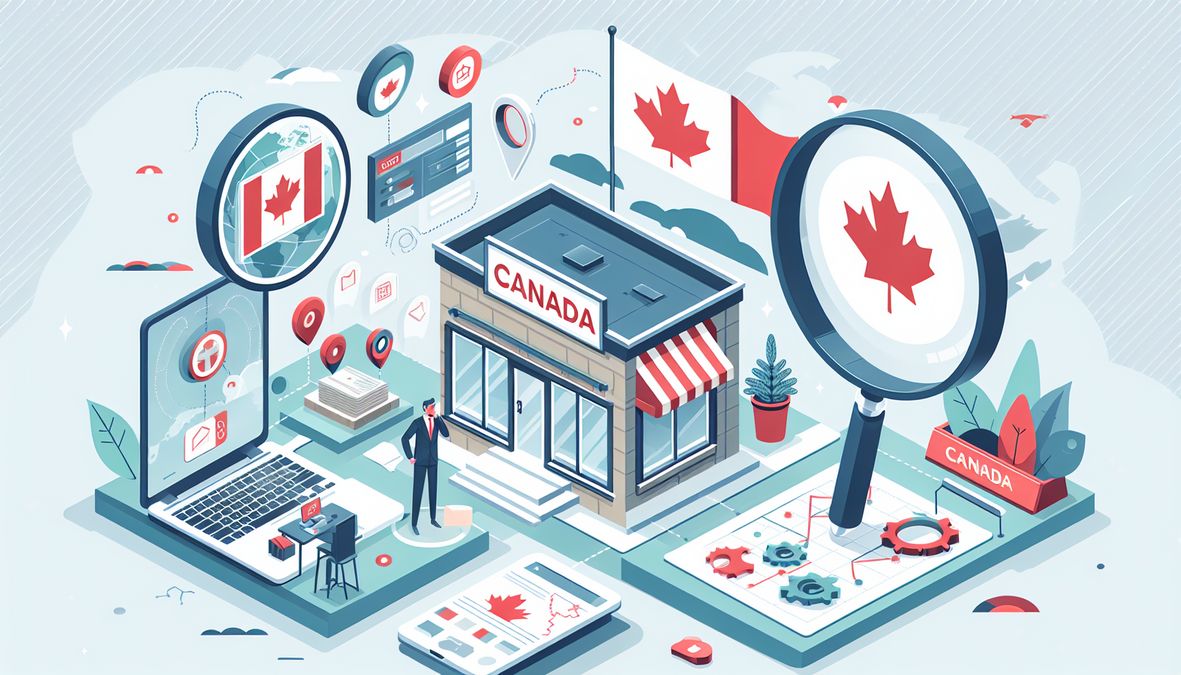
Are you dreaming of launching or growing a small business in Toronto in 2026? The entrepreneurial spirit is thriving across Canada, and Toronto remains the hotspot for ambitious new startups and agile small businesses. But with a competitive market, strict regulations, and evolving customer expectations, knowing the best practices for small business startups in Canada is crucial to your success.
Why Pay Attention to Best Practices for Small Business Startups in Canada?
Canada’s dynamic economy provides plenty of opportunities for aspiring entrepreneurs. However, standing out requires more than just a great idea and strong motivation. By following the best practices designed for Canadian startups—especially in a diverse, fast-paced city like Toronto—you can set a solid foundation, minimize risks, and maximize growth potential.
Understanding the Canadian Startup Landscape in 2026
The small business landscape in Canada, and particularly Toronto, is more promising yet more challenging than ever before. With increased digitalization, support from government and private sector players, and a multicultural talent pool, there are endless possibilities. However, increased local and international competition, regulatory requirements, and evolving customer demands raise the stakes for small business owners.
Key Trends Shaping Small Businesses in 2026
- Digital Transformation: Adoption of e-commerce, AI, and cloud-based tools is no longer optional but expected.
- Focus on Sustainability: Eco-friendly practices, ethical sourcing, and social impact are major differentiators.
- Diversity & Inclusion: Toronto’s multicultural environment encourages inclusive hiring and branding.
- Hybrid Work Models: Flexibility in work locations and hours attracts top talent and reduces costs.
- Access to Funding: Government grants, venture capital, angel investors, and crowdfunding platforms continue to expand.
Essential Steps for Launching a Small Business in Toronto
Ready to take the plunge? Here’s a step-by-step process that follows the best practices for small business startups in Canada, tailored for Toronto entrepreneurs in 2026:
1. Define Your Business Idea and Unique Value Proposition
- Start by clarifying your business purpose and what sets you apart from competitors.
- Research Toronto’s market trends—what’s missing, needed, or could be improved?
- Validate your idea with surveys, pilot launches, or feedback from your target audience.
2. Draft a Clear, Actionable Business Plan
- Include sections on your vision, target market, competition, operational plan, and financial projections.
- Use your business plan to guide decisions and attract investors or partners.
- Visit reputable organizations like ABC of Business for workshops on business plan writing.
3. Choose the Right Legal Structure
Toronto entrepreneurs commonly select from the following structures:
- Sole Proprietorship: Easiest to set up, best for solo founders with minimal risk exposure.
- Partnership: Suitable for shared startups, with clear agreements for profit, loss, and roles.
- Corporation: Offers more protection and potential tax advantages but has extra regulatory requirements.
Not sure which is right for you? Here’s a comprehensive guide to starting a small business in Toronto that covers legal structures and more.
4. Register Your Business Properly
- Get your business name approved and registered with the Ontario government.
- Apply for the necessary licenses and permits relevant to your industry (food, retail, construction, etc.).
- Obtain a Business Number (BN) from the Canada Revenue Agency for taxes, payroll, and import/export activities.
For a full breakdown of the registration process, check out this step-by-step guide to registering a small business in Toronto, Ontario.
5. Set Up Financial and Accounting Systems
- Open a business bank account to keep personal and company finances separate.
- Invest in basic accounting software for invoicing, expense tracking, and tax management.
- Set aside funds for HST/GST, payroll deductions, and quarterly tax payments.
- Consider consulting with an accountant or attending workshops at ABC of Business for financial literacy.
Best Practices for Small Business Startups in Canada: Proven Tips for Toronto Entrepreneurs
Embracing the following best practices will give your business the edge in Toronto’s bustling market.
Market and Customer Research: Know Your Audience
- Segment Toronto’s broad population by age, culture, income, and behavior.
- Conduct market research using surveys, focus groups, and online analytics.
- Adjust products and services based on evolving customer needs in 2026.
Adopt Technology Early
- Build a strong online presence: invest in a professional website and optimize for local SEO.
- Use CRM systems to manage customer relationships and track sales.
- Leverage social media, cloud accounting, and productivity platforms.
- ABC of Business offers digital marketing and tech adoption workshops suited for Toronto startups.
Prioritize Compliance and Risk Management
- Stay updated with local, provincial, and federal regulations (tax, health & safety, privacy, etc.).
- Get business insurance: liability, property, employment, and cyber insurance as needed.
- Develop contingency plans for supply chain disruptions or other emergencies.
Create a Distinct Brand Identity
- Design a logo and brand kit that reflects your values and connects with Toronto’s diversity.
- Deliver a unique experience across all customer touchpoints (in-store, phone, online).
- Share your origin story and vision through storytelling in your marketing materials.
Develop Strategic Partnerships and Networks
- Engage with local business associations, chambers of commerce, and startup communities.
- Attend events, workshops, and networking meetups—ABC of Business regularly hosts such opportunities.
- Collaborate with suppliers, complementary businesses, and influencers to boost credibility.
Monitor Finances and Cash Flow Diligently
- Track income, expenses, receivables, and payables regularly.
- Maintain cash reserves for slow periods or unforeseen expenses.
- Explore affordable business startup solutions and resources—including those highlighted by Toronto business startup resources for 2026.
Cost-Effective Tools and Services for New Toronto Entrepreneurs
Launching a startup doesn’t have to drain your savings. Here are some great tools and resources that support best practices for small business startups in Canada:
- ABC of Business: Training, workshops, mentorship, and updated guides tailored to the Toronto startup scene.
- Canada Business Network: Federal information, grants, and support programs.
- Enterprise Toronto: Local government services, events, and business advice.
- Startup Canada: National advocacy, peer-to-peer mentoring, and networking for entrepreneurs.
- Mailchimp & Canva: Easy-to-use tools for marketing, newsletters, and branding.
- QuickBooks & Wave: Simple, affordable accounting and bookkeeping solutions.
For more insight, don’t forget to browse affordable options for Toronto business creation in 2026, highlighted by trusted local guides.
Common Pitfalls to Avoid When Starting a Small Business in Canada
- Skipping Market Research: Launching without validation or customer awareness can lead to costly failures.
- Poor Financial Management: Underestimating costs or failing to save for taxes jeopardizes operations.
- Neglecting Legal Duties: Missing registrations, permits, or compliance steps can bring fines and shutdowns.
- Doing Everything Alone: Avoid trying to wear every hat—seek professional advice and mentorship, such as what’s offered by ABC of Business.
- Ignoring Digital Marketing: In 2026, digital outreach is critical for attracting and retaining customers.
How to Grow and Scale Your Startup: Next-Level Practices
When you’re ready to move beyond survival and into real growth, apply these advanced yet practical best practices for small business startups in Canada:
- Innovate Continually: Stay agile by tracking trends, adopting new tech, and refining your business model.
- Expand Your Team: Recruit and train employees for diversity, innovation, and customer service excellence.
- Systematize Operations: Use digital tools to automate scheduling, inventory, and customer engagement.
- Strengthen Customer Loyalty: Reward repeat business, request reviews, and use personalized marketing tactics.
- Explore New Markets: Look to serve additional neighborhoods or even expand nationally if you reach capacity in Toronto.
- Measure Success: Set KPIs (key performance indicators) and track them monthly to inform better decision-making.
Building a Resilient, Future-Proof Business
Tomorrow’s most successful businesses in Toronto will be those that practice resilience. Prepare to adapt to changes in technology, customer needs, regulations, and competition. Invest in your ongoing education, develop a growth mindset, and stay connected to the evolving entrepreneurial community in Canada. Organizations like ABC of Business play a pivotal role—offering training, workshops, mentorship, and the latest insights to empower small business founders at each stage of their journey.
Get Started with the Best Practices for Small Business Startups in Canada
Launching your own business in Toronto in 2026 is within reach when you follow trusted, local best practices for small business startups in Canada. Whether you’re entering retail, launching a tech firm, starting a food service, or developing a service-based company, these strategies form the building blocks for long-term success.
Let ABC of Business Help You Succeed
Ready to take your first step, or want to grow your existing Toronto business? Contact ABC of Business for personalized guidance, training programs, and access to the best resources designed for 2026 and beyond. Start strong, grow smart, and join Toronto’s vibrant entrepreneurial community today!