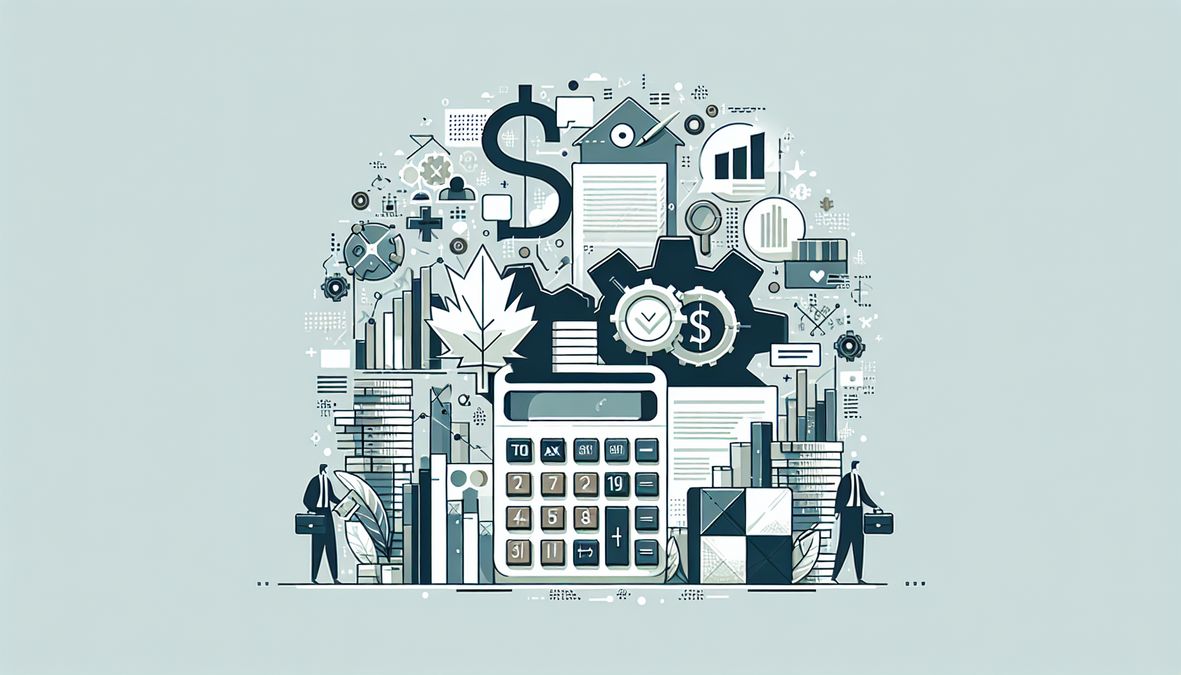
Launching or growing a business in Toronto in 2026 comes with both opportunities and responsibilities — especially when it comes to understanding the 2026 Canadian tax regulations for small businesses in Toronto. Navigating these tax rules is key for a smooth start, continued growth, and avoiding costly surprises down the road. Whether you’re a new entrepreneur or a seasoned small business owner, mastering the ever-evolving tax landscape will help protect your financial health and set your startup or small business on the right track.
Why Understanding 2026 Canadian Tax Regulations Matters for Small Businesses
Tax compliance isn’t just about following the law; it’s about uncovering advantages, maximizing returns, and building a resilient company. Toronto, as Canada’s business hub, welcomes innovation and entrepreneurship—but the 2026 regulatory changes require extra attention for anyone looking to launch or scale up a venture.
- Access to Grants and Funding: Many programs require up-to-date tax records and compliance.
- Financial Health: Managing taxes accurately helps you reinvest profits, avoid penalties, and signal stability to investors and partners.
- Strategic Growth: Understanding deductions and credits can free up resources for marketing, hiring, or product development.
An Overview of 2026 Canadian Tax Regulations for Small Businesses in Toronto
Canada updates its tax code regularly, and 2026 brings some key changes impacting Toronto’s small businesses. Here’s what you need to know:
1. Updated Corporate Income Tax Rates
- Basic Federal Rate: The general federal small business tax rate remains at 9% on the first $500,000 of active business income, which is available to Canadian-controlled private corporations (CCPCs).
- Ontario Provincial Rate: In addition to federal tax, Ontario’s small business rate is set at 3.2%. For 2026, Toronto-based businesses must pay both, making the combined tax rate on qualifying small business income 12.2%.
- Threshold Awareness: Exceeding the $500,000 income threshold will push part of your income into the higher general corporate tax rate. Proactive tax planning can help prevent surprises.
2. Changes to Personal Income Tax for Business Owners
- Dividend and Salary Planning: 2026 regulatory changes focus on how small business owners pay themselves. Splitting income between salary and dividends can impact your net income and personal tax obligations.
- New Rules on Private Health Premiums: Many small businesses provide private health plans. In 2026, benefits from employer-paid premiums are still taxable for business owners, but new reporting rules mean stricter compliance and clearer documentation.
3. Enhanced Digital Taxation Requirements
- Online Sales and Marketplace Compliance: If your small business sells goods or services online, you must maintain accurate records for GST/HST. Previously, some digital-only sales went unreported; now, all sales targeting Canadian residents count and must be reported.
- E-Invoicing Standardization: From July 2026, qualifying businesses are required to use standardized e-invoicing software. The Canada Revenue Agency will provide approved providers or APIs, streamlining audits and supporting remote business.
4. Deductions, Credits, and New Incentives in 2026
- Green Business Tax Credits: 2026 introduces higher deductions for businesses investing in green technology, energy efficiency, or sustainable packaging.
- Startup Cost Deductions: Businesses registered in Ontario can now write off up to $30,000 in eligible startup expenses in the first year — an increase from previous limits.
- Women and BIPOC Entrepreneur Credits: New refundable credits support inclusion and diversity—eligible owners can apply for additional tax relief and government grants.
Getting Started: Registering and Structuring Your Business for Tax Success
Before you can make the most of the 2026 Canadian tax regulations, you need to ensure your business is set up right from the start. Registration and structure influence everything: your tax obligations, eligible credits, and even how simple it is to scale.
Choosing a Business Structure
- Sole Proprietorship – Simple, low-cost setup, but you’re taxed on all profits at your personal tax rate with unlimited liability.
- Partnership – Easy to form with more than one founder, but profit and loss flow through to each partner’s personal tax returns.
- Corporation – More complex, but separates your personal assets from business liabilities and allows access to the 9% small business corporate tax rate and other benefits.
If you’re just getting started or want more detail on business structures and setup, check out this step-by-step guide to starting a small business in Toronto in 2026.
Compliance Must-Haves: Meeting 2026 Tax Filing Requirements
Staying compliant with 2026 Canadian tax regulations for small businesses in Toronto isn’t just about paying the correct amount — it’s also about timely, accurate filing. Here’s a checklist for business owners:
1. Register for Taxes and Collect the Right Numbers
- Apply for a federal business number (BN) and, if required, an Ontario business identification number.
- Register for GST/HST if your business exceeds $30,000 in gross revenue in a calendar quarter.
2. File Your Taxes On Time
- Corporations: File your T2 income tax return within six months of the end of your fiscal year.
- Sole Proprietors and Partnerships: File your T1 personal tax return (with Form T2125 for business income) by June 15, but pay any balance owing by April 30.
3. Keep Records Electronically
- Maintain digital copies of sales receipts, invoices, expenses, and payroll records for at least seven years.
- Make use of e-invoicing tools approved by the CRA in 2026 for seamless compliance.
4. Stay Ahead on Payroll and Withholding Taxes
- If you hire employees or pay yourself a salary, ensure all deductions (CPP, EI, and income tax) are made and remitted monthly to the CRA.
- 2026 brings increased penalties for late remittance—using a payroll service or automated system is highly recommended.
Making Tax Efficiency Part of Your Business Growth Strategy
Tax efficiency means minimizing what you owe—without crossing any red lines. Smart planning from day one pays off during tax season and can boost your bottom line year-round.
Top Tax Strategies for Small Businesses in Toronto (2026)
- Deduct Everything You Can: After checking the list of allowable business expenses, ensure eligible costs (marketing, rent, technology, work-from-home equipment) are claimed.
- Leverage Credits and Grants: Claim all government support you’re eligible for. This 2026 guide to Toronto business grants and funds covers options that reduce your effective tax rate.
- Plan for Installments: If you expect to owe more than $3,000 in taxes, set up quarterly installment payments to prevent interest charges—this applies whether your business is incorporated or run as a sole proprietorship.
- Use Tax Software or a Professional: 2026’s digital requirements in Toronto go hand in hand with using reliable tax software, a certified accountant, or a consultant who understands local tax nuances.
- Master Payroll Deductions: Automate calculations and filings to reduce the chance of expensive errors. Consider payroll services such as ABC of Business for up-to-date compliance and employee support.
Common Tax Challenges for Toronto Startups and How to Overcome Them
Despite best intentions, even experienced entrepreneurs make tax mistakes. Here are common pain points and solutions:
1. Mixing Personal and Business Finances
Accidentally charging personal expenses to your business account (or vice versa) can raise red flags with the CRA. Use a dedicated business account and credit card, keep pristine records, and separate your personal and business documents.
2. Missing Out on New Credits and Deductions
Laws change often. If you’re not up to date, you could leave money on the table. Regularly check resources, subscribe to business newsletters, or use services like ABC of Business, which track new incentives and will guide you on what’s available for your type of business.
3. Underestimating Tax Liabilities on New Business Models
Expanding into e-commerce, SaaS, or digital services? The 2026 rules take a closer look at online income and international sales. Consult with an expert when launching new lines of business.
Curious about the fastest and safest opportunities for business ventures this year? Get inspired by the most promising low-risk startups in Toronto for 2026.
Best Practices and Tools for Navigating 2026 Canadian Tax Regulations
Putting the right processes and tools in place now ensures compliance and saves time as your business grows.
Recommended Services and Resources
- ABC of Business: Your essential partner in Toronto, providing tailored workshops, tax training, mentorship, and up-to-date information for entrepreneurs and business owners.
- CPA-Certified Accountants: An accountant accredited in Ontario will keep you compliant and spot opportunities for savings.
- Cloud Bookkeeping Software: Solutions like QuickBooks Online, Xero, or Wave automate transaction tracking, e-invoicing, and GST/HST filings. ABC of Business regularly reviews top software options for Toronto startups.
- Government Portals: CRA’s My Business Account and Ontario’s Business Registry let you manage returns and business records from one dashboard.
- Startup Networks & Accelerators: Many organizations, including ABC of Business, offer mentorship, peer learning, and ‘ask an expert’ events focused on small business tax in Toronto.
Future-Proofing Your Toronto Business for Tax Compliance in 2026 and Beyond
New tax regulations are the norm, not the exception. Here’s how to prepare for what’s ahead in 2026 and set your small business up for lasting success:
- Stay Educated: Block time each quarter to review news and legislative changes. Use resources from ABC of Business for easy-to-digest updates relevant to the Toronto market.
- Document Every Process: Write down how you track invoices, pay taxes, or claim credits. This habit makes team expansion and audits easier in the future.
- Invest in Training: New hires and founders alike can benefit from tax-focused workshops and business plan consultations through providers like ABC of Business.
- Expand Responsibly: Experiment with new revenue streams, but always double-check compliance with Ontario and federal regulations before launching.
Conclusion: Make Tax Regulations Work for Your Toronto Business
The 2026 Canadian tax regulations for small businesses in Toronto may seem complex, but with the right resources and proactive planning, they can become an engine for your company’s stability and growth—rather than a source of worry. Be prepared to adapt as the business environment shifts, and don’t hesitate to reach out for help when you need it.
If you want ongoing support, tailored workshops, or up-to-the-minute guidance to navigate Toronto’s tax landscape, contact ABC of Business today. Start building a tax-smart, thriving business by visiting https://abcofbusiness.com/contact/. The right expertise is just a click away!