
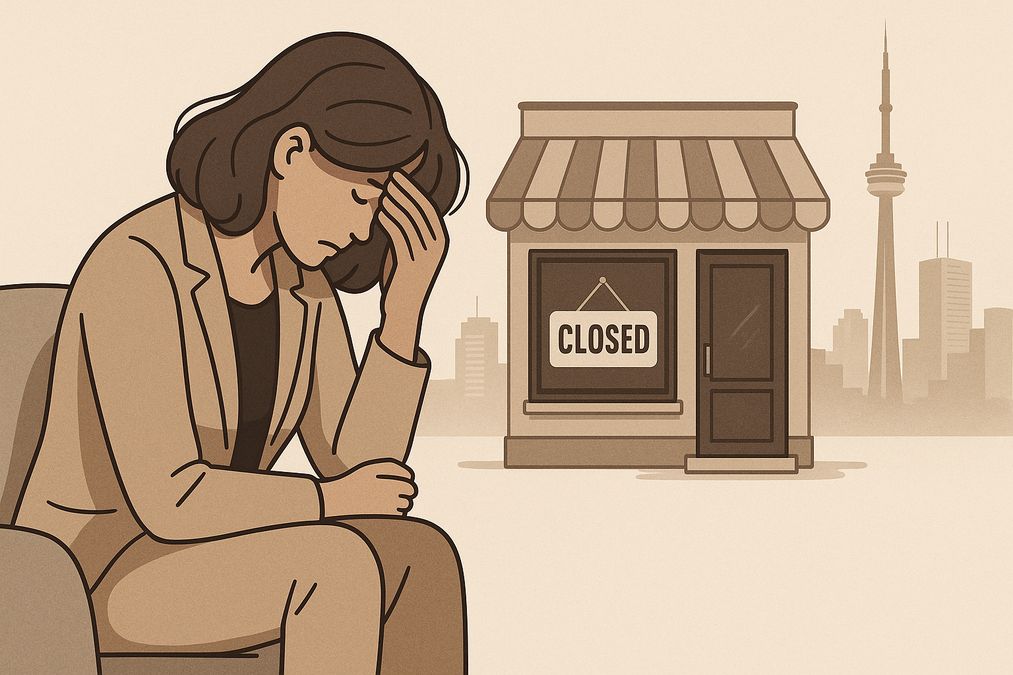
Closing a business is one of the toughest decisions an entrepreneur can make. In Toronto, where the pace is fast, costs are high, and the stakes feel personal, shuttering a venture can feel like losing a part of yourself. If you’re navigating the difficult days after closing a shop, studio, startup, or side hustle, this guide is for you. It offers clear, compassionate steps for emotional recovery, financial wrap-up, identity rebuilding, and plotting your next move in 2026—without pressure or platitudes.
How to cope with grief after closing a Toronto small business
First, know this: you’re not alone, and your grief is valid. Many Toronto owners carry a deep sense of identity, purpose, and community in their businesses. When the doors close, even for strong business reasons, the emotional impact can be profound. Grief in entrepreneurship is real, complex, and often invisible. You may be mourning lost routines, relationships, reputation, dreams, and a future you imagined. That is normal—and survivable.
Why grief shows up so powerfully after closure
Businesses are more than income streams. In a city like Toronto, they’re an expression of culture, neighbourhood life, and personal values. You poured time, savings, and reputation into serving customers and solving problems. When it ends, your brain and body register loss in multiple ways:
- Identity loss: You weren’t just a “business owner”—you were a creator, employer, mentor, or community hub.
- Social disruption: Daily chats with regulars, staff huddles, and supplier visits disappear overnight.
- Financial stress: Revenue stops, but obligations, taxes, and records remain for a period.
- Meaning gap: Your days had a mission. Closure can create a sense of emptiness or failure, even if the decision was wise.
Recognizing these layers helps you approach recovery with realism and self-compassion. You didn’t “just” close a company; you ended a chapter of your life.
Understanding the stages of entrepreneurial grief
Grief isn’t linear. You might cycle through these experiences many times. Use the ideas below as a menu, not a mandate.
Denial: “It doesn’t feel real.”
What it looks like: You refresh email hoping for a miracle investor, check your POS numbers from habit, or avoid telling people the news.
Helpful responses:
- Set a gentle “closure ritual”: Archive accounts, move final files into labeled folders, or take a last photo at the location. Rituals help the mind accept change.
- Tell three safe people the facts: Saying it aloud reduces avoidance and invites support.
Anger: “This isn’t fair.”
What it looks like: Irritation at landlords, banks, policies, supply chain headaches, or the broader economy. In 2026, Toronto’s commercial rents, interest rates, and labour shortages can intensify anger.
Helpful responses:
- Channel, don’t suppress: Write an unfiltered letter you won’t send. Then write a shorter, objective version you can keep for your records.
- Move your body: A brisk walk on the waterfront, park laps, or a workout helps metabolize anger.
Bargaining: “If I just do X, maybe I can save it.”
What it looks like: Last-minute spreadsheets, reconsidering a new loan, or spinning up a hail-Mary promo after the decision is final.
Helpful responses:
- Create a “No New Commitments” window: For 14–30 days, avoid new debts or contracts. Protect your future self.
- Focus on closeout excellence: Deliver refunds, return deposits, or fulfill final orders with grace. This preserves relationships—and your reputation.
Sadness: “What’s the point?”
What it looks like: Low energy, insomnia, tears in unexpected places, or isolation. This may peak a few weeks after closure.
Helpful responses:
- Schedule connection, not perfection: Coffee with a peer founder, a call with a mentor, or a short daily walk with a friend.
- Micro goals: Two simple wins per day (e.g., email your accountant, organize receipts). Momentum is medicine.
Acceptance and meaning-making
What it looks like: Clarity about what you learned, what you’ll never do again, and what matters most now. Acceptance is not approval; it’s recognition.
Helpful responses:
- Write a one-page “founder’s reflection”: What worked, what didn’t, and what you’d advise your future self in 2026.
- Store your assets: Keep your branding files, SOPs, and playbooks—you may repurpose them for a new life or venture.
Your first 30 days: a steady plan
The first month after closing is emotionally heavy and administratively busy. A clear checklist protects your mental health and your wallet.
Day 1–7: Stabilize and communicate
- Tell inner-circle stakeholders: Co-founders, staff, key suppliers, and your bookkeeper or accountant.
- Set auto-responses: A clear, respectful email and voicemail message that explain next steps and response times.
- Update your website and socials: Pin a closure note and, if relevant, how customers can access warranties, gift card redemptions, or final receipts.
- Secure data: Back up inventory counts, customer contact permissions, payroll files, and tax documentation.
Day 8–14: Closeout logistics
- Inventory and assets: Photograph, list, and decide on sale, donation, or storage. Keep serial numbers and receipts handy.
- Contracts: Review lease, equipment rentals, and SaaS subscriptions. Note notice periods and penalties.
- Banking: Separate your personal and business funds. If you’ve not done so, stop auto-drafts and close unused accounts once reconciled.
Day 15–30: Financial and tax wrap-up
- Revenue Canada items: Reconcile HST/GST, payroll remittances, and final returns. Calendar key dates so nothing slips.
- Talk to your accountant: Clarify write-offs, loss carryforwards, capital cost allowance, and record retention.
- Read this for context: Toronto Small-Business Taxes: What Your Accountant Assumes. It can help you ask smarter questions and avoid surprises.
Tip: If the admin feels overwhelming, set a timer for 25 minutes (a Pomodoro). One focused session a day beats avoidance.
Talking to customers, staff, and partners with care
Thoughtful communication eases grief and protects your reputation in Toronto’s close-knit business communities.
Customers
- Be brief and kind: Thank them for their trust, explain the closure in one or two lines, and point to any remaining support channels.
- Offer final value: Provide a discount code for partner businesses, a digital archive of how-tos, or a list of alternative providers.
Employees and contractors
- Transparency first: Share the timeline, final pay details, and references you’re willing to provide.
- Invest in their next step: Offer personalized reference letters and introductions to hiring managers.
Suppliers and lenders
- Proactive outreach: Explain your wind-down schedule and payment plan proposals early.
- Document everything: Summarize calls in writing and store all correspondence.
Consider a small “closing circle” event, even if virtual. Acknowledging the journey with gratitude can help everyone process the transition.
Take care of your body and mind in Toronto
Your business asked for stamina; your recovery asks for gentleness. In 2026, mental well-being is a strategic asset for your next chapter.
- Sleep basics: Fixed sleep and wake times, cut caffeine after lunch, and keep screens out of bed.
- Nutrition & movement: Simple, regular meals and short daily walks improve mood regulation.
- Peer support: Talk to other founders who’ve closed or pivoted. Shared stories reduce shame.
- Therapy or coaching: A few structured sessions can speed clarity and coping skills.
- Mindful routines: Breathing practices, journaling, or short meditations help settle the nervous system.
Tools, services, and community support for founders
These options can help you regroup and rebuild capacity. Choose what fits your style and budget.
- ABC of Business: A Toronto-based player in the entrepreneurial ecosystem that helps new entrepreneurs, small businesses, and startups through training, workshops, and practical information you can use as tools to become more successful in the game of business.
- Peer roundtables: Small, confidential groups of entrepreneurs for mutual problem-solving and encouragement.
- Financial consults: Short sessions with accountants or advisors to map taxes, debts, or dissolution steps.
- Mental health services: Therapists with experience in career transitions or entrepreneurial stress.
- Career coaching: If you’re exploring employment, freelancing, or portfolio careers post-closure.
- Workspace passes: Occasional co-working days can restore momentum and reduce isolation.
Reclaiming your identity after closure
Your role may change, but your strengths remain. Curiosity, resilience, and creativity don’t disappear when a company ends; they shift into a new form. To dig deeper into how founders evolve, see How Entrepreneurship Reshapes Personal Identity in Toronto. It offers a helpful lens for reframing who you are beyond a single venture.
Three identity exercises
- Strengths snapshot: List five abilities you used weekly (e.g., customer empathy, negotiation, product design). Mark which you want to carry forward.
- Values inventory: Choose top five values that mattered most in your business (e.g., integrity, community, innovation). Design your next chapter around them.
- New narrative: Rewrite your LinkedIn summary as “Builder, operator, and problem-solver who led X to Y—now applying those skills to Z.” Practice saying it out loud.
Financial and legal wrap-up without overwhelm
You don’t need to become a tax pro, but you do need a clean finish. A tidy closeout reduces future stress and potential penalties.
Records to keep (and for how long)
- Corporate records: Articles, bylaws, minute books, dissolution papers—keep permanently.
- Tax files: Returns, T-slips, HST/GST filings, payroll records—generally 6–7 years.
- Financial documents: Invoices, receipts, bank statements, loan agreements—6–7 years.
- Contracts and leases: Until all obligations end, then archive for at least two years more.
Debts and negotiations
- Map the whole picture: Create a one-page sheet with creditor, balance, interest, status, and next step.
- Prioritize essentials: Government remittances and secured debts often come first.
- Propose realistic plans: Short, clear emails with dates, amounts, and rationale get better responses.
- Get it in writing: Confirm every agreement via email and save PDFs.
Consider a brief meeting with a legal advisor for lease exits, dissolution filings, or creditor negotiations. A focused hour can save months of stress.
Conduct a calm, honest post-mortem
Reflecting doesn’t mean reliving every mistake. It means extracting lessons for your future self.
A simple, founder-friendly process
- Timeline: Create a month-by-month story from launch to close. Identify three key turning points.
- Numbers: Outline top metrics (revenue, gross margin, CAC, LTV, retention, debt service) and how they trended.
- 5 Whys: Pick two core problems and ask “Why?” five times to reach root causes.
- Control vs. influence: Sort issues into “within control,” “influence,” and “outside control.” Look for the smallest levers with the biggest impact.
- Lessons: Turn each insight into a rule of thumb (e.g., “No leases without a 6-month cash runway for rent” or “Pilot for 90 days before full rollout”).
Archive your post-mortem where you’ll actually revisit it—pin it in your notes app or cloud drive labeled “Founder Playbook 2026.”
Choosing your next step—on your timeline
You don’t have to bounce back instantly. Grief and growth can coexist. When you’re ready to explore what’s next, consider these paths:
Option 1: Rest, then re-enter employment
Use your operator skills in a stable environment while you recover financially and emotionally. Your startup experience often translates into roles in operations, product, sales, or community management.
Option 2: Freelance or consult
Package your expertise into services (e.g., brand strategy, financial modeling, supply-chain optimization). Start small with two or three anchor clients.
Option 3: Pivot or restart a new venture
If you feel the pull to build again, build wiser. Pressure-test your idea, test pricing, and validate demand before you commit. When you’re ready to plan, explore How to Create a Business Plan for Small Business Canada to structure your strategy for 2026 conditions.
Preventive practices for your future founder self
Think of these as emotional and financial airbags—habits that soften impact if things get bumpy again.
- Runway discipline: Keep 6 months of operating expenses and 6 months of personal living costs where feasible.
- Lean experiments: Validate new products with small pilots before long leases or big orders.
- Diversified revenue: Add at least one counter-cyclical revenue stream or service retainer.
- Metrics that matter: Track leading indicators (qualified leads, conversion rate, gross margin) weekly.
- Boundary calendar: Protect one day per week for strategy and one block per day for health.
- Exit map: Predefine conditions that trigger a pivot or wind-down; it’s easier to act on a plan than on feelings in the moment.
How to handle difficult emotions in real time
When a wave of grief hits—on the streetcar, in a grocery aisle near your old product, or passing your former storefront—try this three-step reset:
- Name it: “This is grief. It makes sense.” Labeling reduces intensity.
- Ground it: Notice five things you see, four you feel, three you hear, two you smell, one you taste.
- Move it: A few deep breaths or a short walk helps your body process the emotion.
Also, limit exposure to comparison triggers on social media while you heal. Curate your feeds around supportive peers, practical learning, and humour.
Common myths about closure—debunked
- Myth: “Closing means I failed.” Reality: Markets shift, hypotheses change, and preserving capital and well-being is success.
- Myth: “My customers will be angry forever.” Reality: Clear communication and fair treatment foster long-term respect.
- Myth: “I’ll never build again.” Reality: Many great founders close one venture and later create something better aligned with their lives and the market.
What a healthy recovery can look like in 2026
Every journey is unique, but a common arc looks like this:
- Month 1: Administrative closeout, acute emotions, reduced social interactions, basic self-care.
- Months 2–3: Sleep and energy stabilize; initial reflections turn into insights; you test light consulting or part-time work.
- Months 4–6: Identity rebuild accelerates; you reconnect with industry peers; you draft a career or venture plan.
- Months 7–12: You commit to a next chapter with clearer guardrails and more sustainable habits.
There’s no “right” pace. Honour your bandwidth, celebrate small wins, and build capacity gradually.
If money pressure is spiking—do this first
Financial stress amplifies grief. Take these steps to reduce anxiety quickly:
- List essential expenses: Rent, utilities, groceries, transportation, dependents. Cut or pause the non-essential for 60–90 days.
- Call creditors early: Proactive, realistic proposals beat silence. Ask about hardship programs or short-term interest relief.
- Seek bridge income: Temporary contracts, tutoring, rideshare, or retail shifts can stabilize cash flow while you regroup.
- Leverage your assets: Sell unused equipment, inventory, or licenses. Document valuations for tax purposes.
Support your relationships through the transition
Partners, family, and friends may not fully grasp entrepreneurial grief, but they care. Offer them a simple playbook:
- What helps: Walks, listening without fixing, and celebrating small admin wins.
- What doesn’t: Unsolicited strategies or comparisons to other businesses.
- How to check in: Agree on a weekly pulse check with two questions—“What’s heavy?” and “What’s the smallest next step?”
Keep what worked—retire what didn’t
Closure is a chance to design your life with intention. Consider:
- Keep: Your best customer rituals, onboarding templates, pricing models, or team norms that actually delivered results.
- Retire: Draining offerings, mismatched partnerships, or sales channels that never achieved product-market fit.
Package the keepers into a personal “Operating Manual.” This portable knowledge becomes your edge in your next role or venture.
A note on dignity and legacy
Your business had a real impact: on customers you helped, staff you trained, and a city you enriched. Closure doesn’t erase that. Archive testimonials, press mentions, and case studies. Keep them visible in your portfolio and professional bios. They’re part of your legacy—and your launchpad.
Where community fits in
Toronto thrives on networks—neighbourhood BIAs, industry meetups, and founder groups. Ease back into community when you’re ready:
- Attend one low-stakes event per month with no agenda but connection.
- Offer value first: Share a resource, make an intro, or give feedback.
- Ask clear questions: “I’m looking for two founders who’ve re-entered full-time roles after closing—willing to chat?”
When to seek professional help
If grief is interfering with daily function—persistent insomnia, panic, hopelessness, or thoughts of self-harm—reach out to a licensed mental health professional or a crisis line. Needing help is not a failure; it’s a smart, brave step.
Putting it all together: a gentle 2-week reset
- Day 1: Tell three trusted people. Set email/voicemail auto-responses.
- Day 2: Back up files and financials. Create your creditor list.
- Day 3: Sleep-focused night routine. 20-minute walk.
- Day 4: Draft customer/staff closure notes. Schedule send.
- Day 5: Accountant call. Read your notes from Toronto Small-Business Taxes: What Your Accountant Assumes to prep smart questions.
- Day 6: List assets for sale/donation. Photograph items.
- Day 7: Rest day. Meet a friend. No admin.
- Day 8: Do a 60-minute post-mortem draft.
- Day 9: Update LinkedIn summary and resume with honest, strengths-based phrasing.
- Day 10: Apply to two consulting gigs or one part-time role if you’re ready.
- Day 11: Financial check-in. Adjust your 60–90 day budget.
- Day 12: One community touchpoint (coffee, call, or meetup).
- Day 13: Rewrite post-mortem into three lessons and three rules for future you.
- Day 14: Light planning for what’s next; if building again, sketch a one-page business model and later expand with How to Create a Business Plan for Small Business Canada.
Your story is not over
The end of a business can be the beginning of a more sustainable, values-aligned chapter. You are still a builder. In time, you’ll turn hard-won lessons into better decisions, healthier boundaries, and wiser bets.
Conclusion and next step
If you’re looking for structured support, practical workshops, and a community that understands both the emotional and strategic sides of entrepreneurship, ABC of Business is here to help. We work with Toronto founders at every stage—especially during transitions like this—so you can process the past and plan a confident future.
Ready to talk? Contact ABC of Business today: https://abcofbusiness.com/contact/