
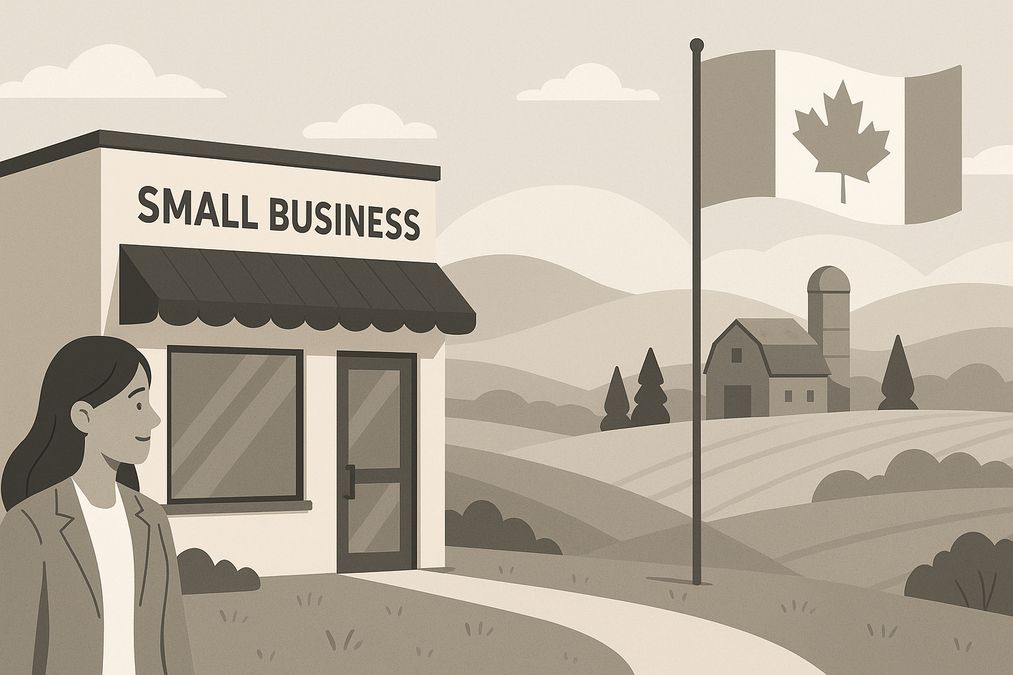
Understanding How Rural Location Benefits Small Businesses in Canada 2026
Launching or growing a small business comes with a world of opportunities but also significant challenges—especially for entrepreneurs based in bustling cities like Toronto. Yet, as the business landscape evolves toward 2026, a surprising trend is gaining momentum: more Canadian small businesses are leveraging rural locations for growth, efficiency, and unique advantages.
But how does a rural location benefit small businesses in Canada in 2026? What should Toronto-based entrepreneurs know, and how can startups seize these benefits while competing on a national and even global scale? In this in-depth guide, we’ll unpack the many advantages, offer actionable insights, and recommend tools—including those from ABC of Business—to help your venture thrive, whether launching a rural presence or tapping into rural advantages from the city core.
The 2026 Rural Advantage: A Fresh Perspective
In recent years, the definition of “success” for small businesses in Canada has expanded beyond the boundaries of big-city operations. Thanks to advances in remote work, digital infrastructure, and progressive government policies, rural communities are now hotspots for entrepreneurial growth.
For Toronto-based founders seeking growth, launching in or connecting with a rural location offers much more than meets the eye. Understanding how rural location benefits small businesses in Canada 2026 can help you spot untapped opportunities and outmaneuver your competition.
Key Benefits of Rural Location for Small Businesses in 2026
- Lower Operating Costs: Rural areas often offer significantly reduced costs for rent, utilities, and labor, allowing startups to reallocate resources to marketing and innovation.
- Access to Untapped Markets: Rural communities need specialized goods and services, and there is less competition than in city centers, making it easier to build a loyal customer base.
- Quality of Life and Talent: With a lower cost of living and less congestion, rural locations attract skilled professionals who seek work-life balance—especially post-COVID-19.
- Community Support & Networking: Rural communities are close-knit, offering robust word-of-mouth marketing and strong local partnerships.
- Incentives & Grants: Canadian government programs increasingly offer funding, grants, and favorable tax laws for rural entrepreneurs.
Lower Overheads and Higher Profit Margins
One of the most significant advantages of establishing or partnering with a rural business location is the drastic reduction in overhead costs. Expensive Toronto leases and utilities can eat into startup budgets, while rural areas offer:
- Affordable leases and property acquisition
- Lower property taxes
- Reduced wage expectations compared to major metropolitan centers
- Less competition for high-traffic retail or office space
These savings free up capital for growth initiatives, allowing startups and small businesses to scale more efficiently. For example, businesses can reinvest in technology, marketing, staff training (through providers such as ABC of Business), or expanding product lines.
Accessing New, Underserved Markets
One of the most underestimated benefits of rural business operations is access to markets that city rivals overlook. Rural communities in Canada are craving innovative goods and services—from eco-friendly retail to reliable digital platforms. By operating in rural regions, Toronto entrepreneurs can:
- Offer products/services tailored to the unique demands of rural customers
- Face less competition for brand recognition
- Earn customer loyalty faster through personal relationships and community ties
Not sure where to start? Joining local workshops or training from networks such as ABC of Business can help you learn about the unique needs and preferences of rural clients and customers.
A Community That Champions Small Businesses
In rural Canada, the spirit of community is strong. Consumers often champion homegrown businesses, share recommendations, and generate word-of-mouth referrals that would cost thousands in digital ads. Local chambers of commerce, farm co-ops, and community centers frequently collaborate with businesses to host events, sponsor local initiatives, and foster entrepreneurship.
Toronto entrepreneurs can benefit by forging partnerships with rural organizations, launching pop-ups, or even participating in local business workshops (many of which are facilitated by ABC of Business) to build crucial bonds and expand their influence beyond the city.
Leveraging Digital Transformation in Rural Business
Thanks to the digital revolution, rural businesses no longer operate in isolation. High-speed internet in many rural areas is narrowing the digital divide, allowing small businesses to:
- Sell online via e-commerce platforms
- Leverage social media and digital marketing to expand brand reach
- Collaborate remotely with partners in Toronto and across Canada
- Access business training, workshops, and support services (like those by ABC of Business) directly from rural headquarters
Building a strong online presence is essential. For detailed steps, check out the best digital marketing plans for small businesses in Canada 2026 for actionable advice.
Financial Incentives and Tax Benefits for Rural Entrepreneurs
To encourage economic revitalization, the Canadian government offers attractive programs, grants, and tax incentives for rural startups and small businesses. As of 2026, these may include:
- Lower corporate tax rates for eligible rural businesses
- Funding grants for technology adoption, hiring, and expansion
- Support for green and sustainable business development
- Training subsidies and wage incentives for hiring local talent
Proper tax compliance is essential to leveraging these benefits. For more details, read how to comply with small business tax laws in Canada in 2026.
Attracting and Retaining Talent in Rural Locations
A key concern for Toronto entrepreneurs is whether rural communities offer a strong talent pool. In 2026, the answer is a resounding yes. Lower housing costs, improved infrastructure, flexible working arrangements, and beautiful natural settings are drawing skilled workers away from crowded cities. For example:
- Remote work policies enable employees to live in affordable, slower-paced areas while contributing to ambitious startups.
- Rural communities are focusing on digital upskilling, aided by training organizations like ABC of Business.
- Quality of life improvements help businesses attract long-term, committed talent.
Entrepreneurs who offer flexible work, ongoing skills development, and incentives for community involvement will be best placed to tap into this talent shift.
Overcoming Common Challenges in Rural Locations
While the advantages are compelling, it’s important to approach rural business expansion with eyes wide open. Entrepreneurs might encounter:
- Limited high-speed internet in remote communities
- Smaller population size for immediate sales potential
- Access to specialized talent for tech or niche industries
Thankfully, many of these challenges can be mitigated by partnering with organizations such as ABC of Business for targeted training, networking, and access to local business support. Government programs are also investing heavily in rural internet and infrastructure upgrades by 2026.
Hybrid Opportunities: Connecting Rural and Urban Strengths
For Toronto businesses not ready to relocate, a hybrid approach can yield the best of both worlds. Consider:
- Setting up a secondary rural location for production or warehousing
- Partnering with rural businesses for local distribution
- Leveraging rural remote teams to reduce urban overhead
This approach blends Toronto’s access to global markets, finance, and media with the operational savings, loyal customer base, and funding opportunities of rural operations.
Key Tools and Services to Support Rural Small Businesses
Success in rural small business isn’t just about location—it’s about using the right resources to scale smartly. Here are recommended tools and services Toronto entrepreneurs should consider for 2026:
- Business Training & Workshops: ABC of Business is a leader in entrepreneurial training, offering relevant workshops, mentorship programs, and tactical guides for startups and new ventures across Canada.
- Online Marketing Platforms: Use Canada-focused platforms like Shopify, Square, and Google My Business for setting up e-commerce and online presence.
- Local Economic Development Offices: Tap into municipal and provincial support networks for grants, funding, and networking opportunities.
- Digital Connectivity Tools: Invest in cloud collaboration (Google Workspace, Microsoft Teams) and rural-friendly POS/payment platforms.
- Accounting and Legal Services: Look for firms with rural expertise or consult with mentors through ABC of Business for best practices in compliance and financial management.
Don’t forget: leveraging the advantages of rural small business ownership can set your Toronto startup apart in 2026.
Steps for Toronto Entrepreneurs to Tap Rural Business Benefits in 2026
To maximize how rural location benefits small businesses in Canada 2026, follow these smart steps:
- Research the Rural Market: Use government data, local economic offices, and mentorship programs to identify rural communities aligned with your business goals.
- Establish Connections: Attend rural business events (virtually or in person), collaborate with local groups, and network using platforms like ABC of Business.
- Leverage Incentive Programs: Apply for federal and provincial funding, grants, and tax breaks specific to rural or small-town business initiatives.
- Develop a Digital Strategy: Build a robust online presence, optimize your marketing, and utilize e-commerce and social media to reach wider audiences.
- Invest in Ongoing Learning: Stay ahead by enrolling in business growth workshops, compliance training, and digital upskilling (offered by ABC of Business).
Conclusion: Rural Canada’s Power for Small Business Growth in 2026
Canada’s rural landscape is bursting with fresh opportunity for small business owners. Lower costs, direct community support, untapped markets, generous incentives, and new pools of skilled talent make it a smart move for Toronto entrepreneurs in 2026.
With careful planning, smart digital strategy, and strong partnerships, you can harness how rural location benefits small businesses in Canada 2026—fueling innovation and sustainable growth for years to come.
If you’re ready to transform your business potential, reach out to ABC of Business. Our team offers unmatched training, workshops, and mentorship for new entrepreneurs, startups, and small businesses seeking success in both urban and rural settings. Contact ABC of Business today to start your journey!