
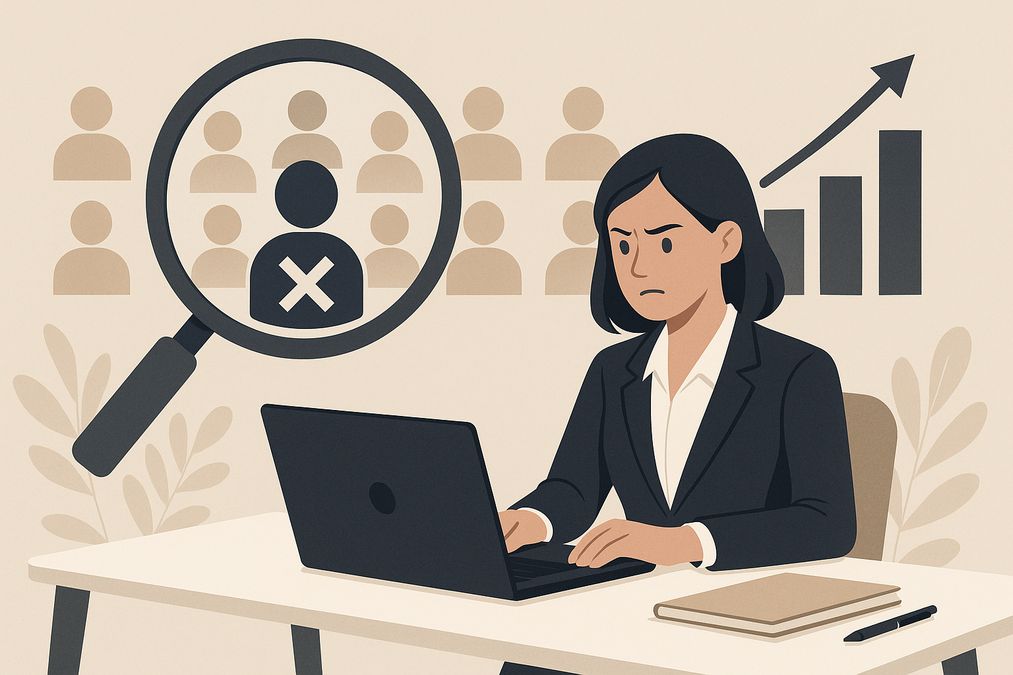
Launching or growing a startup or small business in Toronto is an exhilarating journey. As a new entrepreneur, you might hear over and over again that the first 100 customers are the most important milestone. But what if your first 100 customers aren’t quite the benchmark of future success you hoped for? In 2026, the importance of wrong first 100 customers in business is a topic every Toronto founder, small business owner, and startup team should understand to avoid costly mistakes and grow more confidently.
Introduction: The Myth of the ‘Perfect’ First 100 Customers
It’s common advice: Get your first 100 customers and you’ll have product-market fit. The reality is often more complicated, especially in a diverse, fast-shifting market like Toronto. Sometimes, these first customers may not truly represent the future of your business. Their feedback, behaviors, and needs can lead you astray unless you know what they really signify and how to interpret them.
Why Do Entrepreneurs Obsess Over the First 100 Customers?
- Milestone Achievement: It provides a tangible sense of early traction and initial validation.
- Learning Opportunity: Early users can reveal unforeseen product issues or business gaps.
- Investor Appeal: Early customer growth is often a prerequisite for venture capital or bank financing.
But what makes the importance of wrong first 100 customers in business so crucial? And why do so many budding entrepreneurs later realize these initial users weren’t the foundation they expected?
Understanding the Importance of Wrong First 100 Customers in Business
Your first adopters may be risk-tolerant, innovation-seeking, or simply personal acquaintances eager to support you. While their feedback is invaluable, their needs might differ greatly from the wider Toronto market you plan to serve. Here’s why misreading this group can cause problems later:
- Biased Feedback: Early customers may say what you want to hear or offer feedback based on limited experience.
- Unrepresentative Demographics: If they’re mostly friends or tech-savvy early adopters, their preferences might not match your growth segment.
- Poor Product-Market Fit Signals: Basing product, marketing, and operational decisions on outlier feedback can be dangerous.
- False Validation: You might think you’ve found your audience, but the real market is waiting beyond your immediate circle.
- Resource Drain: Serving too many one-off demands leads to feature bloat, distraction, and lost focus for Toronto startups.
Toronto’s Unique Market and Customer Diversity
Toronto is a vibrant hub for innovation. Its diversity means your first 100 customers could range from downtown tech founders to suburban small retailers—each with unique expectations. Recognizing when these customers are ‘wrong’ for your long-term strategy is part of mastering business growth in Canada’s most dynamic city.
How Wrong First 100 Customers Can Hinder Your Startup’s Growth
Let’s look at a few ways this early group can lead entrepreneurs astray:
- Mismatched Customer Segments: You build features for a niche that isn’t mainstream, locking yourself out of larger markets.
- Distorted Marketing Tests: What works for friends and family might not scale, wasting dollars when you expand.
- Misguided Product Development: Over-customization triggers complexity, higher costs, and operational headaches as you grow.
Real Toronto Startup Examples
Several Toronto-based startups have learned the hard way that initial enthusiasm doesn’t always translate to lasting product-market fit. Sometimes, after the first 100 customers, true market demand only becomes clear with further customer discovery, market research, and even significant pivots.
Warning Signs: Are Your First 100 Customers Wrong?
Use these questions to assess the validity of your early customer base:
- Are most of your early adopters from your personal contacts?
- Do they pay full price, or is buying motivated by relationships?
- Are their use cases aligned with your product’s long-term vision?
- Does their feedback reflect broader market needs in Toronto?
- Do they churn or disengage after the initial purchase?
If your answers raise doubts, you may need to widen your focus and rethink how you validate your business ideas and offerings.
Turning Mistakes Into Business Growth Opportunities in 2026
Mistakes with your first cohort aren’t the end—they’re a start. Successful Toronto small businesses leverage this learning phase to fine-tune their approach. Explore more about how Toronto startups can avoid mistakes and grow smarter in 2026.
How to Pivot from the Wrong First 100 Customers
- Analyze Data Thoroughly: Break down usage, retention, and satisfaction metrics for patterns or anomalies.
- Re-Segment the Market: Based on findings, define your real target customer profile in Toronto’s diverse landscape.
- Validate Assumptions: Run small pilot campaigns, try new product versions, and seek completely new audiences.
- Iterate and Adjust: Use every insight from early mistakes to adjust product features, pricing, and marketing messaging.
- Prioritize and Focus: Say no to features or requests that don’t fit your revised long-term plan.
Tips for Building the Right Early Customer Base in Toronto
Want to get your customer foundation right from the start? Here’s what successful Toronto entrepreneurs are doing in 2026:
- Invest in Local Groups: Join Toronto business networking events, chambers of commerce, and community hubs for broader outreach.
- Leverage Digital & Social: Target digital platforms frequented by your ideal customer profiles. Don’t just rely on friends/family.
- Collaborate with Ecosystem Players: Partner with organizations like ABC of Business for workshops, training, and real-world customer insights.
- Design Surveys and Focus Groups: Gather feedback intentionally across various Toronto demographics and market segments.
- Test Different Acquisition Channels: Experiment with paid ads, SEO, content marketing, referral partners, and more.
How to Use Early Customer Feedback Without Getting Stuck
Customer feedback can be your biggest asset—or your biggest trap. Here’s how to best use it:
- Separate feedback into core needs vs. edge cases.
- Only pursue feature requests that repeatedly surface from different user types or market segments.
- Document lessons learned for future planning and business pitches.
- Regularly update your ideal Toronto customer persona based on real-world behavior, not just anecdotes.
If you’re crafting or refining your strategy, see our comprehensive guide on business plans for Toronto startups for actionable steps.
Practical Tools and Services for Toronto Entrepreneurs in 2026
Building a thriving Toronto startup or small business requires more than instinct—it takes the right support system. Here’s what leading founders are using:
- ABC of Business – Training programs, business workshops, and mentorship for entrepreneurs in Toronto, helping you avoid early customer mistakes and grow smarter.
- Startup Toronto – A vibrant community offering networking events, incubation resources, and expert advice.
- MaRS Discovery District – World-class innovation hub for access to advisors, workspaces, funding, and research networks.
- Toronto Board of Trade – Programs to connect with other small businesses and access municipal resources.
- Digital Main Street – Digital marketing training, tech grants, and business solutions for Toronto’s small enterprises.
- Canada Business App – Government guidance on regulatory requirements, tax info, and local grants.
Many Toronto founders start with ABC of Business to access foundational learning, expert coaching, and actionable toolkits designed specifically for avoiding the wrong early customer trap.
Learning from Toronto Startup Stories
Seasoned founders know there’s no shortcut to true product-market fit. For an in-depth analysis and insights from local leaders, explore our featured post Why First 100 Customers Might Be Wrong: Toronto Startup Insights 2026.
Checklist: Are You Ready for the Next 100 Customers?
- Have you identified which customers are truly your target market?
- Is your product/service solving the right problem for the majority of Toronto’s market?
- Are you collecting and integrating diverse feedback from across customer segments?
- Do you have a clear, actionable plan rooted in real market needs, not just early adopters?
- Are your marketing and sales channels reaching beyond your initial circle?
Conclusion: Embracing Mistakes as Fuel for Growth
The importance of wrong first 100 customers in business reminds Toronto entrepreneurs that business success rarely follows a straight line. Learning from early missteps is not only normal—it’s foundational to long-term growth, innovation, and resilience. The Toronto business scene in 2026 celebrates founders who transform early lessons into smarter strategies and stronger businesses.
Ready to take your next step and avoid the most common pitfalls? Contact ABC of Business for expert support, training, and workshops specifically designed for Toronto startups and small businesses. Visit https://abcofbusiness.com/contact/ to start your business transformation journey today.