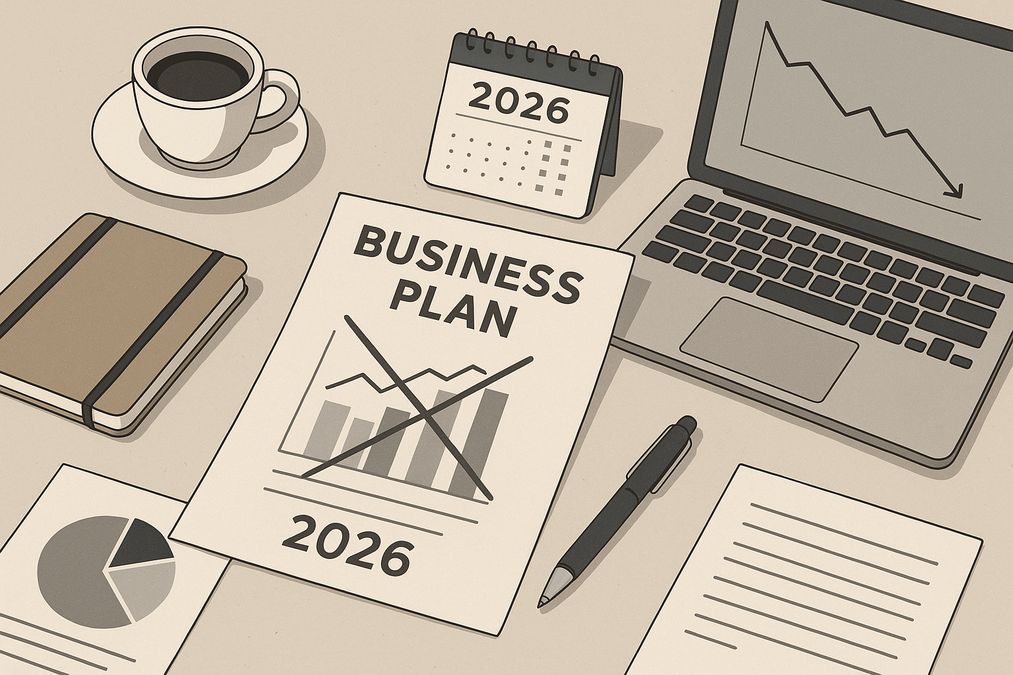
Are you thinking about starting a new company or growing your small business in Toronto? Chances are, you’ve heard that you need a solid business plan. For decades, the traditional business plan has been a cornerstone for entrepreneurs. But if you’re wondering why traditional business plans no longer work in 2026, you’re not alone. The world has changed, and so have the rules for success. In this comprehensive guide, we’ll explore why the classic approach is outdated and what you should do instead to thrive in Toronto’s unique entrepreneurial ecosystem.
Understanding Why Traditional Business Plans No Longer Work in 2026
Before launching your new business or scaling your startup, it’s important to understand the changing landscape. Let’s unravel why the old model of lengthy, rigid business plans doesn’t fit today’s realities and what savvy Toronto entrepreneurs are doing differently.
What Was a Traditional Business Plan?
Traditional business plans, used for decades, typically followed a strict template. They included:
- Executive summary
- Company description
- Products or services
- Market analysis
- Organization and management structure
- Marketing and sales strategies
- Financial projections
- Appendices and supporting documents
Often running 30+ pages, these documents aimed to lay out every possible detail before a business even began. Lenders and investors required them, and entrepreneurs spent months compiling data and making estimates.
Toronto in 2026: A Fast-Moving Marketplace
Toronto’s business scene in 2026 is faster, more digital, and more competitive than ever. Consider these major shifts:
- Rapid Market Changes: Customer preferences, technology, and regulations are evolving constantly.
- Global Competition: Startups compete with companies from all over the world—thanks to remote work and digital commerce.
- Access to Data: Real-time analytics allow businesses to adjust plans on the fly.
- Shorter Attention Spans: Investors and partners want concise, actionable information—not lengthy documents.
Because of these changes, Toronto entrepreneurs need more flexible, living strategies, not static plans that collect dust in a drawer.
Top Reasons Why Traditional Business Plans No Longer Work in 2026
1. The Pace of Change Has Accelerated
Imagine spending five months writing a comprehensive 40-page business plan—only to have your market data become outdated by the time you print it. In 2026, industries in Toronto can pivot in weeks, not years. Traditional plans can’t keep up with this rapid evolution.
2. One-Size-Fits-All Doesn’t Work Anymore
Every Toronto business is unique. Cookie-cutter plans developed decades ago don’t cater to today’s diverse and often digital-first ventures. Restaurants, SaaS startups, delivery services, and consulting firms have vastly different needs.
3. Investors Want Action, Not Paperwork
Modern investors—especially those active in Toronto—value progress, traction, and adaptability. They want to see prototypes, customer feedback, real sales, and your ability to pivot. A 40-page plan full of guesses is far less persuasive than evidence of real-world execution.
4. Lean Approaches Win
Methods like Lean Startup and the Business Model Canvas empower entrepreneurs to test ideas, iterate, and scale quickly. They focus on experimentation, learning from customers, and making data-driven changes—all things traditional plans don’t accommodate.
5. Collaboration & Feedback Over Isolation
Building a business is now a community effort. Toronto’s startup community thrives thanks to open feedback, workshops, and mentorships—not solo preparation of thick documents. Collaboration inspires innovation and ensures your plan reflects reality, not just theory.
6. Regulations and Market Conditions Change Frequently
Toronto’s business regulations, from tax codes to zoning laws, change regularly. Traditional plans risk becoming obsolete before implementation, while modern approaches adapt as laws and markets shift.
Better Alternatives: What Successful Entrepreneurs Use in 2026
Now that you know why traditional business plans no longer work in 2026, let’s dive into what works instead. Toronto’s entrepreneurs are embracing newer, more effective frameworks to create and grow businesses. Here are some of the most popular approaches:
The Business Model Canvas
The Business Model Canvas is a concise, visual framework that lets you map your business model on a single page. It helps clarify your:
- Key partners
- Key activities
- Key resources
- Value propositions
- Customer relationships
- Channels
- Customer segments
- Cost structures
- Revenue streams
You’ll find better results by learning how to create a business plan for small business in Canada using flexible frameworks rather than sticking to tradition. This lean, collaborative process lets you identify and fix weaknesses early.
Lean Startup Techniques
Instead of assuming you know what will work, Lean Startup principles help you:
- Build quick prototypes (Minimum Viable Products or MVPs)
- Gather feedback from real customers
- Pivot (change direction) based on learnings
- Repeat until you find a proven, scalable formula
This rapid experimentation saves time, reduces risk, and drives faster growth for Toronto startups.
Rolling, Adaptive Planning
Top Toronto entrepreneurs now create “living” plans. These are short, flexible, and regularly updated based on:
- Market feedback
- Team input
- New customer insights
- Changes in funding or regulations
Critical Elements Toronto Businesses Should Include in Modern Planning
If the old way doesn’t work, which elements are still essential? Successful planning in 2026 means being concise, clear, and ready to change. Here’s what you should focus on:
- Clear Customer Problem: Who is your customer and what problem do you solve for them?
- Unique Value Proposition: Why should people choose you over the competition?
- Simple Financial Roadmap: What are your main revenue sources and core costs?
- Action Plan: What are your next 3–6 months’ priorities and objectives?
- Feedback & Adjustment Loop: How will you gather feedback to keep your plan relevant as you grow?
This dynamic approach satisfies both your operational needs and investor expectations.
Actionable Steps: How to Succeed in Toronto Without a Traditional Plan
Ready to launch or scale up? Follow these practical steps to succeed without relying on an outmoded business plan:
1. Start Small, Test, and Learn
Begin with a simple version of your product or service. Toronto’s consumers are open to innovation and love supporting local startups—so get your offer out quickly and ask for feedback.
2. Map Out Your Business on One Page
Use the Business Model Canvas as your living document. Review it regularly and update parts that aren’t working or as new opportunities arise.
3. Prioritize Getting Real Data
Data from early sales, customer interviews, and pilot launches is worth more than assumptions. This evidence-driven approach helps you win investor support and fine-tune your business model.
4. Build a Supportive Advisory Network
Don’t go it alone. Tap into Toronto’s wealth of resources. For example, ABC of Business offers invaluable training, workshops, and expert advice for startups and growing companies. Joining such programs can accelerate your learning and business growth.
5. Stay Adaptive and Ready to Change Strategy
The best Toronto entrepreneurs revisit their plans monthly, not yearly, ensuring their approach aligns with a fast-changing marketplace.
Common Mistakes: What to Avoid with Your New Business Plan in 2026
- Overplanning: Spending months perfecting a document rather than talking to real customers.
- Ignoring Technology: Failing to leverage Toronto’s robust digital tools and online market insights.
- Neglecting Legal Changes: Not keeping up-to-date with local laws and regulations that affect your business; always review resources and consult experts for compliance.
- Undervaluing the Community: Toronto is a collaborative city–network, seek feedback, and join workshops (like those from ABC of Business) to stay ahead.
- Missing Tax or Expense Opportunities: As a small business or sole proprietor, don’t overlook expense claims and deductions. For more details, check out how to master self-employed business expense claims in Toronto in 2026 for practical tips.
Resources for Toronto Entrepreneurs and Small Businesses
Toronto offers a wealth of resources to help your entrepreneurial journey. Here are some options to consider:
- ABC of Business: Comprehensive support with workshops, online courses, mentorship, and essential information for creating, launching, and growing your business.
- Toronto Small Business Centres: Local government hubs where you can get free advice, training, and connections.
- Startup Accelerators & Incubators: Organizations that help you scale with mentorship, funding, training, and access to a vibrant network.
- Online Communities: Join Toronto-centric forums and groups where you can share your journey, get feedback, and stay up-to-date with industry trends.
- Guides and Information: Take advantage of step-by-step guides such as how to start a small business in Toronto in 2026 for practical tips and local insights.
How to Take the First Step in Your Business Journey
- Identify a Real Problem: Talk to potential customers in Toronto to discover gaps and unmet needs.
- Create a Lean Version of Your Business: Focus on your core offering and launch quickly.
- Seek Community and Professional Support: Leverage organizations like ABC of Business and others mentioned above.
- Commit to Lifelong Learning: The most successful entrepreneurs continually educate themselves—through workshops, networking, and staying on top of industry shifts.
- Review and Revise: Keep your plans flexible and ready to adapt as you learn more about your customers and market.
Conclusion: The Future of Business Planning in Toronto
As we move further into 2026, it’s clear why traditional business plans no longer work. Toronto’s entrepreneurs and small businesses need speed, flexibility, and a willingness to change direction quickly. Focus on customer needs, real data, and building strong networks.
Ready to create your modern, adaptive business plan and thrive in Toronto’s dynamic economy? Contact ABC of Business today for expert support, actionable resources, and a community dedicated to your success.