Are you a Toronto entrepreneur looking to stand out in 2026? Understanding personal and team strengths is a crucial part of business growth. An often-overlooked factor influencing entrepreneurial success is the presence of dyslexia. While it may seem counterintuitive, research has uncovered a clear statistical link between dyslexia and entrepreneurship, showing that many innovative business leaders think differently—and leverage these differences for success. This article dives into this connection, explains why it matters for Toronto startups and small businesses, and provides actionable strategies to harness your unique strengths for business growth.
Understanding the Statistical Link Between Dyslexia and Entrepreneurship
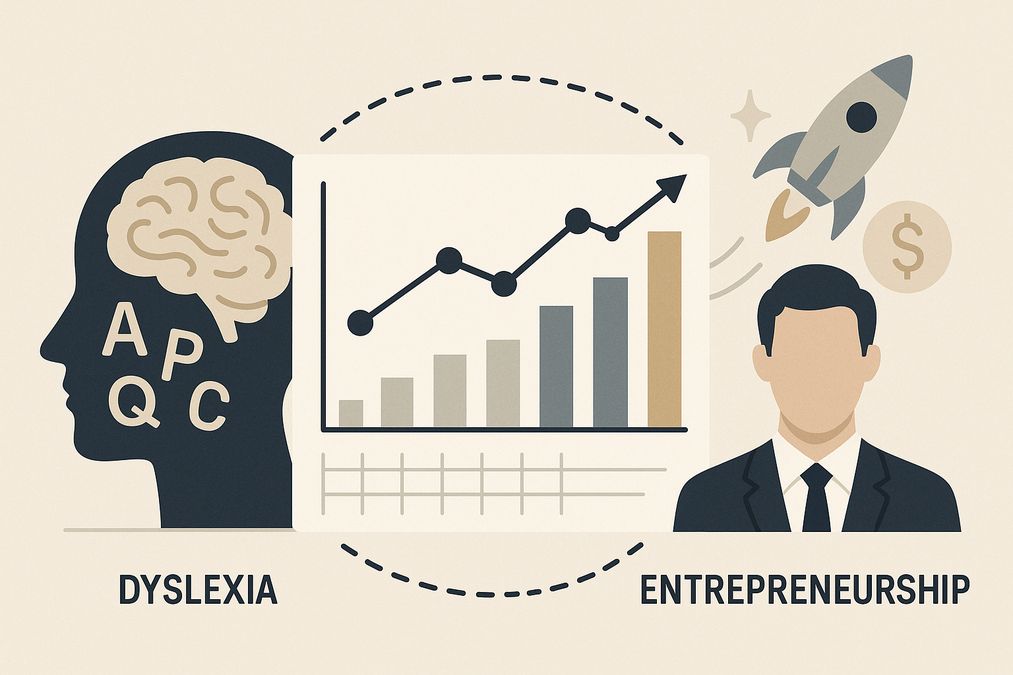
Recent studies in North America and the UK reveal that people with dyslexia are significantly more likely to become entrepreneurs. In fact, some research suggests that up to 35% of entrepreneurs have dyslexia, compared to about 10% in the general population. But what is driving this connection—and how can it inform your approach to business in Toronto?
What Is Dyslexia?
Dyslexia is a specific learning difference affecting how individuals process language, particularly reading, spelling, and writing. However, it does not impact intelligence or creativity. Many people with dyslexia develop strong problem-solving, communication, and strategic thinking skills as they find ways to adapt to their challenges.
Entrepreneurial Strengths Linked to Dyslexia
- Resilience: Overcoming everyday obstacles helps entrepreneurs with dyslexia become especially persistent.
- Problem-solving: Dyslexia often encourages creative approaches and out-of-the-box thinking.
- Big-picture vision: Many with dyslexia excel at seeing connections others miss and spotting new business opportunities.
- Delegation: Recognizing personal challenges often leads to building diverse, well-rounded teams.
- Communication: Storytelling and verbal communication can become key assets in pitching and networking.
Toronto’s Entrepreneurial Ecosystem: Why This Matters in 2026
Toronto is renowned for its diverse, cutting-edge business community. As the city continues to grow, knowing how to unlock the hidden strengths within your team—or yourself—gives your startup a unique edge. Understanding the statistical link between dyslexia and entrepreneurship can help you build a more innovative company, attract diverse co-founders, and align your business model with your greatest assets.
Key Opportunities for Toronto-Based Entrepreneurs in 2026
- Access to Funding: New grants and support programs (like those covered in the 2026 Grant and Funding Guide for Toronto Businesses) allow entrepreneurs—including those with learning differences—to grow quickly.
- Mentorship Networks: Toronto offers thriving peer groups, industry-specific coaching, and platforms like ABC of Business, which caters specifically to new entrepreneurs and startups.
- Educational Resources: From workshops to webinars, local organizations help you turn neurodiversity into business superpowers.
- Supportive Policies: The city actively encourages diversity, both in terms of backgrounds and ways of thinking.
The Science Behind the Dyslexia–Entrepreneurship Connection
Let’s look at why there’s a quantifiable, statistical link between dyslexia and entrepreneurship:
Cognitive Differences Fuel Innovation
Harvard, Yale, and University College London studies all demonstrate that individuals with dyslexia frequently excel in:
- Pattern recognition
- Spatial reasoning
- Creative problem solving
- Holistic, strategic thinking
These strengths align perfectly with what it takes to launch and scale a new business in a fast-paced city like Toronto.
Flexibility and Adaptability as Core Skills
Navigating educational and workplace challenges often makes dyslexic entrepreneurs more adaptable to change, and more confident taking calculated risks—both essential traits for successful founders in 2026.
Building Stronger Teams
Because dyslexic entrepreneurs are aware of their own limitations, they often complement their skills by building multifaceted teams and outsourcing what isn’t their forte. In practice, this means:
- Surrounding themselves with diverse thinkers
- Investing in systems and tools that streamline operations
- Focusing energy on the big picture rather than small details
Fostering Inclusive Entrepreneurship in Toronto
In 2026, Toronto’s business community has evolved to value all types of diversity—including cognitive diversity—more than ever before. This climate is perfect for entrepreneurs who think differently to thrive, and for all startups to benefit from new perspectives.
Actionable Strategies to Foster Inclusion
- Leverage local resources: Join business clubs, networking groups, and workshops that highlight neurodiversity in entrepreneurship, such as those offered by ABC of Business.
- Pursue accessible funding: Many programs now offer grants or mentorship specifically for entrepreneurs with learning differences. Check the latest updates for Toronto in 2026 to find these opportunities.
- Invest in adaptive technologies: Use speech-to-text software, mind mapping tools, or workflow automation platforms that play to the strengths of all team members.
- Encourage open dialogue: Build a company culture where differences are celebrated and each team member can share their preferred communication and work styles.
Practical Tips for Aspiring Entrepreneurs with Dyslexia
If you or someone you know is considering launching a Toronto-based business in 2026 and lives with dyslexia, here are actionable steps to maximize your potential:
Capitalize on Strengths
- Play up strong verbal communication and storytelling skills in pitches and sales.
- Focus on vision, innovation, and leadership rather than minute details.
- Use visual planning tools, whiteboards, and color-coded calendars to track goals and progress.
Outsource or Automate Where Needed
- Delegate tasks such as bookkeeping, data entry, or written reports to professionals or virtual assistants.
- Adopt cloud-based project management and AI-driven accounting tools to reduce administrative workloads.
Build a Support System
- Partner with complementary teammates who excel in areas you find challenging.
- Tap into local networks, like ABC of Business, for mentorship, workshops, and practical training specifically designed for startups and small businesses.
Overcoming Challenges: Real Stories from Toronto Entrepreneurs
The journey from startup to success is rarely smooth—but for dyslexic business owners, overcoming obstacles often leads to greater resilience and more innovative solutions. Here are a few ways Toronto entrepreneurs are leveraging their unique thinking styles in 2026:
- A software startup founder embraces mind-mapping to chart user journeys, leading to more intuitive app designs.
- A retail entrepreneur delegates day-to-day operations and focuses on brand vision, resulting in rapid growth.
- An e-commerce leader leverages oral storytelling to train sales teams—boosting morale and customer retention.
Essential Services and Tools for Toronto Entrepreneurs
Whether you’re just launching or scaling up, Toronto offers a wealth of services to help entrepreneurs succeed—especially if you’re leveraging neurodiverse strengths. Some must-have resources include:
- ABC of Business: Comprehensive training, workshops, and information tailored for new entrepreneurs and startups to build, grow, and compete in 2026.
- Industry-specific incubators: Programs focusing on tech, retail, food, and more, many of which accommodate diverse learning styles.
- Collaborative workspaces: Inclusive environments that encourage teamwork and creativity.
- Mentorship programs: Guidance from experienced founders, including those with dyslexia who can offer firsthand strategies.
- Accessible software tools: From scheduling apps to AI content generators, automation reduces friction and maximizes productivity.
Unlocking Grants and Funding in 2026
Smart financial planning is a game-changer for aspiring business owners with learning differences. Toronto’s funding landscape has never been more dynamic. Discover a wide range of grants, loans, and pitch competitions in the Grants and Fund Support for Businesses in Toronto: 2026 Guide. These resources make it easier to launch and grow your startup, no matter your background or skill set.
Managing Finances: Tax Deductions and Smart Planning
For entrepreneurs, especially those who want to avoid detail-heavy financial management, Toronto offers numerous tax breaks and streamlined services. Learn which deductions you’re eligible for—with a special focus on startup and neurodiversity-friendly incentives—in the detailed guide Essential Tax Deductions for Startups in Toronto 2026. Don’t let complex figures hold your business back—proactive planning empowers you to focus on what you do best.
Best Practices: Building Your Toronto Startup for 2026
1. Embrace Your Unique Perspective
Your differences aren’t just something to overcome—they’re a superpower in a crowded market. Use your big-picture vision and out-of-the-box thinking to identify and create new opportunities.
2. Assemble a Complementary Team
Diversity of thought is a proven driver of business success. Bring on team members who complement your skills and cover the areas where you might need support.
3. Use Technology to Your Advantage
Automate routine tasks and streamline communications to allow your team’s strengths to shine. Tools like collaborative platforms, speech-recognition software, and smart project managers are essential.
4. Seek Ongoing Education and Support
Never stop learning. Attend workshops—such as those offered by ABC of Business—and join peer networks to keep up with best practices and market trends through 2026.
5. Take Calculated Risks
Don’t shy away from bold moves—many dyslexic entrepreneurs cite risk-taking (informed by keen pattern recognition) as a key to innovation and leadership.
Success Stories: Impact of Diversity in the Toronto Startup Scene
2026 is set to be a year of breakthrough stories in Toronto’s entrepreneurial ecosystem. More than ever, companies are thriving by intentionally building teams that reflect a range of experiences and ways of thinking. Leaders with dyslexia and other learning differences are front and center:
- Launching technology platforms accessible to all users
- Pioneering new education models in the business world
- Developing inclusive hiring practices that recognize cognitive diversity as a business asset
As Toronto’s reputation as a global hub for inclusive innovation grows, more resources will become available to founder teams who embrace diversity—including cognitive differences as part of their competitive advantage.
Resources for Further Learning
- ABC of Business: Workshops, mentorship, and hands-on support for startups and small business owners.
- Essential Toronto Business Tips for Entrepreneurs in 2026: A comprehensive guide for navigating Toronto’s business landscape.
- Accessible entrepreneurship books, local university courses, and online seminars specifically on leveraging neurodiversity.
Conclusion: Turning Differences into Strengths
The statistical link between dyslexia and entrepreneurship is more than just a fascinating fact—it’s a roadmap to greater business diversity, innovation, and resilience. In Toronto’s ever-evolving economy, founders and teams who embrace neurodiversity are positioned to lead the way in 2026 and beyond.
Want to unlock your strengths, find funding, and gain a competitive edge? Contact ABC of Business for tailored training, workshops, and support—and power your Toronto startup to new heights in 2026 and beyond.