
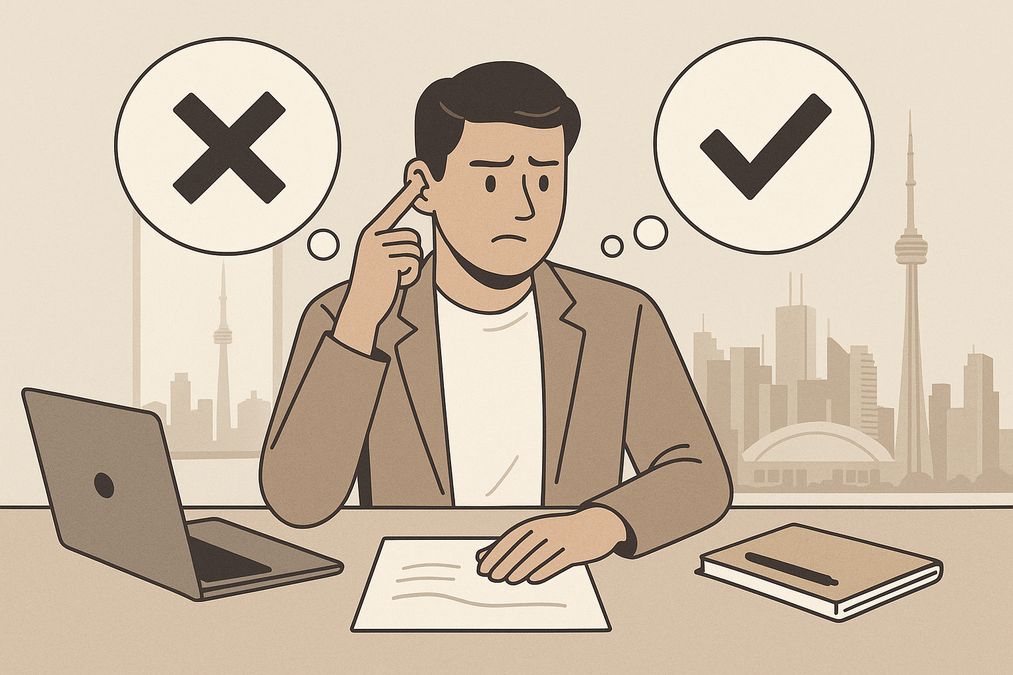
Toronto’s thriving entrepreneurial environment offers endless opportunities for new and existing startups. Yet, even in this vibrant city, launching and growing a successful business comes with its unique challenges. As we move into 2026, understanding and avoiding the typical decision errors for Toronto startup founders in 2026 can mean the difference between fast growth and early failure. This comprehensive guide explores the common pitfalls Toronto founders face and provides actionable strategies, local insights, and tools to help you build a solid foundation for a thriving business.
Why Understanding Decision Errors Matters for Toronto Startups
Every founder dreams of building a successful business. However, many startups falter early—not because of a lack of good ideas, but due to avoidable mistakes and missteps in decision-making. Knowing the most common typical decision errors for Toronto startup founders in 2026 empowers you to:
- Avoid costly and time-consuming setbacks
- Make data-driven, confident choices
- Build a resilient and adaptive company culture
- Navigate Toronto’s competitive business landscape
1. Underestimating Startup Costs and Financial Planning
One of the most frequent decision errors is underestimating the true cost of starting and running a business in Toronto. From commercial rent and employee wages to technology investments and permits, expenses can quickly spiral out of control. Many founders focus only on basic costs, overlooking critical but less obvious expenses.
For an in-depth look at what it takes to financially launch a business here, check out the detailed cost analysis in this guide to startup costs in Toronto for 2026.
Proven Tips to Get Financial Planning Right
- Build a detailed, month-by-month cash flow projection for your first year
- Be realistic—consult with local experts and advisors to estimate true costs
- Set aside extra funds (at least 15% above estimated costs) for unexpected expenses
- Use online tools like Excel or Google Sheets—or partner with platforms like ABC of Business—to model different financial scenarios
- Revisit and adjust your financial plan at least every quarter
2. Failing to Validate the Business Idea with Toronto Customers
Many Toronto founders fall in love with their ideas and skip or rush market validation. If you build a product or service before truly understanding if there’s demand—especially within Toronto’s diverse demographic—you risk wasting time and money.
How to Avoid This Error
- Conduct surveys, interviews, or focus groups targeting your ideal Toronto customer
- Launch a simple test product or landing page to gauge interest before full development
- Analyze competitors operating in Toronto to benchmark pricing and customer needs
- Leverage resources from organizations such as ABC of Business which offer workshops and actionable insights to help validate your business idea
3. Ignoring the Regulatory and Legal Environment in Toronto
Toronto’s regulatory landscape changes frequently. Many founders underestimate licensing, zoning, tax, and employment regulations, leading to costly penalties or stalled operations.
Key Legal & Regulatory Decision Areas
- Business structure: sole proprietorship, partnership, corporation, etc.
- Business name registration and trademark protection
- Local permits and zoning laws for your business location
- Employer obligations, including payroll taxes and benefits
- Privacy and digital compliance with Canadian and Ontario regulations
ABC of Business regularly hosts legal compliance workshops to get you set up correctly from day one.
4. Neglecting Cash Flow and Mismanaging Burn Rate
Poor cash flow management is a notorious startup killer. Many founders focus on raising capital but don’t track monthly income, expenses, and burn rate—which quickly leads to insolvency. This is particularly risky in Toronto’s expensive urban ecosystem.
How to Keep Cash Flow Healthy
- Use real-time tracking tools (QuickBooks, FreshBooks, or locally developed apps)
- Set aside emergency reserves for at least 3-6 months of operating expenses
- Negotiate flexible payment terms with suppliers and clients where possible
- Implement strict invoicing and collections processes
- Collaborate with ecosystem players like ABC of Business for financial management training
5. Overlooking the Importance of Team Dynamics
Building the right team is as critical in Toronto as anywhere else. Startups often overlook culture fit, shared values, or necessary soft skills, leading to conflict or quick turnover.
Solutions for Building a Winning Team
- Define clear roles, responsibilities, and decision-making authority
- Prioritize cultural fit and shared vision in the hiring process
- Invest early in leadership and teamwork workshops (ABC of Business runs regular sessions)
- Use structured onboarding programs to align new hires
- Regularly review team performance and address issues immediately
6. Rushing to Launch Without a Minimum Viable Product (MVP)
One classic error is launching ‘big’ too quickly in an attempt to stand out in Toronto’s bustling market—resulting in wasted resources. Instead, focus on delivering an MVP to test assumptions, get feedback, and iterate quickly.
MVP Essentials for Success
- Identify your product’s core value proposition
- Build only what’s needed for first customer use
- Collect user feedback early and often
- Incorporate rapid prototyping and agile development as standard practice
- Check out advice from founders who have succeeded with low-risk business models in this article on low-risk startups in Toronto
7. Neglecting Ongoing Learning and Network Building
No founder is an island. Relying solely on your own experience—or neglecting to connect with Toronto’s thriving entrepreneurial ecosystem—can stifle innovation and growth.
How to Stay Ahead
- Attend local meetups, panels, and business events
- Follow the latest business trends (from AI and automation to sustainability) as they relate to Toronto
- Join organizations like ABC of Business for networking, training, and mentorship
- Seek out business accelerators and incubators specific to your industry
8. Not Learning from Common Early-Stage Startup Mistakes
Every year, new founders repeat avoidable errors made by those before them. Learning from these mistakes can save you months or even years of setbacks. For more examples and how to navigate them, explore the lessons in this post highlighting critical early-stage startup mistakes in Toronto.
Essential Tools and Services for Avoiding Typical Decision Errors
Navigating the startup journey smoothly in 2026 requires the right support. Here are some vital resources Toronto founders should consider integrating into their business playbook:
- Accounting Tools: QuickBooks, FreshBooks, or Wave for local small business finances
- Legal Services: Toronto-based law firms offering business incorporation and IP protection
- Market Research Platforms: SurveyMonkey, Google Forms for customer insights
- Networking & Training: ABC of Business for comprehensive workshops, mentorship programs, and practical business guides
- Communication Tools: Slack, Microsoft Teams for internal team collaboration
- Productivity Apps: Trello, Asana for project management and task coordination
Real-Life Example: Decision Errors in Toronto’s Startup Scene
Consider the case of a Toronto-based food tech startup launched in 2024. The founders neglected to secure necessary food safety permits before marketing their product, assuming compliance was a minor detail. As a result, they faced six months of delays and significant legal fees, ultimately losing market momentum to a faster-moving competitor. By contrast, another local startup spent extra time validating demand with targeted surveys and launched an MVP in just three months—gathering valuable feedback and building a loyal early customer base.
These stories reinforce the importance of careful planning, market validation, and compliance for Toronto entrepreneurs in 2026.
Action Steps: How Toronto Founders Can Avoid Typical Decision Errors in 2026
- Educate Yourself: Regularly review the latest Toronto business laws and startup best practices.
- Validate All Assumptions: Test your business model, pricing, and product-market fit before scaling up.
- Plan for the Unexpected: Build flexible strategies that allow for market shifts or regulatory changes.
- Engage Partners: Tap into local networks, mentors, and organizations like ABC of Business for expertise and connections.
- Reflect and Adapt: After each milestone, assess what went well and what should change, then adjust swiftly.
Conclusion: Set Yourself Up for Startup Success in 2026
Toronto is a city that rewards bold, well-informed entrepreneurs. By actively avoiding the typical decision errors for Toronto startup founders in 2026, you dramatically increase your odds of sustainable success. Stay curious, plan thoroughly, and nurture your network—your next big opportunity could be just around the corner.
For personalized guidance, exclusive workshops, and the latest business resources, contact ABC of Business today at https://abcofbusiness.com/contact/ and take your Toronto business journey to new heights.